New Jersey Nears Full School Cellphone Ban Amid Mental Health and Safety Concerns
Bipartisan support grows as outgoing Governor Phil Murphy pushes to finalize statewide restrictions on student phone use.
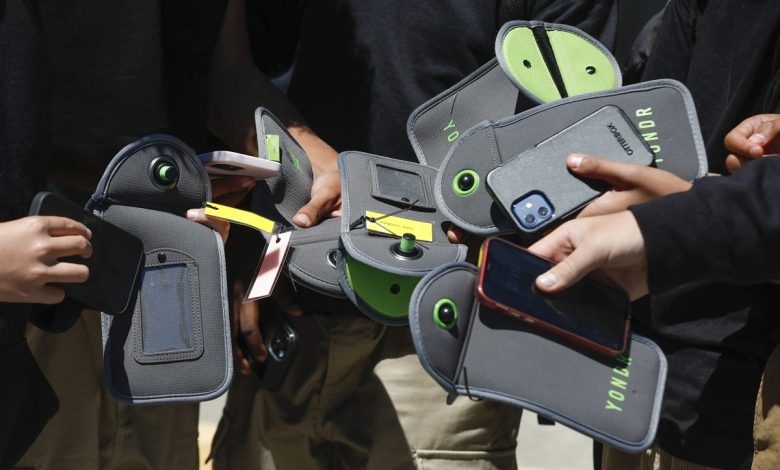
New Jersey is moving closer to implementing a sweeping ban on student cellphone use in public schools, a step that could make it the twenty-first state to adopt such a comprehensive policy. The legislation, which enjoys bipartisan support, has gained significant attention during the current “lame-duck” legislative session, offering outgoing Governor Phil Murphy a final opportunity to secure this major education reform before his term ends in January.
Supporters of the bill emphasize its potential to enhance student learning, improve mental well-being, and even strengthen safety during school emergencies.
The proposed bill passed the State Senate unanimously in January but encountered delays in the Assembly earlier this year, despite approval by the Education Committee. Lawmakers have now revived discussions, eager to finalize the legislation before Governor-elect Mikie Sherrill is sworn in and the new session begins.
Assemblymember Cody Miller, a key sponsor of the bill, expressed strong optimism, noting that he hopes the bill will be enacted before the new administration takes office and highlighting its broad bipartisan backing.
The ban is supported by top officials, including Assembly Speaker Craig Coughlin, who has publicly endorsed the bill. Outgoing Governor Murphy has consistently advocated for the initiative, describing an all-day cellphone ban as “among my top priorities, if not the highest” in his final weeks in office. He has repeatedly voiced concerns about the harmful impact of smartphone use on the escalating youth mental-health crisis, urging leaders to act to alleviate these challenges.
If signed into law, New Jersey would join twenty other states that have imposed full restrictions on student access to cellphones during school hours. Another seventeen states have established partial limitations. The proposed New Jersey law includes crucial exemptions for students with disabilities and those with individualized education plans, ensuring essential communication needs are met without undermining the policy’s primary goals. This flexible approach reflects recognition of students’ diverse needs while striving for a unified policy across more than 600 school districts in the state.
Several school districts in New Jersey have already taken proactive steps to curb cellphone use. For example, Woodbury High School now requires students to store their phones in secure lockable pouches throughout the school day—a model of local solutions already in practice. While the statewide legislation would require the Department of Education to establish a comprehensive policy, it also allows districts flexibility in how they implement specific procedures, empowering them to tailor strategies to their unique environments and student populations.
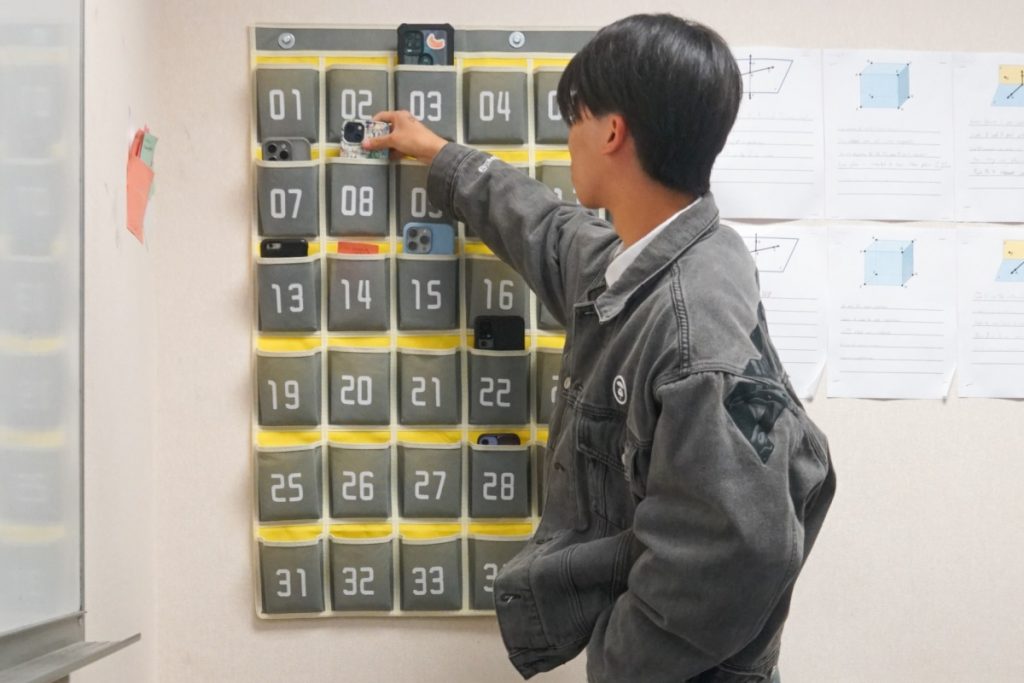
A key part of the debate centers on safety concerns raised by some parents who worry about their children’s ability to communicate during emergencies. Assemblymember Miller addressed these worries directly, noting that most districts are equipped with text-alert systems and have law-enforcement personnel on site. He firmly believes these existing safeguards eliminate concerns about public safety resulting from restricted cellphone access. Drawing on his experience as a volunteer firefighter, Miller also highlighted how widespread student cellphone use during even minor incidents can inadvertently create safety hazards by causing parents to rush to school buildings, obstructing emergency responders.
Timing is critical for this legislative push. The lame-duck session offers lawmakers a focused window to pass bills that may not have reached a vote during regular sessions. For Governor Murphy, these final five weeks represent his last chance to secure key policy achievements. He publicly urged action on the cellphone ban during his final State of the State address in January, linking increased smartphone use directly to rising mental-health challenges among youth.
To support the transition, the state budget signed in July included $3 million in municipal grants to invest in tools such as lockable pouches to help enforce new phone restrictions. Currently, bill sponsors are working with the Governor’s Office on potential amendments before it moves to a final vote—signaling the administration’s determination to leave a lasting impact on New Jersey’s education system.