Trump Expands U.S. Travel Ban to Additional Countries, Including Syria
New Executive Order Imposes Full and Partial Entry Restrictions Citing Security and Vetting Concerns.
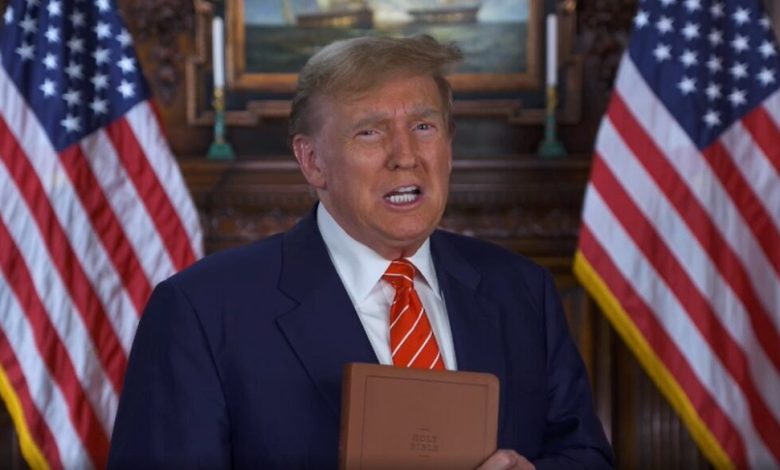
U.S. President Donald Trump on Tuesday expanded the list of countries subject to a full travel ban, barring citizens of seven additional nations—including Syria—from entering the United States.
In a statement, the White House said Trump signed a proclamation that “expands and strengthens entry restrictions on nationals of countries with clear and persistent deficiencies in screening, vetting, and information sharing necessary to protect the nation from national security and public safety threats.”
Countries Under Full Travel Restrictions
According to the statement, full entry restrictions will remain in place for citizens of the following twelve countries: Afghanistan, Myanmar (Burma), Chad, the Republic of the Congo, Equatorial Guinea, Eritrea, Haiti, Iran, Libya, Somalia, Sudan, and Yemen. These restrictions apply to both immigrant and non-immigrant travel.
In addition, full entry bans were imposed on citizens of seven more countries: Burkina Faso, Laos, Mali, Niger, Sierra Leone, South Sudan, and Syria. The proclamation also applies to individuals traveling on passports issued or endorsed by the Palestinian Authority.
According to Reuters, the expanded travel ban will take effect on January 1.
The decision comes despite Trump’s earlier pledge to support Syria’s recovery following historic talks in November with Syrian President Ahmad al-Sharaa. Trump publicly backed al-Sharaa, whose White House visit capped a dramatic year for the former rebel leader who later overthrew long-time ruler Bashar al-Assad.
Since then, al-Sharaa has traveled internationally seeking to present himself as a moderate leader aiming to reunify a war-torn nation and end decades of international isolation.
However, Trump struck a harsher tone over the weekend, vowing a “very strong response” after the U.S. military announced that two American soldiers and a civilian interpreter were killed in Syria in an attack believed to have been carried out by an ISIS-affiliated assailant targeting a joint U.S.–Syrian convoy. Trump described the incident as “horrifying.”
The White House cited high visa overstay rates among Syrian nationals as justification for the ban, stating: “Syria is emerging from a prolonged period of civil unrest and internal conflict. While it is working with the United States to address security challenges, Syria still lacks sufficient centralized authority to issue reliable passports or civil documents and does not maintain adequate screening and vetting procedures.”
Expansion of Partial Travel Restrictions
Trump previously signed a proclamation in June barring entry from 12 countries and restricting travel from seven others, citing the need to protect the U.S. from “foreign terrorists” and other security threats. These measures apply to immigrants and non-immigrants alike, including tourists, students, and business travelers.
The White House confirmed that partial restrictions remain in place for citizens of Burundi, Cuba, Togo, and Venezuela, while existing restrictions on Turkmenistan were modified.
Additionally, partial entry restrictions were imposed on citizens of 15 more countries: Angola, Antigua and Barbuda, Benin, Côte d’Ivoire, Dominica, Gabon, Gambia, Malawi, Mauritania, Nigeria, Senegal, Tanzania, Tonga, Zambia, and Zimbabwe.
Nigeria has drawn particular scrutiny from Trump, who earlier threatened military action over the treatment of Christians in the country.
Tightening Immigration Enforcement
Since returning to office in January, Trump has aggressively pursued stricter immigration enforcement, deploying federal agents to major U.S. cities and rejecting asylum seekers at the U.S.–Mexico border.
The expansion of travel restrictions marks a further escalation following the fatal shooting of two National Guard members in Washington, D.C., last month. Investigators said the suspect was an Afghan national who entered the U.S. in 2021 under a resettlement program that Trump administration officials claimed lacked adequate vetting.
Days after the attack, Trump vowed to “permanently halt immigration” from all “Third World countries,” without specifying which nations or formally defining the term.