Major Changes Affecting Arab and Muslim Americans in 2026
From Growing Political Power to Rising Social Pressures Across the United States.
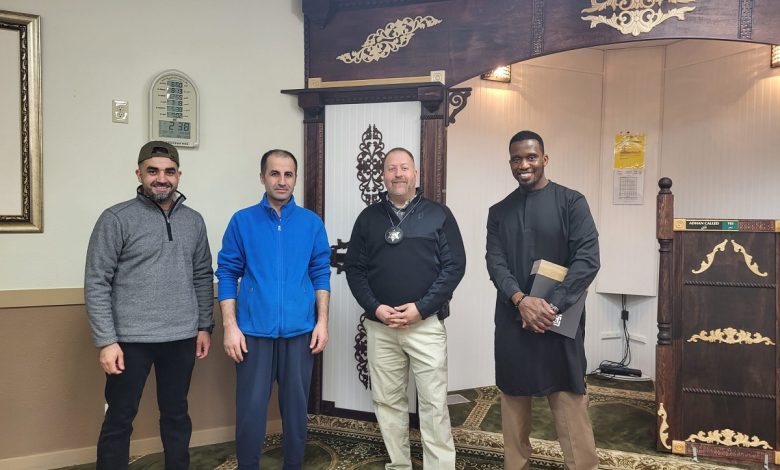
The Arab and Muslim community in the United States is undergoing notable changes in 2026, marked by historic political gains, strong civic engagement, and ongoing challenges tied to discrimination and social perceptions. These dynamics reflect broader shifts in American society and politics.
1. Historic Political Representation
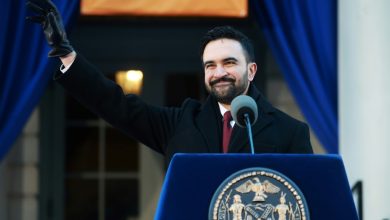
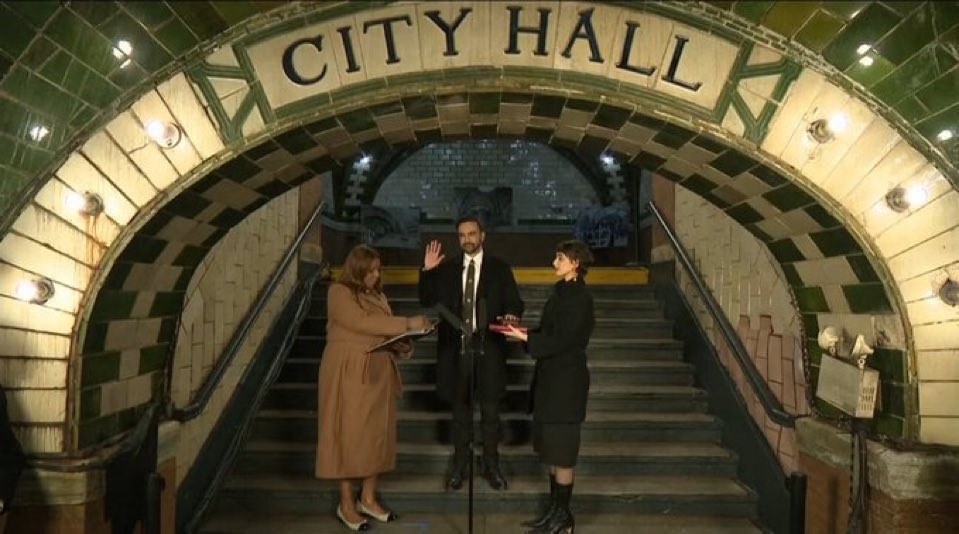
One of the biggest shifts in 2026 is political representation. In January 2026, Zohran Mamdani became the first Muslim mayor of New York City, highlighting a milestone for the Muslim community and broader representation of religious minorities in American politics.
This milestone signals growing influence and visibility for Muslim Americans in political life, especially in major urban centers with large Muslim populations. Political participation — from local office seekers to mayoral candidates — continues to increase across states like Illinois and New York.
2. Civic Engagement and Voter Influence
Arab and Muslim Americans are not only winning elections but also engaging more actively in civic and community life. Increasing numbers of Arab and Muslim candidates are running for local offices, driven in part by a desire to influence public policy and combat anti-Arab and anti-Muslim sentiments.
There’s also a broader trend toward greater political awareness and voter mobilization in these communities, reflecting a shift from marginal visibility to mainstream political involvement.
3. Ongoing Challenges: Discrimination and Islamophobia
Despite civic gains, the community still faces significant challenges. Reports indicate that anti-Muslim and anti-Arab discrimination incidents rose in recent years, particularly after geopolitical conflicts involving the Middle East. Advocacy groups have documented increases in employment, education, and hate crime complaints.
Additionally, recent political actions in some states labeling Muslim advocacy organizations as “terrorist” groups have raised alarms among civil rights leaders, who warn these moves may deepen Islamophobia and threaten protections for civil rights organizations.
Such developments contribute to social stress and highlight the ongoing struggle against prejudice and biased political rhetoric.
4. Cultural Presence and Identity
Cultural visibility is also increasing. Events like the first Muslim American Heritage Month in New York — marked by landmarks being illuminated in symbolic ways — celebrate Muslim contributions to American society, even as they sometimes spark public debate.
Community organizations, cultural fairs, and book festivals further strengthen connections within the Arab and Muslim diaspora and with wider American audiences, fostering cultural exchange and awareness.
5. Community Organizing and Advocacy
Arab American civil rights groups — such as long-standing organizations advocating against discrimination and for heritage preservation — continue to play a central role. These groups organize educational events, advocacy campaigns, and community support programs that bolster identity, combat bias, and promote civic participation.
Conclusion
As 2026 unfolds, the Arab and Muslim communities in the United States are asserting greater influence in political, cultural, and social arenas — even as they confront persistent challenges from discrimination and political backlash. The combination of increased representation, civic engagement, and cultural visibility marks a transformative phase for these communities in America’s evolving mosaic.