The Muslim Community in Idaho: Growth, Challenges, and Cultural Contributions
Exploring the religious, social, and civic impact of Idaho’s growing Muslim population
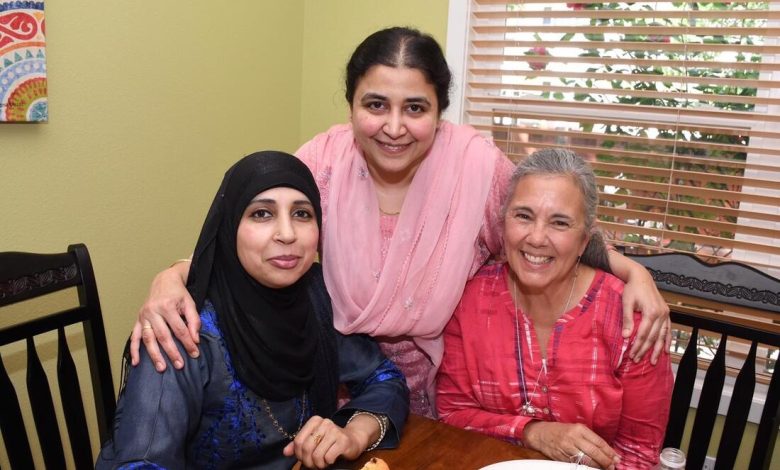
The Muslim community in Idaho, while relatively small compared to larger states, has been steadily growing and making a meaningful impact on the cultural and social fabric of the state. Most Idaho Muslims reside in urban centers such as Boise, Meridian, and Nampa, though smaller communities exist in rural areas. This diverse population includes immigrants from the Middle East, South Asia, Africa, and refugees who have resettled in the state over the past few decades.
Religious and Cultural Centers
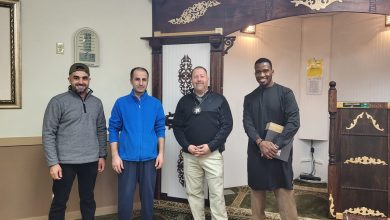
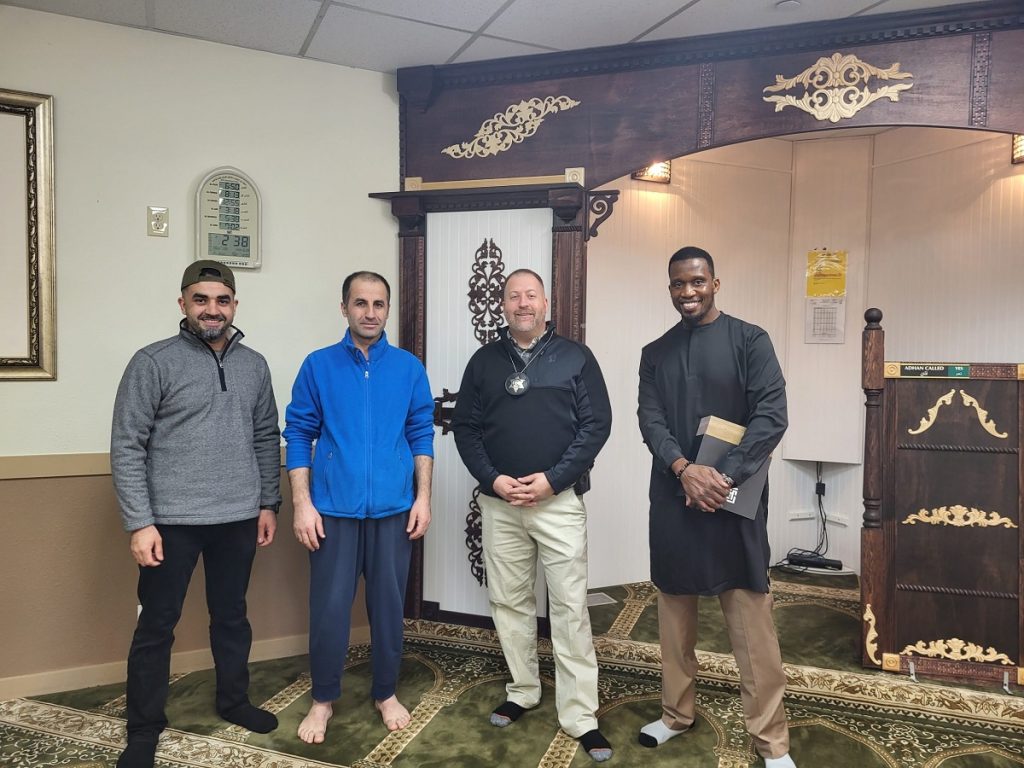
Idaho’s Muslims have established mosques and Islamic centers that serve as hubs for worship, education, and community engagement. Notable institutions include the Idaho Islamic Center in Boise and smaller prayer spaces across the state. These centers host daily prayers, Friday congregational services, Ramadan activities, and Eid celebrations, providing both spiritual support and social cohesion for the community.
In addition to religious functions, these centers play a critical role in educational outreach, offering classes on Islamic studies, Arabic language courses, and youth programs. Many community members emphasize the importance of interfaith dialogue, working with local Christian, Jewish, and other religious organizations to promote understanding and reduce prejudice.
Challenges and Integration
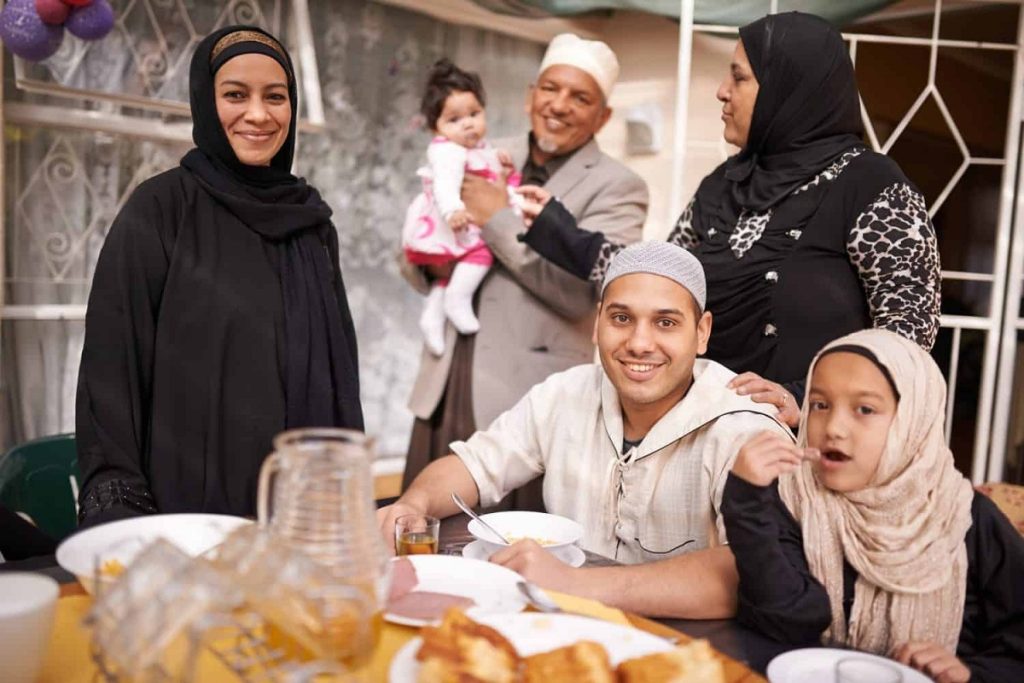
Despite their growing presence, Muslims in Idaho face challenges related to visibility and acceptance. Idaho, with a largely conservative and predominantly non-Muslim population, has occasionally witnessed Islamophobia and misconceptions about Islamic practices. Community leaders have responded by engaging in public education campaigns, organizing open houses at mosques, and participating in civic activities to foster inclusivity.
Economic integration has also been a focus. Many Idaho Muslims are entrepreneurs, professionals, or small business owners, contributing to the local economy while navigating cultural and religious accommodations in the workplace. Community networks provide mentorship and support for younger generations to pursue higher education and professional opportunities, ensuring continued growth and stability.
Community Initiatives and Civic Engagement
The Muslim community in Idaho is increasingly active in civic life, including voter registration drives, charity initiatives, and volunteer programs. Organizations such as Idaho Muslim Alliance and other local nonprofits collaborate with broader community groups to provide social services, food drives, and disaster relief. These initiatives not only support residents in need but also strengthen cross-cultural connections.
Muslim students at Idaho colleges and universities have formed student associations to advocate for religious accommodations, promote cultural awareness, and host educational events. These programs aim to combat stereotypes, increase visibility, and build solidarity among students from diverse backgrounds.
Looking Ahead
As Idaho continues to attract diverse populations, the Muslim community is likely to grow both in size and influence. Continued efforts in interfaith dialogue, education, civic participation, and community development are essential to ensuring that Muslims in Idaho are fully integrated and represented in the state’s social and political landscape.
While challenges persist, the community’s resilience, proactive engagement, and commitment to Idaho’s broader society highlight a positive trajectory for the future. By fostering understanding and collaboration, Muslims in Idaho are contributing meaningfully to the state’s cultural diversity and civic vitality.