U.S. States Roll Out Year-End Tax Relief Payments: Millions to Receive Direct Financial Support in December 2025
Alaska, New York, New Jersey, and Pennsylvania launch state-funded tax rebates as families struggle with inflation and rising living costs.
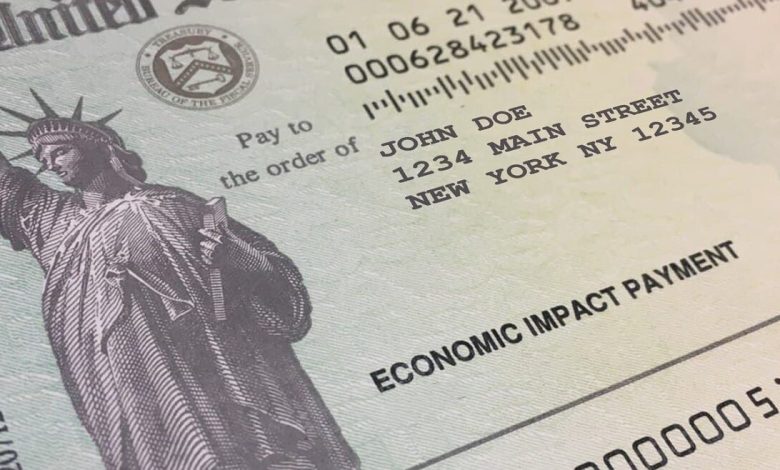
Millions of American families are preparing to receive tax-relief payments from four states before the end of the year, at a time when economic pressures and the rising cost of living continue to intensify. With federal stimulus checks no longer available, state governments are turning to revenue surpluses and relief programs to provide direct financial support to residents.
According to Newsweek, the states sending payments in December 2025 are Alaska, New York, New Jersey, and Pennsylvania, through local programs that differ in mechanisms and objectives:
Alaska:
The Alaska Permanent Fund Dividend (PFD), funded by oil revenues, is issuing a $1,000 payment to every eligible resident. Late applications will be paid on December 18, while subsequent applications will be processed in January 2026.

New York:
The state is implementing, for the first time, a one-time inflation relief credit. More than 8 million residents will receive amounts ranging from $150 to $400, which will be sent automatically to eligible households without the need to apply.
New Jersey:
The expanded property-tax relief program (ANCHOR) continues to issue payments for late applications, with additional checks mailed in early December.
Pennsylvania:
The Property Tax/Rent Rebate (PTRR) program is still processing remaining payments and mailing them throughout December, with a possible extension into early 2026.
According to the Florida Policy Institute (FPI), these programs show that direct financial relief is increasingly dependent on state-led initiatives amid legislative gridlock at the federal level. Local officials emphasize that the goal is to ease pressure on households most affected by inflation, with many programs expected to continue annually or periodically based on available funding.
By year-end, it has become clear that states are playing a key role in filling the gap left by the absence of federal stimulus, using local programs designed to improve affordability and reduce the financial burden on residents.