The Most Popular Arab Winter Dishes in the United States
How Traditional Middle Eastern Comfort Foods Warm Arab Communities Across America.

As temperatures drop across the United States, Arab communities turn to traditional winter dishes that offer warmth, nourishment, and a sense of home. These meals—deeply rooted in Levantine, North African, and Gulf culinary traditions—have become staples not only within Arab households but also in restaurants and cultural gatherings across American cities with large Arab populations.
One of the most popular winter dishes is lentil soup (Shorbat Adas), known for its simplicity and nutritional value. Made with lentils, onions, cumin, and olive oil, it is a go-to comfort food during cold months and is commonly served in Arab homes from New York to Dearborn, Michigan.
Molokhia, whether prepared in the Egyptian or Levantine style, is another winter favorite. Rich in nutrients and traditionally cooked with garlic, coriander, and chicken or rabbit, molokhia is especially popular among families seeking hearty meals that can feed large households.
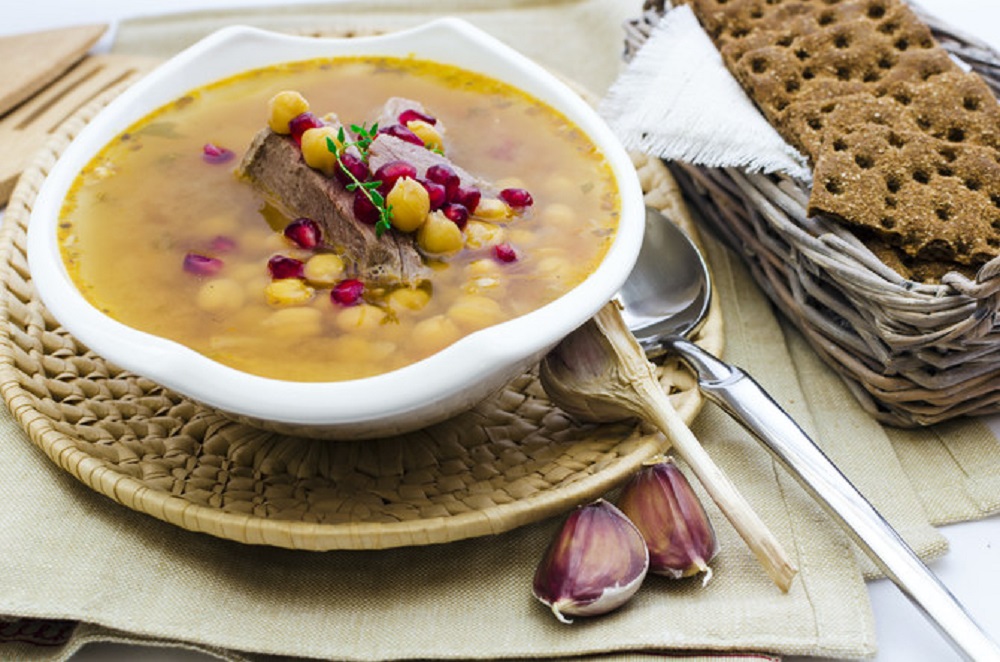
In North African communities, particularly among Tunisians and Algerians, couscous and lablabi are winter essentials. Lablabi, a warm chickpea soup seasoned with cumin, garlic, and harissa, is widely consumed in colder weather and has found a strong following in Arab cafés and food festivals in the U.S.
Kibbeh, especially baked or soup-based versions like kibbeh bi laban or kibbeh soup, is also commonly prepared during winter. Its combination of bulgur, meat, and spices makes it both filling and comforting.
Arab winter cuisine in the United States is not only about nourishment—it is about preserving cultural identity. These dishes are often prepared during family gatherings, religious events, and community celebrations, serving as a bridge between generations and a reminder of home amid life in the diaspora.