The Most Famous Mosques in the United States: Top Islamic Centers Serving Millions
A comprehensive look at America’s most iconic mosques, their history, communities, and national impact.
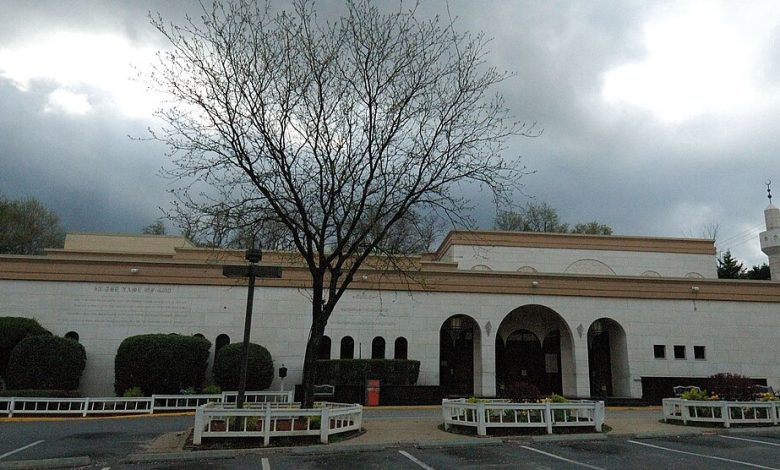
Islam has been present in the United States for centuries—from early African Muslims brought during the transatlantic slave trade to later immigrants from the Middle East, South Asia, Africa, and beyond. Today, more than 3.5 million Muslims live across the country, and hundreds of mosques serve as hubs of worship, culture, education, and community service.
While thousands of masjids serve local neighborhoods, several stand out for their historic significance, architectural beauty, large congregations, and influence on American Muslim life. These mosques welcome millions of worshippers each year and play a major role in shaping Muslim identity in the U.S.
Below is an in-depth look at the most famous and widely visited mosques in the United States.
1. Islamic Center of America (Dearborn, Michigan)
The Largest and Most Recognized Mosque in the U.S.
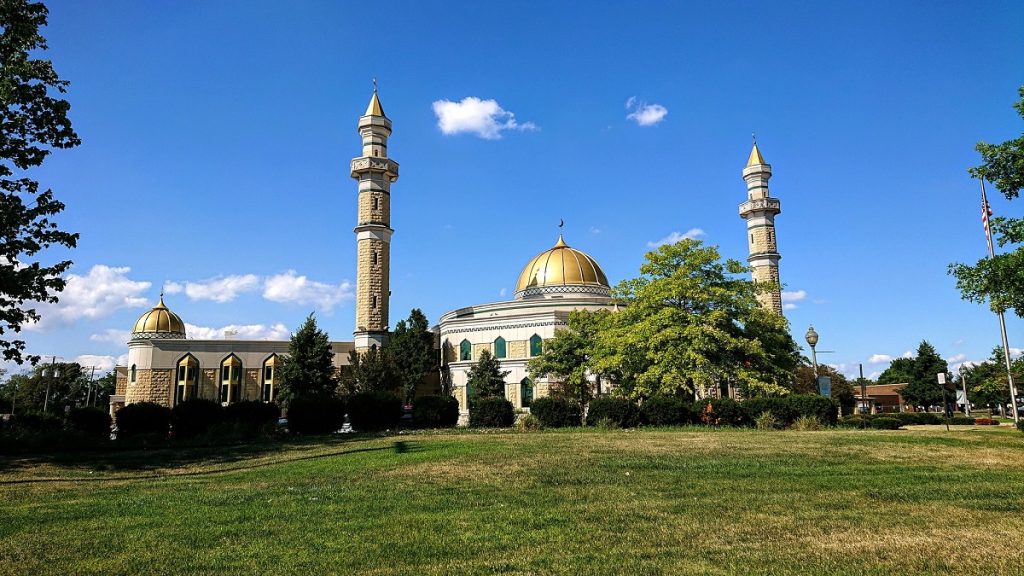
The Islamic Center of America (ICA) is often considered the most famous mosque in the United States. Established in 1963 and expanded in 2005, it is one of the largest mosques in North America, serving thousands of families in Dearborn—home to one of the strongest Arab and Muslim communities in the country.
Key Features:
-
Capacity for more than 10,000 worshippers
-
Majestic architecture with marble columns and a grand prayer hall
-
Active community programs, Qur’an schools, and charity initiatives
-
Major center for Lebanese-American and Shi’a communities
ICA’s influence extends far beyond Michigan, symbolizing Muslim visibility, stability, and growth in the U.S.
2. Islamic Cultural Center of New York (Manhattan, NY)
New York City’s Most Iconic Mosque
Located in Manhattan’s Upper East Side, the Islamic Cultural Center of New York is one of the city’s most recognizable religious landmarks. From its striking minaret to its modern geometric architecture, it stands as a symbol of Islam in America’s largest city.
Highlights:
-
Opened in 1991 as NYC’s first purpose-built mosque
-
Serves a diverse international congregation
-
Known for its large Friday prayers and Eid gatherings
-
Offers educational programs, interfaith events, and youth activities
As a global city, New York draws Muslims from every continent—and this mosque is a spiritual home for thousands.
3. Masjid Muhammad – “The Nation’s Mosque” (Washington, D.C.)
Historic Center of African American Muslim Life
Masjid Muhammad is one of the oldest mosques built by African American Muslims and has played a groundbreaking role in national Islamic development.
Key Attributes:
-
Established in the mid-20th century by followers of Imam W. D. Mohammed
-
Known for strong interfaith partnerships and civic engagement
-
Frequently visited by U.S. presidents, civil rights leaders, and diplomats
-
Central hub for African American Sunni Muslims
Its legacy links Islam with American civil rights, community empowerment, and social justice.
4. King Fahad Mosque (Culver City, Los Angeles, California)
A Landmark Mosque for West Coast Muslims
With its elegant Ottoman-style architecture, the King Fahad Mosque is one of the most architecturally striking mosques in the U.S. It serves a large and diverse Muslim community in Southern California.
Why It Stands Out:
-
Beautiful marble dome and 72-foot minaret
-
Large prayer capacity and multicultural congregation
-
Renowned Qur’an and Arabic classes
-
Significant center for Eid celebrations in Los Angeles
Los Angeles is home to one of the largest and most diverse Muslim populations nationwide, and King Fahad Mosque remains one of its spiritual anchors.
5. Dar Al-Hijrah Islamic Center (Falls Church, Virginia)
One of the Most Active and Influential Mosques in the U.S.
Dar Al-Hijrah is known for its robust community services and its role in shaping the Muslim American experience in the Washington, D.C. metropolitan area.
Highlights:
-
Large Friday attendance and multilingual sermons
-
Strong immigrant community representation (Arab, African, and South Asian)
-
Food banks, social service programs, and refugee support
-
Major political and civic engagement center
Its role extends beyond worship—it is a hub for community empowerment and political participation.
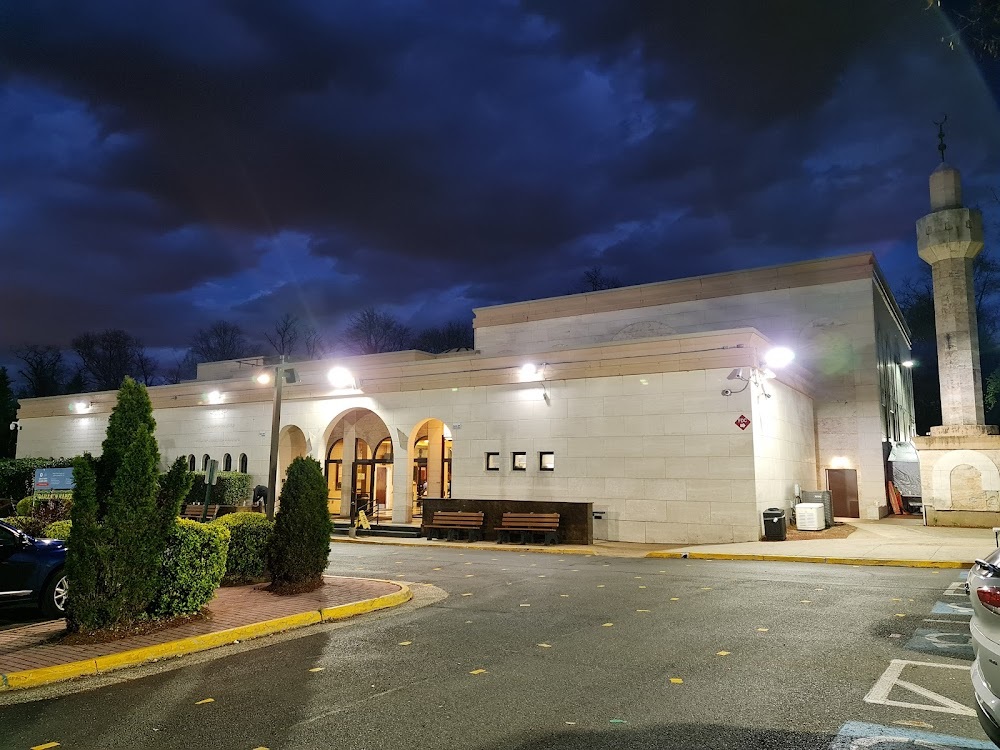
6. Islamic Center of Southern California (Los Angeles)
A Pioneer in American Muslim Organization
Founded in 1953, ICSC is one of the oldest Muslim institutions in the United States. It is known for pioneering English-language sermons and interfaith initiatives.
Key Points:
-
Early advocate for American Muslim identity
-
Offers major social programs and youth development
-
Hosts large Ramadan and Eid gatherings
-
Draws a diverse and educated congregation
Its influence is significant in shaping the modern narrative of Islam in America.
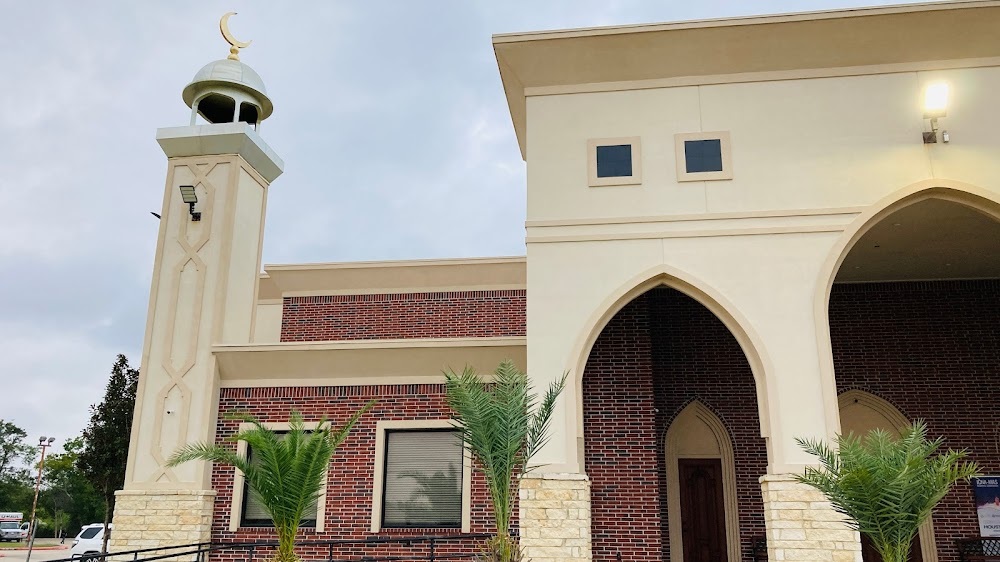
7. East Plano Islamic Center & Valley Ranch Islamic Center (Texas)
Centers of Rapid Muslim Growth in the South
Texas has one of the fastest-growing Muslim populations in the country, and mosques like EPIC (Plano) and VRIC (Irving) have gained national recognition for their programs.
Reasons for their popularity:
-
Huge congregations, with thousands attending Jumu’ah
-
High-quality youth programs, seminars, and community events
-
Modern architecture and large campuses
-
Strong online presence and educational content
These mosques reflect the dynamism of Muslim life in the American South.
The Influence of America’s Iconic Mosques
These mosques are more than prayer spaces—they are:
-
Community centers
-
Schools and educational institutions
-
Refugee support systems
-
Cultural hubs
-
Platforms for interfaith cooperation
-
Voices for social justice and civic participation
They represent the diversity, resilience, and contributions of Muslims across the United States.