NYC Council Blocks Rent Hike for Low-Income Families, Overrides Mayor Adams’ Veto
Lawmakers preserve the 30% rent cap for CityFHEPS voucher holders, marking a major win for affordable housing advocates.
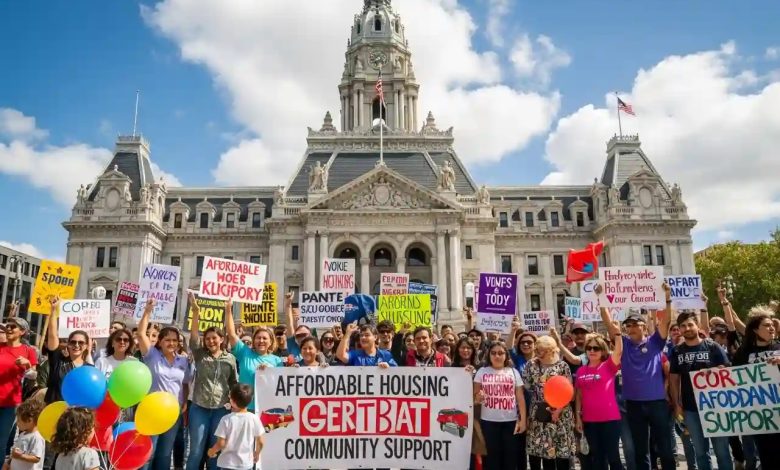
In a decisive assertion of legislative authority, the New York City Council voted to override Mayor Eric Adams’ veto and block a proposed rent increase that would have affected tens of thousands of low-income families relying on CityFHEPS housing vouchers. The decision ensures that beneficiaries will continue paying just 30% of their income toward rent—preserving a lifeline for residents living on the financial edge.
The move represents a significant victory for advocates fighting to maintain housing stability amid rising rents, deepening homelessness, and the growing strain on social support systems. With the override, the Council prevented an administration-backed plan that would have raised tenant contributions to 40% of income—a change widely criticized as punitive toward the city’s most vulnerable.
A Critical Program Under Pressure
CityFHEPS, modeled after the federal Section 8 program, supports over 60,000 families by covering most of their monthly rent. Another 10,000 approved households remain in shelters waiting for available housing, highlighting both the severity of the homelessness crisis and the program’s essential role.
Federal guidelines define households paying more than 30% of income on rent as “cost-burdened,” a threshold housing advocates argue must not be breached for low-income families who already struggle to meet basic needs.
Legislative Defiance Amid Growing Tension
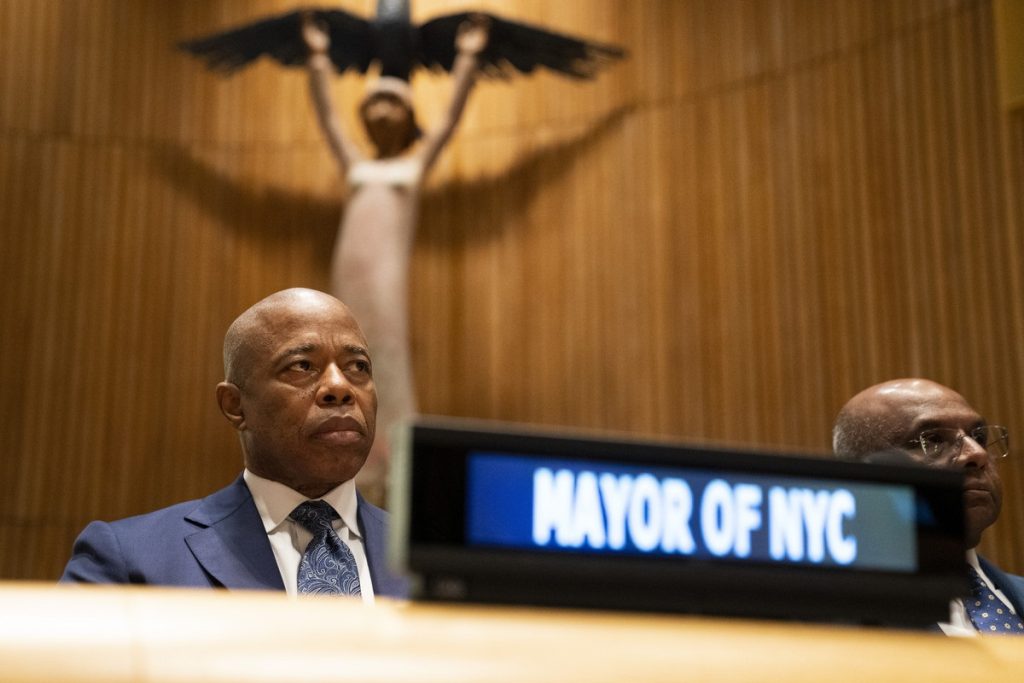
Council Speaker Adrienne Adams, a vocal critic of the proposed increase, framed the override as a moral obligation. “Our job is to protect the most vulnerable,” she said. Her remarks also underscored growing friction between the Council and the Mayor’s Office over the direction of the city’s housing policies.
The administration, meanwhile, defended the rent hike as necessary to address rising program costs. However, the Council and housing advocates maintained that the burden should not be shifted onto families with limited means.
Community Advocates Applaud the Decision
Homeless rights activists hailed the Council’s action as a lifeline. Milton Perez, a longtime advocate who once relied on a housing voucher himself, spoke passionately about the program’s transformative power. He emphasized that CityFHEPS is not only about helping families find housing but also about helping them stay housed—offering stability in a city where rent hikes routinely push working-class residents into shelters.
Broader Legislative Pushback Against Mayor Adams
The Council’s action extended beyond housing. In the same session, lawmakers overrode several additional mayoral vetoes:
-
A bill requiring large employers to submit comprehensive payroll data
-
Legislation mandating pay equity studies for major companies
-
A measure creating a city Office of Contract Services to streamline nonprofit contracting
These moves reflect the Council’s broader agenda centered on economic fairness, equity, and government accountability.

A Strained Relationship—and a Turning Point
The Adams administration criticized the Council’s actions as overreach that could harm both businesses and the city’s governance structure. Still, it signaled a willingness to continue working with the Council on shared goals.
This high-stakes legislative showdown highlights a defining tension of the current administration: the delicate balance between fiscal constraints and the moral imperative to protect New Yorkers most at risk. As the city continues to navigate affordability challenges, the Council’s decision stands as a forceful reminder of the power—and responsibility—of local government to safeguard its residents.