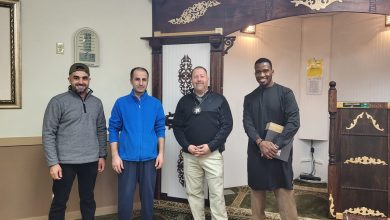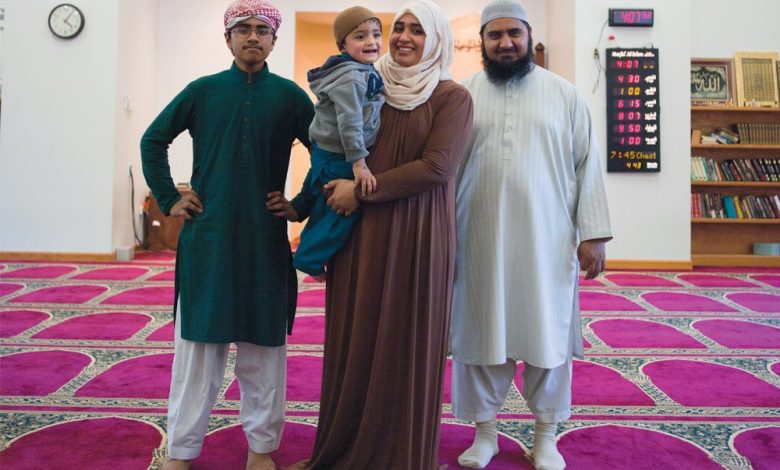
Muslims in Rhode Island are a small but increasingly influential part of the state’s diverse population. Although Rhode Island has one of the smallest Muslim populations in the United States by absolute numbers, the community has a rich history and plays a significant role in the cultural, social, and economic life of the state.
Historical Background and Demographics
The Muslim population in Rhode Island has grown steadily over the past few decades. Many members of the community are immigrants from countries such as Pakistan, Bangladesh, Yemen, Egypt, and Somalia, while a notable portion are U.S.-born Muslims whose families have lived in the region for generations. Estimates suggest that Muslims make up roughly 1–2% of Rhode Island’s population, concentrated mainly in Providence and its suburbs, with growing communities in Pawtucket, Warwick, and Newport.
Religious Institutions and Cultural Centers
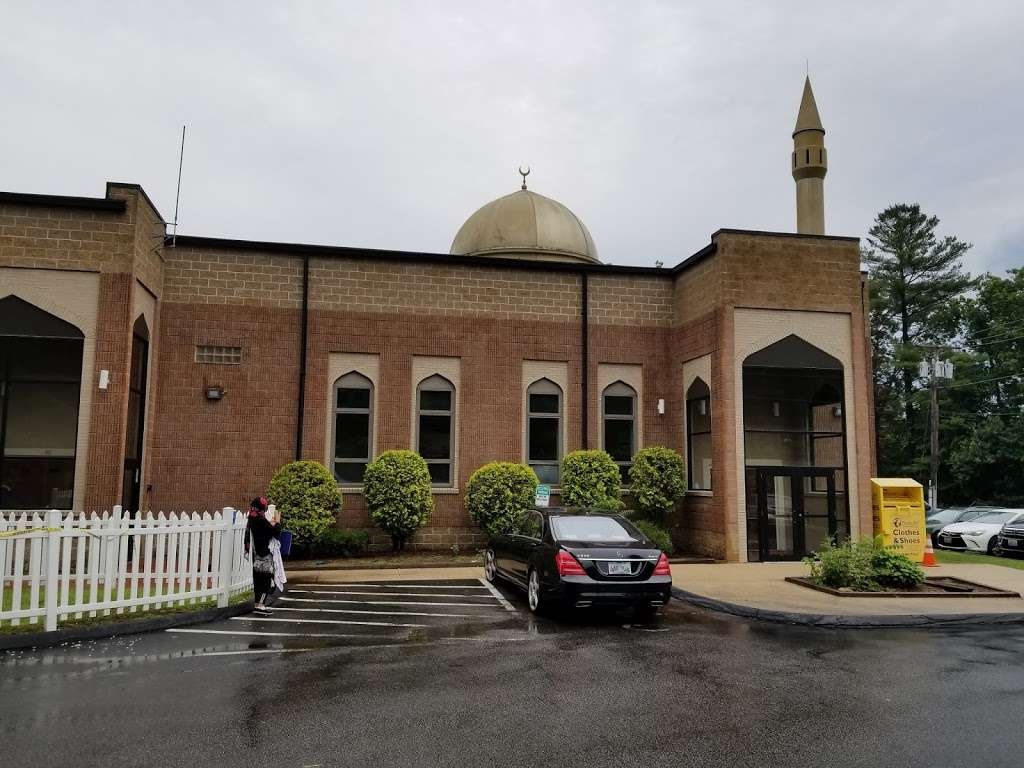
Rhode Island’s Muslim community has established several mosques, Islamic centers, and cultural organizations that serve as hubs for worship, education, and community activities. Notable institutions include the Islamic Society of Rhode Island and the Masjid Al-Islam, which provide daily prayers, Quranic education, youth programs, and community outreach. These centers not only facilitate religious practice but also foster cultural awareness and interfaith dialogue with other communities across the state.
Education and Civic Participation
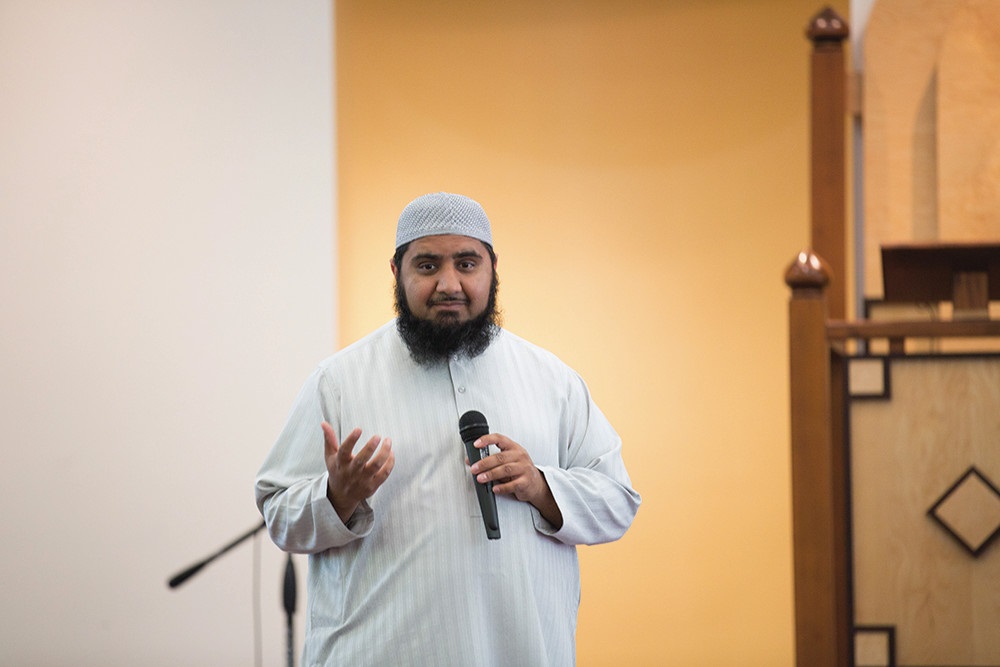
Education and civic engagement are central to Rhode Island’s Muslim community. Muslim organizations often host seminars, workshops, and public lectures on topics ranging from religious literacy to social responsibility. Many young Muslims in Rhode Island attend local universities and participate in student organizations that promote cultural diversity and mutual understanding.
Civic participation is also on the rise, with Muslims engaging in local politics, volunteering, and charitable work. This includes advocacy on social justice issues, youth mentorship programs, and disaster relief efforts. These initiatives not only strengthen the community internally but also enhance its visibility and impact on broader Rhode Island society.
Challenges and Community Initiatives
Like other minority groups, Rhode Island Muslims face challenges, including instances of Islamophobia and cultural misunderstanding. However, local organizations work proactively to address these issues through outreach, education, and interfaith collaboration. Programs such as the Rhode Island Interfaith Coalition and Muslim Youth Leadership initiatives aim to bridge cultural gaps and ensure that Muslim voices are heard in community decision-making processes.
Economic Contributions
Rhode Island’s Muslims contribute significantly to the local economy. Many are entrepreneurs, professionals, and small business owners, operating everything from restaurants and retail stores to technology and healthcare enterprises. Their businesses not only create jobs but also enrich the state’s cultural and culinary landscape.
Looking Ahead
The future of Rhode Island’s Muslim community appears promising. With continued focus on education, civic engagement, and interfaith dialogue, Muslims in Rhode Island are increasingly shaping local culture and policies. As the community grows, its contributions to social cohesion, economic development, and cultural diversity will likely expand, making it an integral part of Rhode Island’s identity.