Muslims in Des Moines, Iowa: History, Demographics, and Daily Life
History, Diversity, and the Rising Social Influence of Muslims in Des Moines, United States.
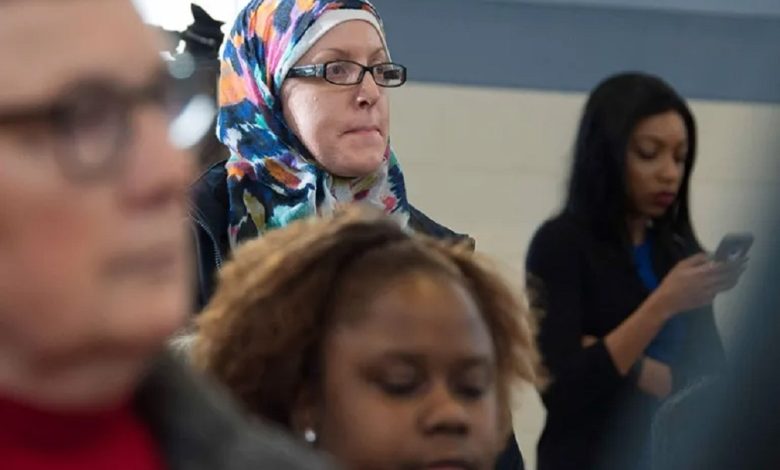
Des Moines, the capital city of Iowa, is often perceived as part of America’s religious and cultural heartland. Yet over the past several decades, the city has become home to a steadily growing and diverse Muslim community that has reshaped its social, economic, and cultural landscape.
Muslims in Des Moines today represent a wide range of ethnic, national, and linguistic backgrounds, contributing to the city’s increasing multicultural character.
Historical Roots of Muslims in Des Moines
The presence of Muslims in Des Moines dates back to the mid-20th century, when small numbers of Muslim students, professionals, and immigrants began settling in Iowa for education and employment opportunities. Early arrivals included African American Muslims as well as immigrants from the Middle East and South Asia.
The community expanded significantly from the 1990s onward due to refugee resettlement programs. Des Moines became a destination for Muslims fleeing conflict and instability in countries such as Bosnia, Somalia, Sudan, Iraq, and later Syria. These newcomers brought with them strong communal traditions and a commitment to rebuilding their lives through education, entrepreneurship, and civic engagement.
Demographic Diversity and Identity
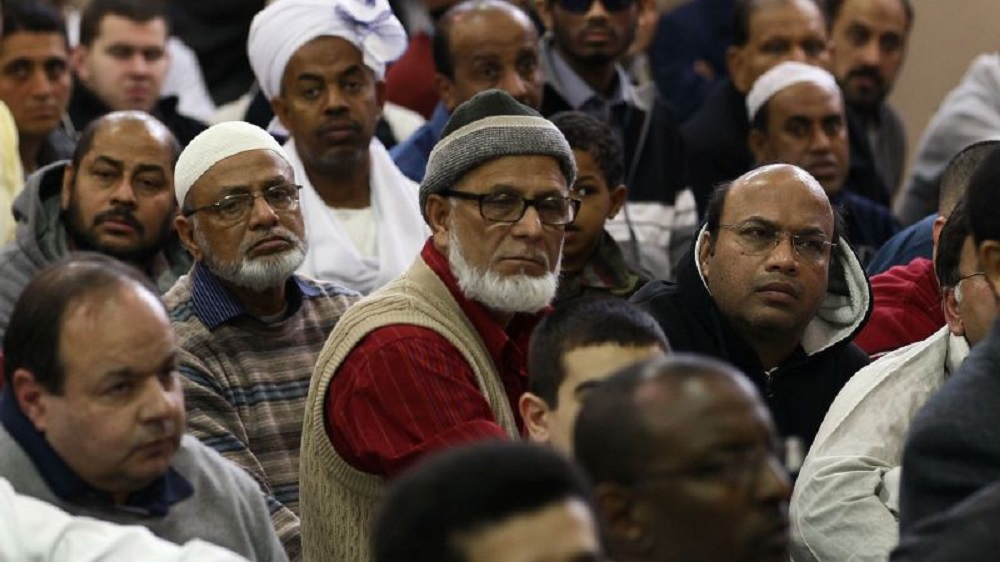
Muslims in Des Moines are not a monolithic group. The community includes:
-
African American Muslims with deep historical roots in the United States
-
Arab Americans from countries such as Iraq, Palestine, and Yemen
-
South Asian Muslims from Pakistan, India, and Bangladesh
-
African Muslims, particularly from Somalia and Sudan
-
Converts to Islam from diverse backgrounds
This diversity is reflected in mosques, community centers, and cultural events, where multiple languages are spoken and traditions coexist under a shared Islamic identity.
Mosques and Islamic Institutions
Des Moines is home to several mosques and Islamic centers that serve as spiritual, educational, and social hubs. These institutions provide daily prayers, Friday congregational prayers (Jumu’ah), Ramadan activities, youth programs, Quran education, and interfaith outreach.
Beyond worship, mosques in Des Moines often function as community support centers, offering assistance to refugees, food drives, counseling services, and civic education. They play a vital role in helping new immigrants integrate into American society while maintaining their religious and cultural values.
Economic Contributions and Entrepreneurship
Muslim residents have become an integral part of Des Moines’ local economy. Many operate small businesses such as grocery stores, halal markets, restaurants, transportation services, and professional practices. Muslim entrepreneurs have revitalized neighborhoods, created jobs, and contributed to the city’s economic resilience.
At the same time, Muslim professionals work across sectors including healthcare, education, engineering, finance, and public service, strengthening the city’s workforce and professional landscape.
Civic Engagement and Interfaith Relations
In recent years, Muslims in Des Moines have become increasingly visible in civic life. Community leaders engage with local government, school boards, and nonprofit organizations to advocate for religious accommodation, social justice, and immigrant rights.
Interfaith dialogue has been a defining feature of Muslim life in Des Moines. Mosques regularly collaborate with churches, synagogues, and civic groups to promote mutual understanding, combat Islamophobia, and address shared challenges such as poverty, homelessness, and racial inequality.
Challenges and Resilience
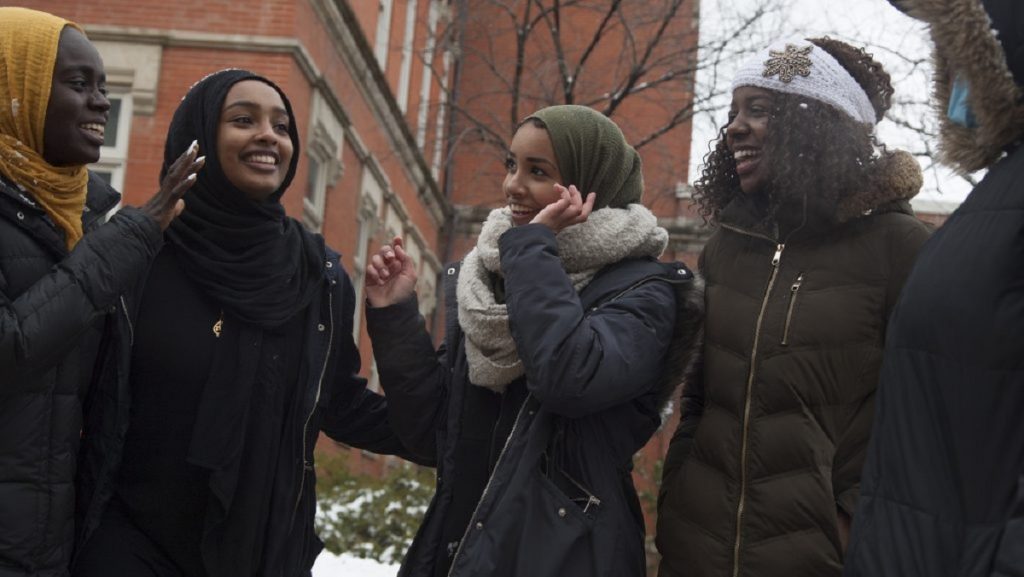
Like many Muslim communities across the United States, Muslims in Des Moines face challenges including discrimination, cultural misunderstanding, and political rhetoric that targets immigrants and religious minorities. Refugee families often encounter barriers related to language access, employment, and housing.
Despite these obstacles, the community has demonstrated remarkable resilience. Through strong family networks, community institutions, and alliances with local partners, Muslims in Des Moines continue to assert their place as an essential part of the city’s social fabric.
The Future of Muslims in Des Moines
As Des Moines continues to grow and diversify, the Muslim community is expected to play an even more prominent role in shaping the city’s future. Younger generations of Muslims—born or raised in Iowa—are increasingly active in higher education, activism, and public discourse.
Their experience reflects a broader American Muslim story: one that balances faith and citizenship, tradition and change, local belonging and global awareness.