Winter Life and Traditional Cuisine in Northern Lebanon’s Mountain Villages
How Snow, Wood-Fired Cooking, and Preserved Foods Keep Heritage Alive in Lebanon’s Highlands.
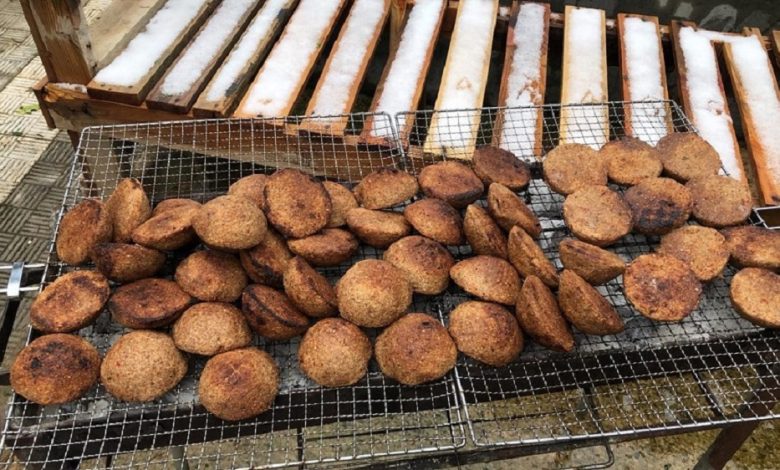
As every year, with the arrival of the “white visitor” — snow — the mountain villages of northern Lebanon return to their roots and former authenticity, reviving the rituals of traditional cuisine passed down through generations. It is a kitchen whose origins are unknown, yet its survival is guaranteed as long as the people of the mountains remain attached to it.
Life in these northern mountain villages follows a familiar annual cycle, beginning at dawn and ending late at night. During the summer months, men and women prepare for the harsh winter ahead, bracing themselves for its long, cold nights.
Cooking Over Wood Fires
As soon as the first hailstones touch the ground, the wood-burning stove—known locally as the soubia—regains its central role in the winter kitchen. More than just a heating source, the stove is also a cooking tool, always accompanied by a large pot known as the dast.
Women and elders begin their mornings preparing dishes such as kishk and ghamroun, before moving on to assideh—boiled wheat cooked with meat and fat, known in some villages of Dinnieh as qamhiyeh. Wood is used for cooking due to its abundance in high-altitude and remote areas.
Hearty Winter Dishes
Winter is also the season of “large dishes” such as stuffed grape leaves, various stuffed vegetables, and bean stews like Ayesheh Khanem. The cold weather makes daily cooking impractical, and reheating leftovers is common. Mountain families blend generosity with resourcefulness, adapting costly recipes to fit their reality by preparing dishes like potato kibbeh or Abu Amneh—a mixture of flour, water, bulgur, and spices—replacing meat with chickpeas and sumac.
Dough and Legumes: Winter Energy
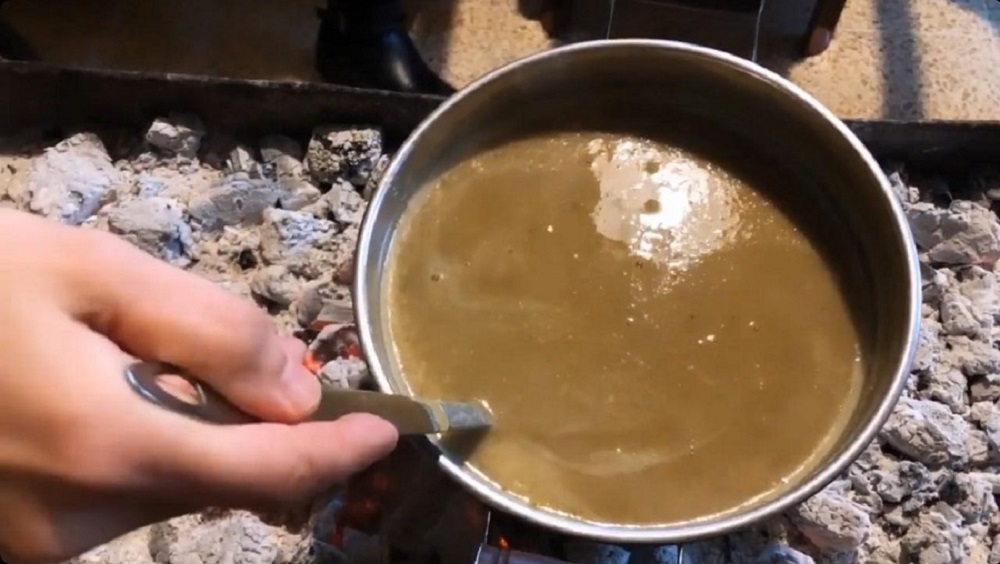
The winter kitchen is not limited to fats and rich foods. Grains and legumes play a major role, providing energy and warmth, especially lentil soup flavored with chili and spices. Makhloota reigns supreme on winter tables, in both sweet and savory forms, combining beans, lentils, chickpeas, pomegranate molasses, onions, garlic, and generous amounts of olive oil.
Dough-based dishes are equally important. Women take pride in preparing perfectly textured dough for rishta, a dish combining lentil purée with handmade dough pieces. As one elderly woman explains, lentils are indispensable in winter because they are “the nails of the knees,” symbolizing strength and endurance.
Snowy Gatherings and Warm Evenings
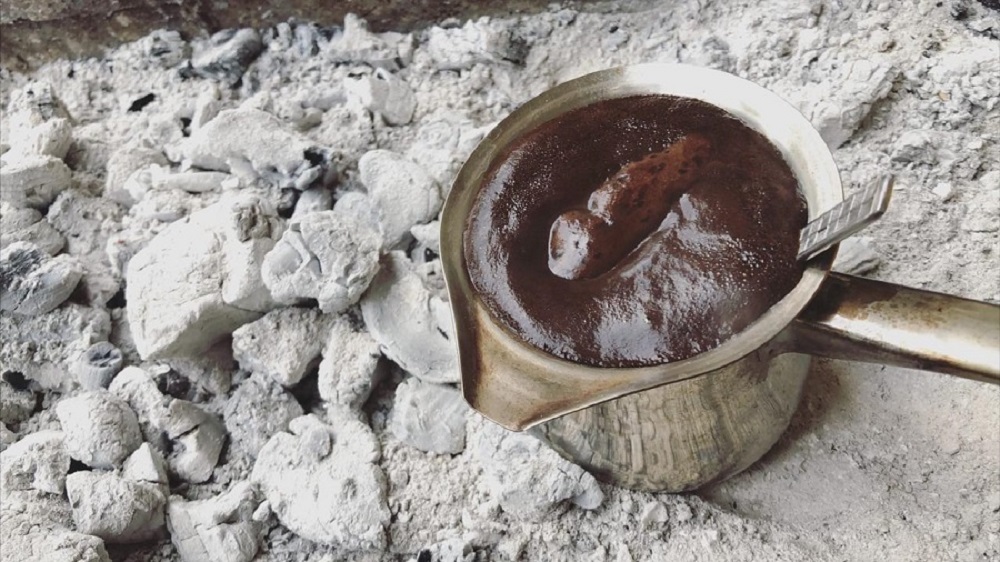
As snowfall begins, women light charcoal braziers for what may be the last outdoor grilling before homes are snowbound for days. They grill kibbeh patties with lamb fat, prepare hot soups, and boil coffee over wood fires.
To ensure warmth throughout the night, villagers rely on karabij—large logs capable of burning for long hours. These logs are carefully collected, sorted, and chopped during summer, a task seen as a test of strength and resilience among men.
The Mouneh Pantry
Women also play a vital role in preparing mouneh—the household pantry. Every mountain home has a storage room considered a “treasure vault,” filled with essentials such as flour sacks, jams, honey, olive oil, molasses, goat milk yogurt, labneh balls, cheeses, dried grains, pickles, olives, and local thyme.
Bulgur production is a seasonal ritual: wheat is harvested, boiled, sun-dried on rooftops, then ground into different textures for dishes like kishk and bulgur mujaddara with beans.
Winter Evenings and Community Life
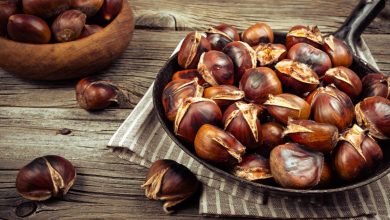
With limited leisure activities, villagers find joy in snow driving, hunting, and watching children build snowmen. Evenings are spent in lively gatherings around card tables, sipping tea with walnuts, herbal infusions, hot sahlab, and enjoying roasted chestnuts and potatoes.
Each winter night tells a different story, as villagers await the return of the sun’s warmth, when life once again flows through the land, crops awaken, and traditional outdoor ovens come back to life.