Do Arabs and Muslims Hold Key Economic Leadership Positions in the United States?
How Arab and Muslim Americans are shaping major industries and the U.S. economy.

Over the past several decades, Arab and Muslim Americans have emerged as influential players in the U.S. economy, occupying leadership positions that extend well beyond traditional stereotypes. From corporate boardrooms and investment firms to hospitals, universities, and technology startups, their economic footprint has become increasingly visible and impactful.
While they do not yet enjoy proportional representation in Fortune 500 executive suites or federal economic institutions, their presence in strategic economic roles is undeniable—and growing.
Strong Presence in Entrepreneurship and Small Business
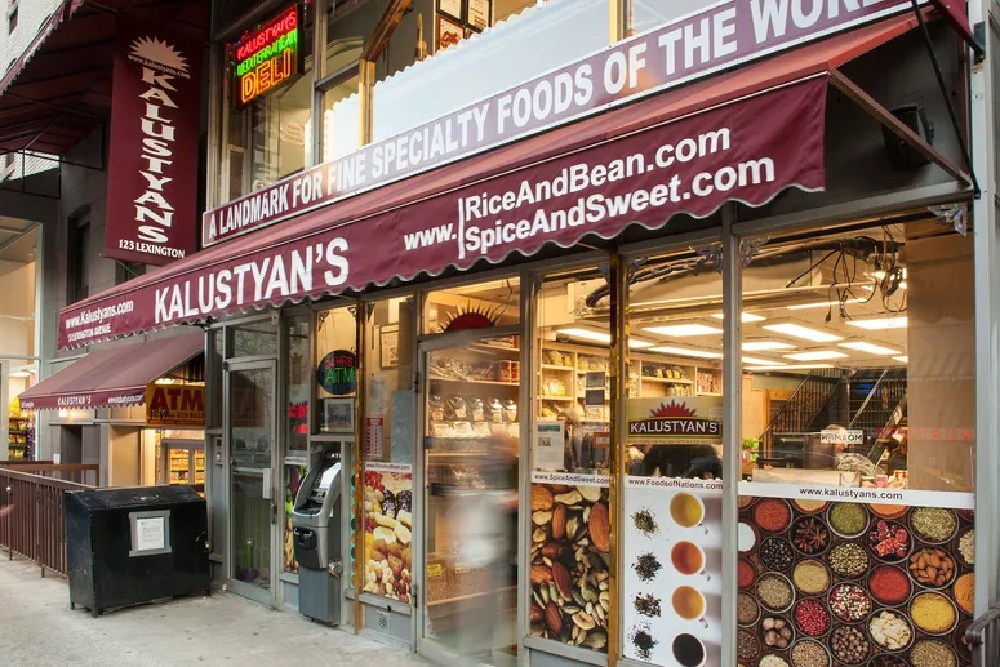
One of the most significant areas of influence for Arab and Muslim Americans is entrepreneurship. Across the United States, they own and operate tens of thousands of businesses, including:
-
Retail chains and grocery distribution networks
-
Gas stations and logistics companies
-
Construction, real estate development, and property management firms
-
Technology startups and consulting firms
Small and medium-sized enterprises owned by Arab and Muslim Americans generate billions of dollars annually, employ large numbers of workers, and play a critical role in local economies—especially in urban and suburban areas.
Leadership in Medicine, Engineering, and Technology
Arab and Muslim professionals are particularly prominent in high-skill, high-impact sectors:
-
Healthcare: Thousands serve as hospital directors, department heads, and healthcare system executives.
-
Engineering and tech: Muslim Americans are well represented in Silicon Valley, working as senior engineers, product managers, and startup founders.
-
Academic and research institutions: Many lead federally funded research projects and innovation centers tied to economic development.
These sectors are central to U.S. economic competitiveness, giving Arab and Muslim leaders substantial indirect influence over national growth and innovation.
Finance, Investment, and Real Estate Influence
In recent years, Arab and Muslim Americans have also expanded their roles in:
-
Private equity and venture capital
-
Commercial real estate development
-
Islamic finance and ethical investment firms
Major cities such as New York, Chicago, Houston, Los Angeles, and Northern Virginia host investment firms and real estate groups led or co-led by Arab and Muslim executives managing portfolios worth hundreds of millions of dollars.
Barriers to Top-Level Representation
Despite these advances, challenges remain. Arab and Muslim Americans often face:
-
Underrepresentation in Fortune 500 CEO roles
-
Political and media scrutiny, particularly during periods of heightened geopolitical tension
-
Limited access to elite corporate networks traditionally dominated by legacy power structures
However, many have bypassed these barriers through entrepreneurship, professional excellence, and strong community networks.

A Quiet but Expanding Economic Force
Rather than dominating headlines, Arab and Muslim Americans have built influence steadily and strategically. Their economic leadership is often decentralized—spread across industries, cities, and institutions—yet collectively powerful.
As younger, U.S.-educated generations enter the workforce and leadership pipelines, experts expect greater visibility in executive roles, national economic policymaking, and large-scale investment leadership.