Waldorf Astoria New York: The Iconic Presidential Landmark
A Century of History, Diplomacy, and Luxury Reimagined
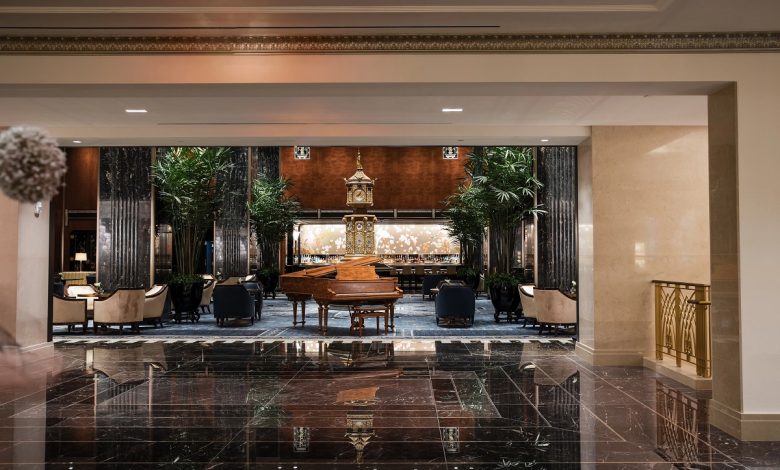
The Waldorf Astoria New York stands as a monumental historical landmark, celebrated not only for its luxurious accommodations but also for its unparalleled connection to the U.S. presidency. For nearly a century, this iconic Art Deco hotel on Park Avenue has silently witnessed countless moments in American political history, hosting every president since Herbert Hoover. Often called the “White House away from the White House,” the Waldorf has earned its reputation as a place where history unfolds within elegant walls.
The hotel’s historical significance is deeply tied to its presidential residents, offering unique insight into the lives and decisions of U.S. leaders. President Herbert Hoover famously chose the Waldorf Astoria as his permanent residence after leaving office. For more than three decades, until his passing at the age of ninety, Hoover lived within the hotel’s luxurious confines, making it a truly unique post-presidential home. This extraordinary residency highlights the hotel’s enduring appeal and its central role in American leadership history.
Waldorf Astoria Reopens: A Renewed Landmark of History and Diplomacy
After an extensive eight-year renovation, the Waldorf Astoria New York and its residences are set to reopen fully in 2025, promising renewed grandeur while preserving its historic essence. The meticulous restoration breathes new life into a building that has long been more than just a hotel—it is a living museum of American prestige and international diplomacy. The reopening marks a new chapter for this venerable institution, ready to welcome future generations of guests and continue its storied legacy.
A testament to its presidential connections is the creation of the Waldorf Astoria Presidential Library within the residences. This exclusive facility, designed for residents, houses a carefully curated collection of books and artifacts, bringing the history of the U.S. presidency to life. From founding documents to personal memoirs, it serves as an educational and historical resource within the comfort of the hotel, allowing an in-depth exploration of the nation’s past through the lens of its leaders.
Beyond presidential stays, the Waldorf Astoria has been the backdrop for major global events. Its rooms hosted United Nations General Assembly sessions, making it a hub for international diplomacy and crucial discussions on global affairs. The hotel also boasts a remarkable collection of gifts from U.S. presidents, including a rocking chair from John F. Kennedy—a tangible piece of history symbolizing the comfort and trust presidents found within its walls.

Waldorf Astoria: A Living Legacy of Presidential History
The hotel’s allure extended to numerous presidents, notably Richard Nixon, who held his pivotal 1968 election night celebration in its grand ballroom. This historic event underscores the Waldorf Astoria’s reputation as a preferred venue for major political occasions, where celebrations and destinies alike were shaped. Its grandeur made it the ideal choice for such a significant announcement, reinforcing its deep integration into the political landscape.
Insights from experts such as historian David Freeland, author of The American Hotel: Waldorf Astoria and a Century of Hospitality, and hospitality professionals like Jasmine Hwanitz, Executive Director of Sales at the Waldorf Astoria, emphasize the depth of this connection. They highlight that the hotel is not just a building but a living narrative woven into the fabric of American society and politics. Ongoing research and dedication to preserving this history ensure that the Waldorf Astoria’s unique story and presidential ties will continue to educate and captivate.
At its core, the Waldorf Astoria New York remains more than a luxury hotel; it is a repository of American history, where presidents have rested, conducted business, and even lived. Its revitalized presence continues this remarkable legacy, inviting guests and residents alike to immerse themselves in a tradition of unmatched elegance and historical significance that few institutions can claim.