New York City Moves to Expand Street Vendor Permits, Paving the Way for Legal Work
City Council advances landmark legislation to dramatically increase permits, ease decades-old restrictions, and bring thousands of street vendors into the legal economy.
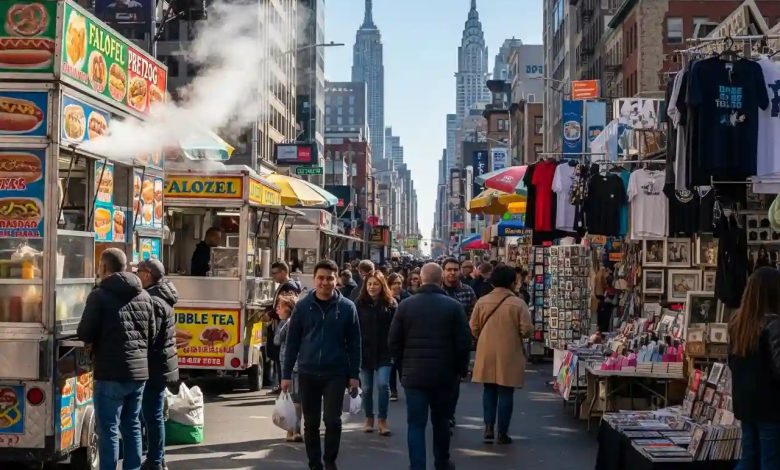
New York City is preparing to implement a major policy shift that could transform the lives of thousands of street vendors. The City Council is advancing a legislative package designed to significantly expand the availability of permits and create a clear legal pathway for vendors who have long struggled under restrictive regulations. The initiative aims to formally integrate a vital part of the city’s culture and economy into its legal framework, offering stability and dignity to countless workers.
The proposed legislation marks a major change in how the city treats its vibrant street vendor community. For decades, aspiring entrepreneurs selling food and merchandise across New York have faced what many describe as an insurmountable barrier: securing a legal permit. Demand has vastly exceeded the limited number of permits available, pushing many vendors into precarious situations—facing heavy fines or spending thousands of dollars to illegally rent permits on the black market.
Estimates suggest that New York City is home to approximately 20,000 street vendors. Yet official figures reveal a stark imbalance: only 6,880 food vendor permits and just 853 general vendor licenses are currently available. This gap underscores the systemic challenge the new law seeks to address.
The City Council is expected to vote on and pass the legislation in the near future. Under the proposal, the number of food vendor permits could rise to nearly 17,000 by 2031, with about 1,300 reserved for veterans and people with disabilities. General vendor licenses are also projected to increase to more than 11,000 by 2027. This phased expansion is intended to gradually bring more vendors into legal compliance.
Councilmember Pierina Sanchez, a Bronx Democrat and the primary sponsor of the legislation, has spoken about her deep personal connection to the issue. Her grandfather sold oranges in Washington Heights, and her father sold merchandise in the Bronx—experiences that gave her firsthand insight into the daily struggles street vendors face. She described the vendor community as “very close and dear to me,” calling it “part of my DNA.”
In addition to raising permit caps, the Council will vote on two complementary bills. One would create a dedicated street vendor assistance unit within the Department of Small Business Services to provide training and help vendors navigate city regulations and resources. The second bill would accelerate the processing of applications for those already on long waiting lists, requiring the city to issue 2,200 food vendor permits annually from 2026 through 2031 and 10,500 general vendor licenses in 2027, effectively clearing the backlog.
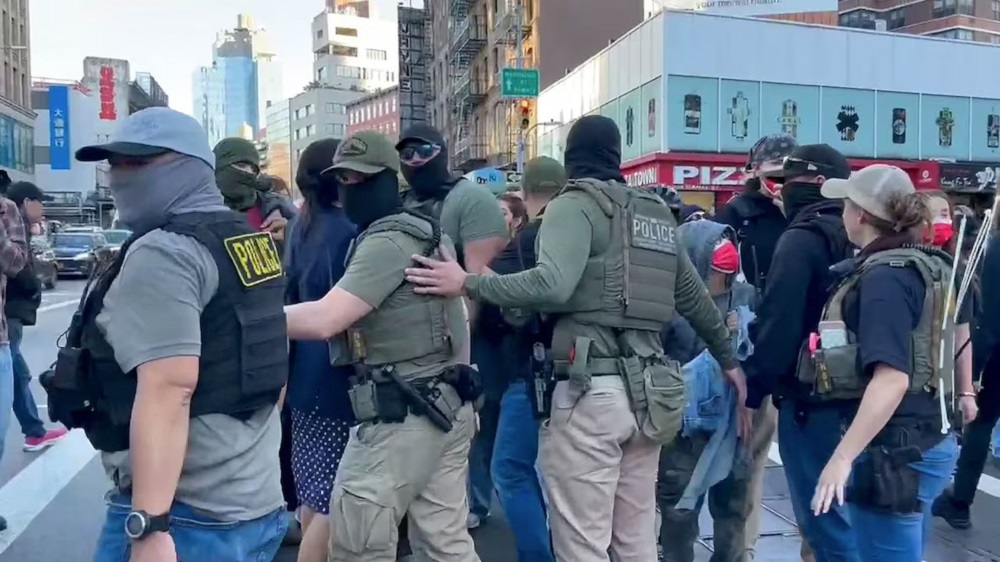
The current system has changed little over decades, even as the number of vendors has grown significantly. The cap on general vendor licenses was set at 853 in 1979, and food vendor permits were capped at 3,000 in 1983. These outdated limits fueled an underground market where permits are illegally rented at high costs. While reforms in recent years introduced modest increases and decriminalized unlicensed vending—shifting penalties from misdemeanors to civil fines—many vendors say those steps were not enough.
Vendors themselves describe the legislation as life-changing. Calvin Baker, a 63-year-old jewelry vendor in Harlem, recalled decades of failed attempts to get on the waiting list. Wajeh Habib, a 58-year-old halal food vendor who has worked in Manhattan for nearly 20 years, hopes the changes will finally give him full ownership and control over his business. Cleo, a vendor from Corona, Queens who sells traditional Mexican dishes, said she has worked in constant fear of enforcement. For her, the legislation represents “a light on our path for the first time,” offering legitimacy and peace of mind.
Still, the proposal has its critics. Some business groups have raised concerns about increased congestion and sanitation issues on already crowded streets. Barbara Blair, head of a Midtown Manhattan business organization, argued against adding what she sees as further strain on public spaces, saying, “We’ve already lost control of what’s happening in our public realm.” Others have called for a balanced approach that supports vendors while maintaining clear and enforceable rules.
In response, Councilmember Sanchez pointed to provisions in the bill aimed at addressing these concerns. The legislation would increase the number of enforcement agents inspecting vending operations, impose higher civil penalties for certain violations, and require vendors to keep surrounding areas clean.
Vendor advocates have welcomed the legislation as a major victory for the city. Mohamed Attia, managing director of a leading street vendor advocacy group, pledged to ensure effective implementation under the incoming administration. Mayor-elect Zohran Mamdani, who takes office on January 1, has also voiced strong support, promising that his administration will actively process new licenses, staff enforcement agencies, and allow street vendors—whom he calls “the heart of New York City”—to work with dignity. Together, these efforts signal a new chapter for New York’s iconic street vendors.