Trump Immigration Crackdown: What New Green Card and Asylum Decisions Really Mean
Immigration lawyer explains asylum suspensions, Green Card reviews, and citizenship rights under new U.S. immigration policies.

In new and controversial developments affecting the U.S. immigration system, a series of decisions issued last November reflect the Trump administration’s hardline stance toward immigration from developing countries. These measures include strict reviews of permanent residents (Green Card holders) eligible for naturalization, along with a temporary suspension of asylum applications.
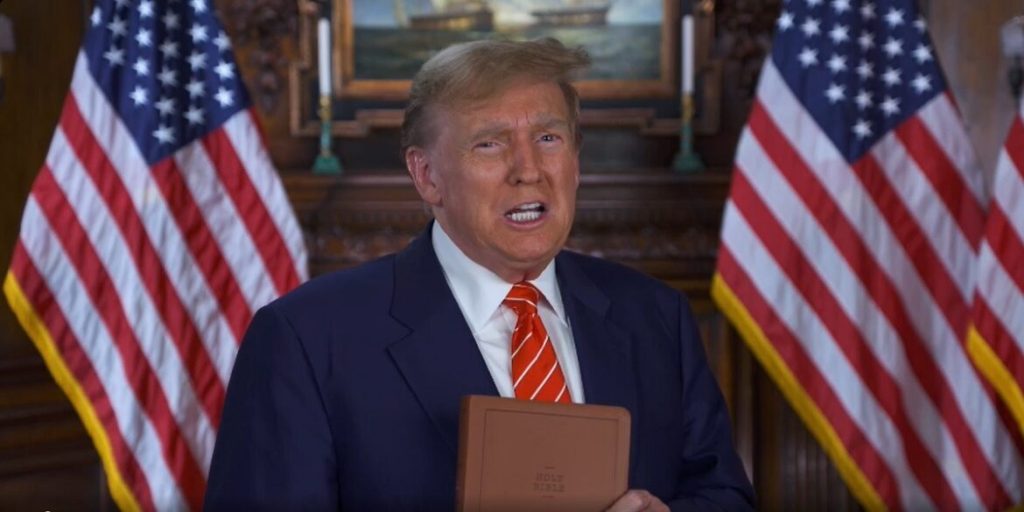
President Trump recently announced a halt to visa issuance and immigration from developing countries, a decision that includes a comprehensive review of permanent residency holders and could directly impact their legal rights and pathways to U.S. citizenship.
In addition, a temporary suspension of all asylum applications was announced, including those filed by Afghans and other nationalities, increasing uncertainty and hardship for individuals seeking legal protection.
As part of these measures, the administration ordered intensified reviews of permanent residency cases, raising concerns about possible effects on citizenship eligibility. Immigrants are urged to strictly follow legal procedures to protect their rights during this period.
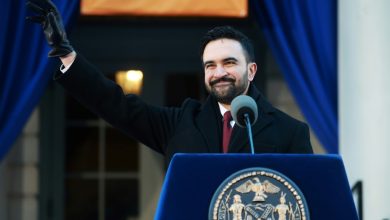
To clarify the legal implications of these decisions, immigration and naturalization attorney Mohamed El-Sharnouby provided a comprehensive legal analysis of the new policies. He explained immigrants’ legal rights, examined the practical challenges of implementing the measures, and addressed the widespread confusion and fear circulating on social media.

Growing Anxiety Among Immigrants
During November, a series of announcements triggered fear among thousands of immigrants, refugees, and Green Card holders. These measures ranged from freezing immigration from developing countries to suspending asylum processing and launching unprecedented reviews of permanent residency and naturalization paths.
Attorney El-Sharnouby stressed that many of these announcements are driven by political propaganda rather than enforceable legal action, warning against misinformation spread by what he referred to as “trend lawyers” on social media who amplify fear without legal grounding.
He explained that legal immigration pathways to the United States are already extremely limited, noting that aside from the diversity visa lottery and family reunification—which remain legally protected—there is no open, points-based immigration system similar to Canada’s.
Even family reunification, he emphasized, cannot be easily suspended without facing strong legal challenges that the administration would likely lose in court.
Asylum Suspension: What Has Really Changed?
According to El-Sharnouby, a formal memo instructed immigration authorities to suspend asylum interviews temporarily. However:
-
Asylum applications can still be filed
-
Work permits are still available
-
Applicants may legally remain in the U.S. while waiting for interviews
He noted that this suspension paradoxically benefits individuals with weak asylum claims, while harming those with legitimate cases seeking timely protection. For strong cases, legal remedies such as Mandamus lawsuits remain available to force the government to schedule interviews.
Green Card Reviews: Legal Reality vs. Political Rhetoric
Addressing fears among permanent residents, El-Sharnouby was unequivocal:“A Green Card cannot be revoked without a ruling from an immigration judge.”
During any review process, permanent residents retain all legal rights, including the ability to travel and work. Even in cases involving alleged misrepresentation, legal waivers may apply, especially for individuals with U.S. citizen spouses, parents, or children.
He criticized the mass review initiative as a waste of public resources driven by political messaging rather than legal necessity.
Citizenship Revocation: Extremely Rare and Legally Restricted
Citizenship, El-Sharnouby explained, can only be revoked if a court determines that it was obtained through material fraud—meaning the individual would not have qualified for citizenship without the false information.
Minor errors or non-material mistakes do not meet this threshold.
Key Advice to Immigrant Communities
-
Do not rely on social media for legal guidance
-
Consult a licensed immigration attorney
-
Do not attend immigration appointments without legal counsel and a qualified interpreter
-
Trust the strength of the U.S. Constitution and judicial system
El-Sharnouby concluded by emphasizing that U.S. courts have repeatedly blocked or reversed executive overreach and that America remains a country governed by law, not arbitrary power.