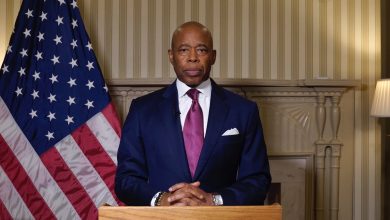
Trump Administration Freezes Green Card and Citizenship Applications from 19 Countries
New policy halts processing for thousands of immigrants from travel-restricted nations, sparking uncertainty and legal concerns.

The Trump administration has halted the processing of green card and citizenship applications for thousands of applicants from 19 countries under travel ban measures, a sweeping move reported by media outlets that has caused confusion among affected individuals and immigration offices alike, according to Newsweek.
This freeze comes as part of a broader review of immigration policies adopted during the Biden administration. The U.S. Citizenship and Immigration Services (USCIS) confirmed that the current administration is reviewing “all privileges” previously granted to immigrants from countries classified as security concerns.
US Halts Green Card and Citizenship Processing for 19 High-Risk Countries
The New York Times reported that the new review has effectively stopped the acceptance and processing of green card and citizenship applications, including cases pending for years. The countries affected by the freeze include Afghanistan, Myanmar, Chad, Congo, Equatorial Guinea, Eritrea, Haiti, Iran, Libya, Somalia, Sudan, Yemen, Burundi, Cuba, Laos, Sierra Leone, Togo, Turkmenistan, and Venezuela.
Department of Homeland Security (DHS) data indicates that more than 720,000 green cards were issued to citizens of these countries between 2021 and early 2024, highlighting the potential impact of the new freeze.
Immigration attorneys report that offices have begun canceling scheduled interviews for applicants from these countries without explanation or alternative dates, leaving many families in severe anxiety, especially those who have waited years for the final step toward residency or citizenship. A Houston-based lawyer noted that cancellations occurred suddenly, and the agency’s electronic systems removed appointments without prior notice, increasing applicants’ sense of lost transparency.
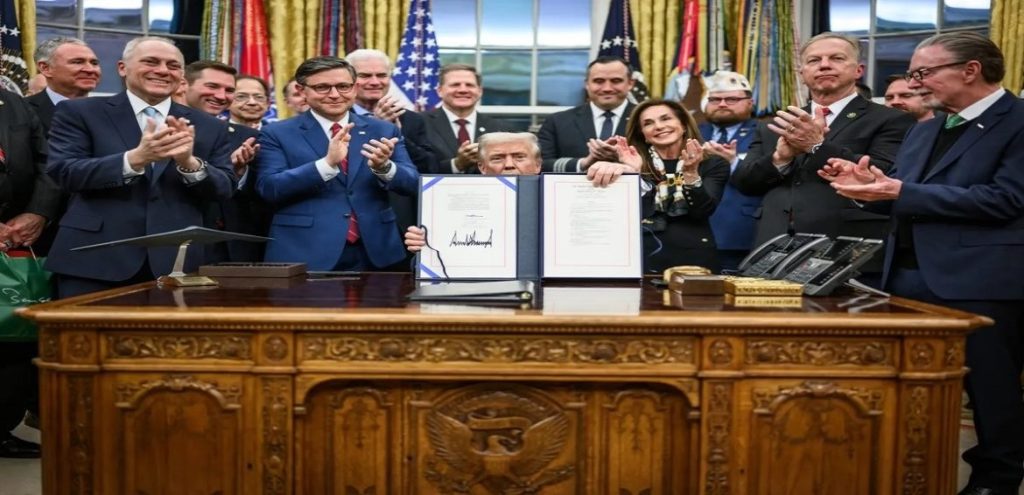
Trump Administration Tightens Immigration: Citizenship and Green Card Applications Frozen
The measures were activated days after a shooting incident in Washington, D.C., in which an Afghan immigrant—resettled in the U.S. under Biden-era programs—was accused of killing a National Guard member and seriously injuring another. The administration used this incident to reinforce its stance on stricter security vetting and the reevaluation of previous refugee and immigrant pathways from high-risk countries.
The Department of Homeland Security stated that these steps aim to ensure that citizenship is granted only to “the best of applicants,” emphasizing that the U.S. will not compromise on national security. This statement has sparked controversy, with attorneys and human rights activists criticizing it as a blanket justification that punishes thousands of law-abiding applicants who have undergone extensive scrutiny.
These developments reflect a tougher approach adopted by the current administration. Trump has announced plans to permanently halt immigration from what he describes as “Third World” countries until the system is reorganized and to revoke what he calls “millions of illegal approvals” issued during the Biden administration. Media reports suggest that the list of restricted countries may expand in the near future.
It remains unclear how these decisions will be implemented, or whether they will face legal challenges, particularly since freezing citizenship applications touches on sensitive judicial and constitutional powers. Analysts predict a wave of lawsuits in the coming months, leaving tens of thousands of families in limbo—caught between past approvals and an uncertain future—making this one of the most complex moments in U.S. immigration history.