James Solomon Elected Jersey City Mayor in Landslide, Promising Bold Affordable Housing Reform
The longtime councilman defeats former Governor Jim McGreevey as affordability, housing, and economic pressure shape voter priorities.

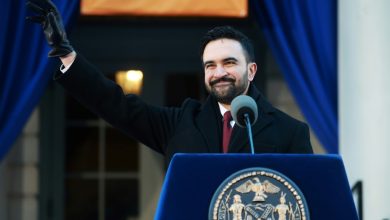
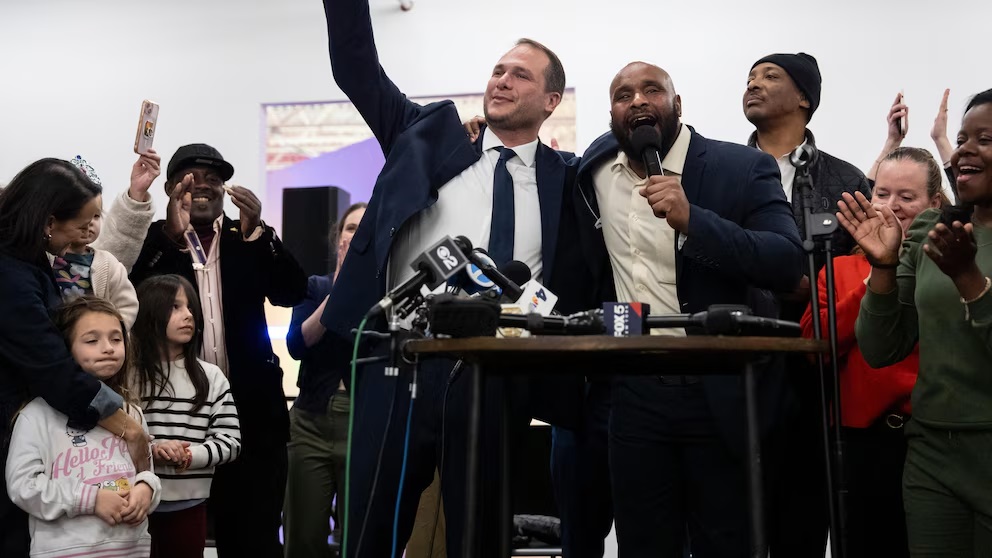
James Solomon has been decisively elected as the new mayor of Jersey City, marking a major political shift in New Jersey’s second-largest city. Solomon, an eight-year Democratic city council member and former educator, defeated former New Jersey Governor Jim McGreevey in a closely watched runoff election held Tuesday evening.
The outcome became clear relatively quickly, as news outlets declared Solomon the winner just 40 minutes after polls closed, based on early results showing him leading by 20 percent with only a portion of the votes counted. This swift call signaled a strong mandate from voters for Solomon’s vision for the city.
Housing Affordability Takes Center Stage in Heated Jersey City Mayoral Race
The race for Jersey City’s highest political office reflected many contemporary elections across the state and the nation, focusing heavily on urgent affordability issues. Throughout their campaigns, Solomon and McGreevey engaged in sharp debates, exchanging heated criticism over their strategies for tackling rising property taxes, escalating rent prices, and a broader set of cost-of-living concerns deeply affecting residents. This emphasis on economic viability and residents’ wellbeing became the defining theme of their contest, resonating with voters facing daily financial pressures.
During his extensive campaign, James Solomon championed a robust housing plan explicitly designed to prioritize the needs of working families, as well as low- and middle-income households, over the interests of major real estate developers. His platform centered on several key pillars meant to promote a fairer housing landscape. Notably, Solomon called for a mandatory 20% allocation of affordable housing units in all new development projects citywide. This measure aimed to ensure that a significant portion of new residences would be accessible to a wider economic range of residents.
In addition, he proposed strict limits on what he described as “overly generous tax abatements” for developers, seeking to curb incentives that often result in luxury projects with little community benefit. The cornerstone of his proposal was a commitment to require that some rental units be offered at truly affordable prices—capped at $1,000 per month—directly addressing the urgent need for low-cost housing options in the urban core.
In the weeks following the November primary and ahead of Tuesday’s decisive runoff, McGreevey repeatedly challenged Solomon’s plan for $1,000-a-month rental units. McGreevey often labeled this part of Solomon’s proposal as “fantasy thinking,” arguing it was unrealistic or unattainable given the economic realities of the housing market.
Solomon’s Win Signals Voter Shift Toward Progressive, Community-Focused Policies
Despite his criticism, McGreevey’s own affordable housing strategy, while acknowledging the need for such initiatives, offered far fewer details. He did, however, express similar support for requiring 20% affordable units in all new developments, signaling a shared understanding of the problem but differing visions on solutions and feasibility.
Solomon’s victory places Jersey City under his leadership, promising a new direction shaped by his commitment to community-centered development and fair living conditions. His campaign resonated strongly with voters eager for concrete solutions to the daily challenges of urban living, especially regarding housing and economic stability.
The election results clearly reflect a desire for progressive policies aimed at protecting and uplifting the city’s diverse population. This local outcome follows a broader pattern of recent political momentum in New Jersey, including Democrat Mikie Sherrill’s decisive 15-point victory over Republican Jack Ciattarelli in the governor’s race last month—a sign of the state’s dynamic political landscape.
Solomon Prepares to Lead Jersey City Amid Ongoing Political Momentum
New Jersey residents and political observers will have only a brief pause from election activity. In less than 70 days, the state’s 11th District primary will take place, an important race to select candidates for Sherrill’s now-vacant congressional seat—adding yet another layer of political energy and anticipation.
James Solomon is scheduled to be sworn in officially as Jersey City’s new mayor on January 1, beginning his term with the responsibility of implementing his ambitious agenda for the city’s future. Attention will now turn to how these campaign promises translate into real policies and improvements for Jersey City residents.
Solomon’s election reinforces a broader trend in urban politics, where social justice and economic access have become increasingly central to successful campaigns. His background as an educator and city council member likely provided him a deep understanding of community needs—an insight he effectively conveyed throughout his mayoral run. As he prepares to take office, all eyes will be on Jersey City to see how its new leadership navigates the complex challenges and opportunities ahead, particularly in fulfilling his promise to deliver a more affordable and livable city for everyone.