Mawlid al-Nabi in the United States: Faith and Tradition
Spiritual Reflection, Charity, and Cultural Traditions in American Cities
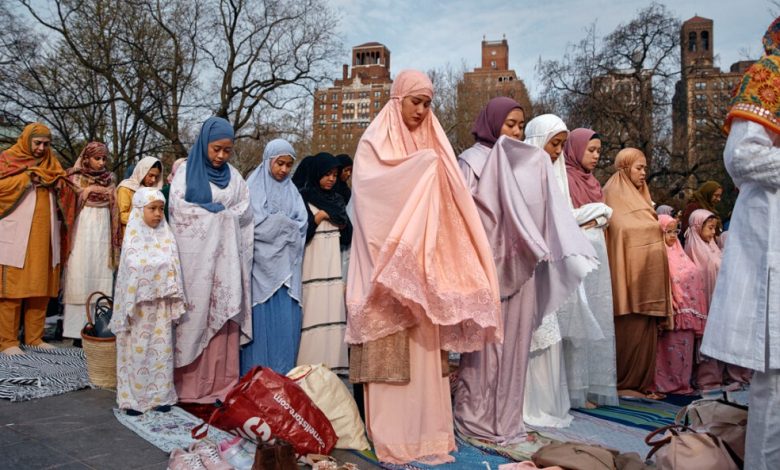
Mawlid al-Nabi, the celebration of the birth of Prophet Muhammad (peace be upon him), holds deep religious and cultural significance for Muslims worldwide. In the United States, where Muslim communities are diverse aMuslims in the U.S. Celebrate Mawlid al-Nabind spread across various cities and states, preparations for Mawlid al-Nabi are both spiritual and social, reflecting a blend of faith, culture, and community engagement.
1. Religious Preparations
Muslims in America focus on deepening their spirituality in the weeks leading to Mawlid al-Nabi. Local mosques and Islamic centers organize lectures and sermons about the Prophet’s life, teachings, and moral values. Families often gather to recite Quranic verses and Na`at (poetry in praise of the Prophet). Some communities hold special prayer sessions and night vigils to honor the occasion, emphasizing reflection on the Prophet’s message of compassion and justice.
2. Community Events and Gatherings
Community centers play a central role in organizing Mawlid celebrations. Events often include Islamic storytelling sessions for children, educational workshops, and interfaith programs to raise awareness about Islamic traditions. Many Arab and South Asian communities host public lectures highlighting the historical and social impact of the Prophet’s teachings. In large cities like New York, Los Angeles, and Chicago, some mosques hold cultural fairs, where families come together to share food, crafts, and cultural displays.
3. Food and Traditional Cuisine
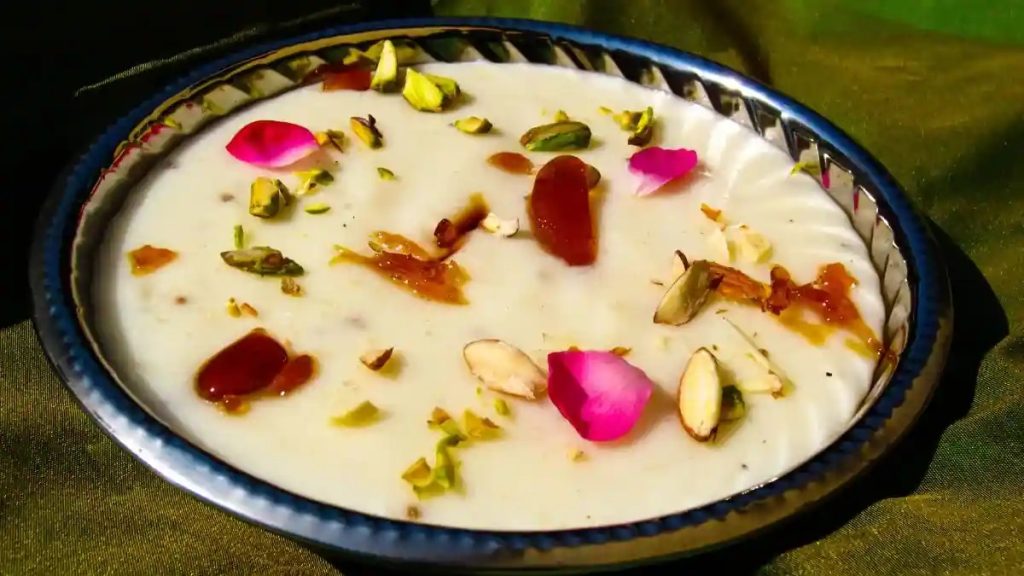
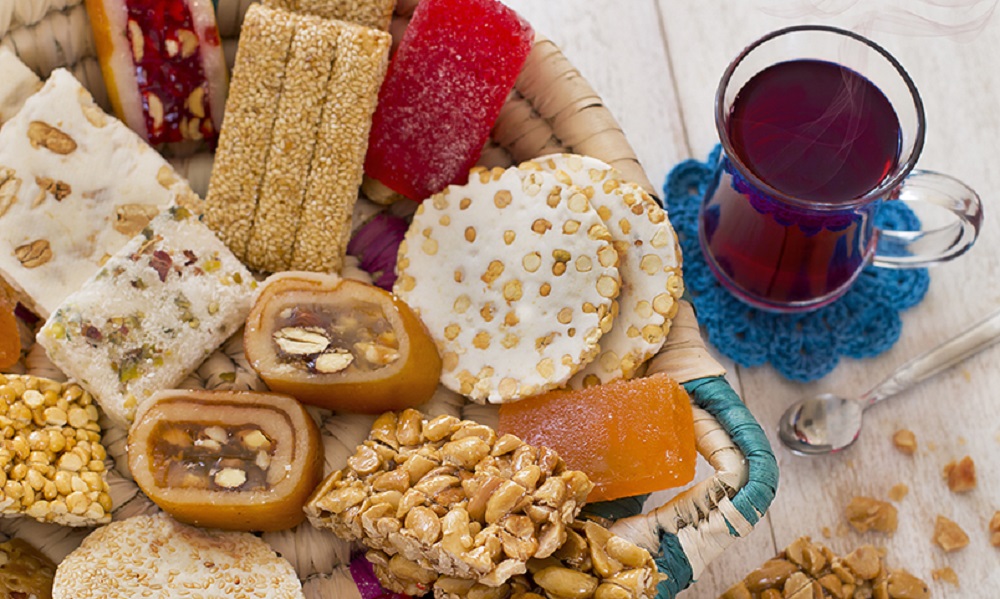
Food is a central part of Mawlid celebrations. Muslims in America prepare a variety of traditional sweets and dishes, depending on their cultural backgrounds. Common treats include maamoul, halwa, baklava, and spiced rice dishes. Families often share meals with neighbors and the wider community, emphasizing hospitality, charity, and togetherness—core values of the Prophet’s teachings.
4. Charity and Acts of Kindness
In line with Islamic principles, many American Muslims dedicate this period to charitable work. Community organizations distribute food to the needy, organize donation drives, and support local shelters. These acts of kindness mirror the Prophet’s emphasis on generosity and social responsibility, turning Mawlid al-Nabi into an opportunity for giving back.
5. Educational Activities for Youth
Many Islamic schools and weekend programs host competitions, art exhibitions, and quiz events related to the Prophet’s life. Youth are encouraged to memorize Hadiths, write essays, or participate in plays that recount historical events. These activities not only educate the next generation about their faith but also strengthen their connection to community traditions in an American context.
Conclusion
Mawlid al-Nabi in America is more than a celebration—it is a period of spiritual reflection, community bonding, and cultural preservation. Through prayers, educational programs, charity, and festive gatherings, Muslims in the U.S. maintain a deep connection to the Prophet’s teachings while creating inclusive and meaningful celebrations adapted to the American social fabric.