New Poll Shows 57% of Americans Believe the U.S. Economy Is Getting Worse Amid Ongoing Government Shutdown
Rising pessimism fueled by inflation, slowing growth, and renewed trade tensions with China as confidence in U.S. economic stability hits its lowest point since 2024.
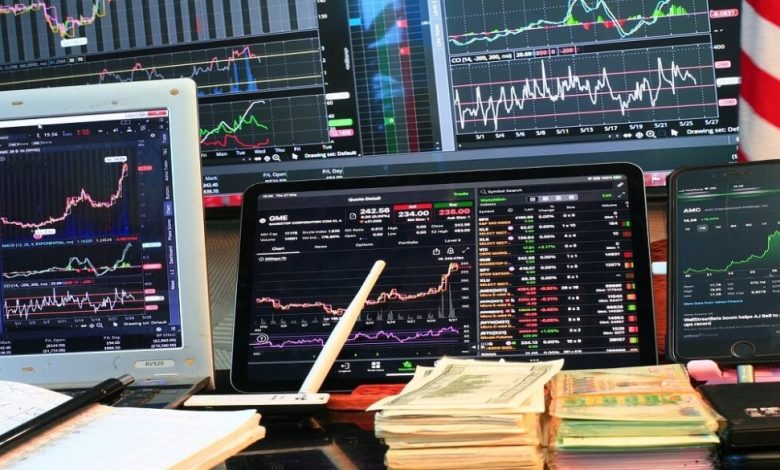
A new survey released this week revealed that 57% of Americans believe the U.S. economy is heading in the wrong direction — the highest level of pessimism in more than a year.
The Economist/YouGov poll, conducted between October 10 and 13, surveyed 1,622 respondents with a margin of error of ±3.5%. According to the findings, only 18% of participants believe the economy is improving, while 21% said it has remained the same. Another 4% expressed uncertainty about the current economic trajectory.
Alan Houston of YouGov told Newsweek that this level of pessimism was last recorded in May 2024, during the final months of former President Joe Biden’s administration.
The downward trend in economic confidence comes as the federal government shutdown enters its third week, compounding concerns about inflation, weak economic growth, and the revival of trade tensions between the United States and China.
Treasury Secretary Scott Bissont stated that the shutdown “has begun to seriously impact the real economy and people’s lives,” highlighting its effects on federal and military employees’ paychecks.
Mark Williams, a lecturer at Boston University’s School of Business, noted that consumer confidence indicators have fallen to new lows. “The U.S. economy is slowing compared to last year,” he said, “and the data shows inflation remains above the Federal Reserve’s target range.”
Williams added that the renewed trade war with China has amplified market uncertainty, leading to stock declines and record-high gold prices, while the Federal Reserve has begun cutting interest rates in an effort to support the struggling labor market.
Meanwhile, Kendall Witmer, Director of Rapid Response for the Democratic Party, blamed President Donald Trump for the current economic instability, saying:“His reckless trade war is imposing heavy costs on working families and driving up prices of essentials — from food to housing and utilities.”
Trump, however, defended his administration’s record, telling reporters:“The previous administration saw the highest inflation rate in our nation’s history. Now, everything is coming down — from grocery prices to everything else.”
Analysts warn that if the government shutdown continues without resolution, public pessimism may deepen, especially among middle- and low-income Americans already facing rising living costs and stagnant wages.