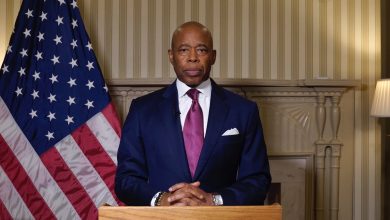
Zahran Mamdani Assembles Core Leadership Team Ahead of Historic New York City Mayoral Term
The mayor-elect appoints veteran public servant Dean Fuleihan as First Deputy Mayor and trusted campaign adviser Elle Bisgaard-Church as Chief of Staff, signaling a pragmatic and strategic administration.
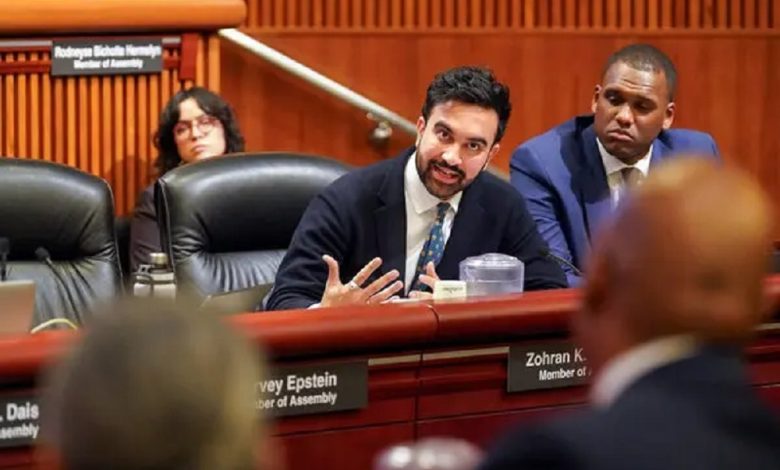
New York City’s mayor-elect, Zahran Mamdani, has announced two key appointments within his executive team, offering a clear indication of the direction his administration will take. Drawing on both deep government experience and trusted campaign expertise, Mamdani is paving the way for his upcoming term at City Hall, which officially begins on January 1.
In a significant move, Mamdani revealed on Monday that Dean Fuleihan will assume the pivotal role of First Deputy Mayor, while Elle Bisgaard-Church has been appointed Chief of Staff. These selections underscore Mamdani’s commitment to building a strong leadership cadre as he prepares to confront New York City’s most pressing challenges.
Dean Fuleihan brings a wealth of experience to the role, often regarded as the second-most powerful position in city government. Widely respected in political and administrative circles, Fuleihan is known for his deep understanding of city and state budgets, his exceptional management skills, and his extensive background in public service. His prior experience as First Deputy Mayor under a previous administration reinforces his credentials and ensures stability and expertise at the heart of Mamdani’s incoming government.
Mamdani Names Chief of Staff as His Administration Takes Shape
Elle Bisgaard-Church, a central figure in Mamdani’s successful primary campaign, will serve as Chief of Staff. Her appointment reflects the mayor-elect’s confidence in one of his closest advisers. During the press conference announcing the appointments, Bisgaard-Church outlined her vision for a City Hall that would be “open, strategically driven, and grounded in pragmatism” under Mamdani’s leadership — offering an early glimpse into the management style expected of the new administration.
These crucial appointments come swiftly — less than a week after Mamdani’s electoral victory and the formation of his transition team. The transition committee itself includes four co-chairs, each bringing diverse governmental experience, suggesting a broad and inclusive approach to the power handover. At just 34 years old, Mamdani is poised to make history as New York City’s youngest mayor in more than a century and its first mayor of Asian and Muslim heritage, reflecting the city’s evolving demographic landscape.
Speaking to reporters, Mamdani expressed full confidence in his newly assembled team, emphasizing that their collective efforts will be central to shaping his administration’s early phase. He stressed that the “first 100 days will be a period of concrete and meaningful action to address the cost-of-living crisis pushing many New Yorkers out of the city.” This puts affordability squarely at the top of his immediate policy agenda.
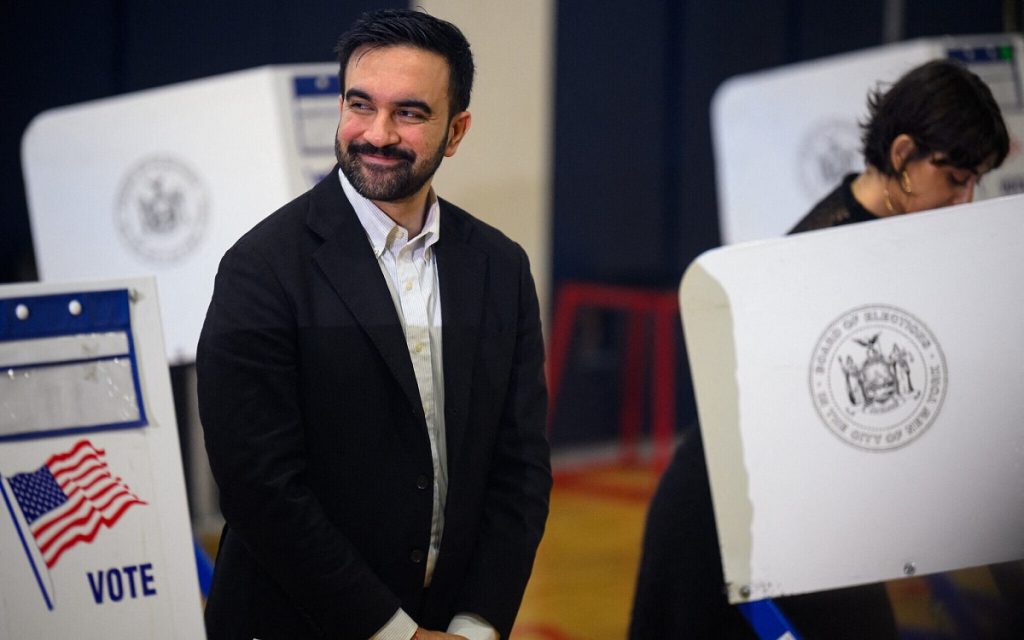
New York City mayor-elect Zahran Mamdani appoints Elle Bisgaard-Church as Chief of Staff, signaling a pragmatic and inclusive start to his historic administration.
Interestingly, earlier reports had indicated that City Comptroller Brad Lander, who competed in the Democratic primary and later endorsed Mamdani, had shown interest in the First Deputy Mayor role. However, new information suggests that Lander is now considering a run for Congress, challenging an incumbent representing parts of Lower Manhattan and Brooklyn — effectively clearing the way for Fuleihan’s appointment.
On other potential appointments, Mamdani hinted at his willingness to retain select officials from the outgoing administration, including the current Police Commissioner, provided their performance has been exemplary. However, the commissioner has yet to confirm whether she will stay in office. The mayor-elect emphasized that all personnel decisions will be made based on proven performance, signaling a pragmatic balance between continuity and reform in city leadership.
The rapid formation of this leadership team highlights Mamdani’s determination to hit the ground running, blending seasoned governance expertise with trusted campaign insight to tackle the complex challenges facing New York City. His early actions point toward a forward-thinking and decisive administration intent on achieving tangible progress.