Yasir Qadhi: The Evolution of a Leading American Muslim Scholar
From Salafi Roots to a Middle-Path Thinker Shaping Islamic Discourse in the United States.

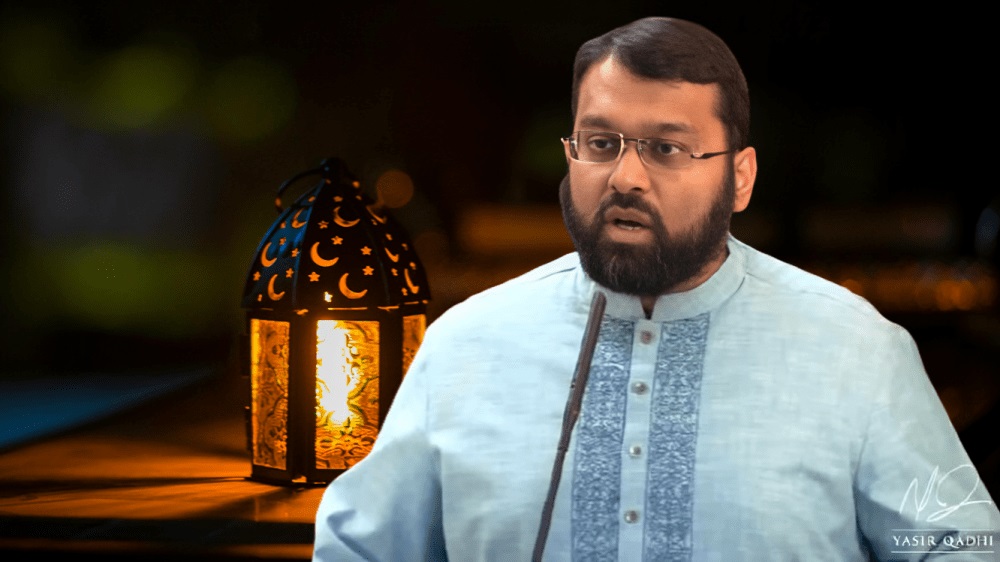
Yasir Qadhi, born in 1975 in Houston to Pakistani Muhajir parents, is one of the most influential American Muslim scholars today. He currently serves as the dean of The Islamic Seminary of America, resident scholar at the East Plano Islamic Center, and chairman of the Fiqh Council of North America.
Raised in Jeddah, Qadhi memorized the Qur’an by age 15 before returning to the United States to earn a chemical engineering degree. He later pursued Islamic studies at the Islamic University of Madinah, earning degrees in Arabic, Hadith, and Islamic Theology. He completed his PhD at Yale University, specializing in the works of Ibn Taymiyyah.
Qadhi’s early career was tied to the Salafi movement, particularly through his long tenure with AlMaghrib Institute. Over time, however, he distanced himself from Salafism and adopted a “Wasati,” or middle-path approach, advocating a balance between traditional scholarship and contemporary realities.
He has lectured widely on theology, jihad, Qur’anic history, and modern Muslim identity. His academic work has included critiques of jihadist misreadings of Ibn Taymiyyah, commentary on Sufi practices, and analysis of the Qur’an’s Ahruf and Qira’at. His 2020 remark about “holes in the narrative” of Qur’anic recitation history sparked major debate, later expanded academically in 2024 through the “Divine Permission Model.”
Qadhi has also faced controversy—ranging from early comments about the Holocaust to statements scrutinized by Western media. He has since clarified and corrected past views, participated in interfaith visits to Auschwitz, and publicly condemned Holocaust denial and extremism. His nuanced positions on LGBTQ issues, Islamic law, and modernity continue to generate discussion within Muslim communities.
Despite public criticism and periodic backlash—most recently in 2025 regarding Western academic skepticism toward hadith sciences—Qadhi remains a leading American Muslim theologian whose work shapes discourse on Islam in the West.