Qastall (Al-Qastall): A Traditional Winter Dish and Its Growing Popularity Among Muslim Communities in the USA
How This Hearty Seasonal Food Became a Comfort Staple for Muslim Families in the United States.
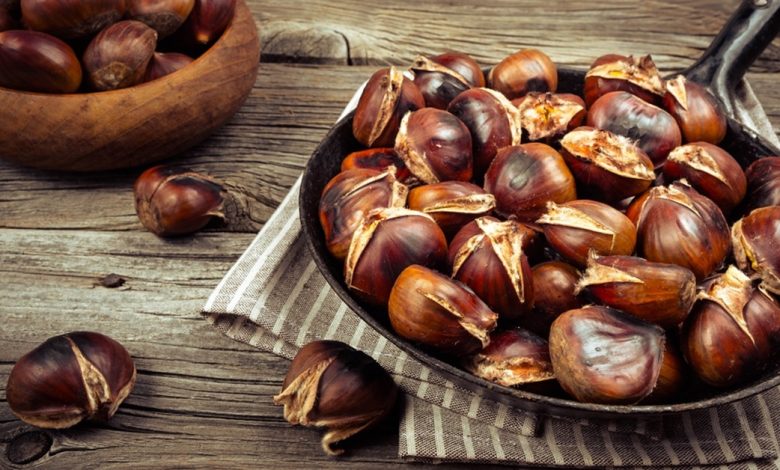
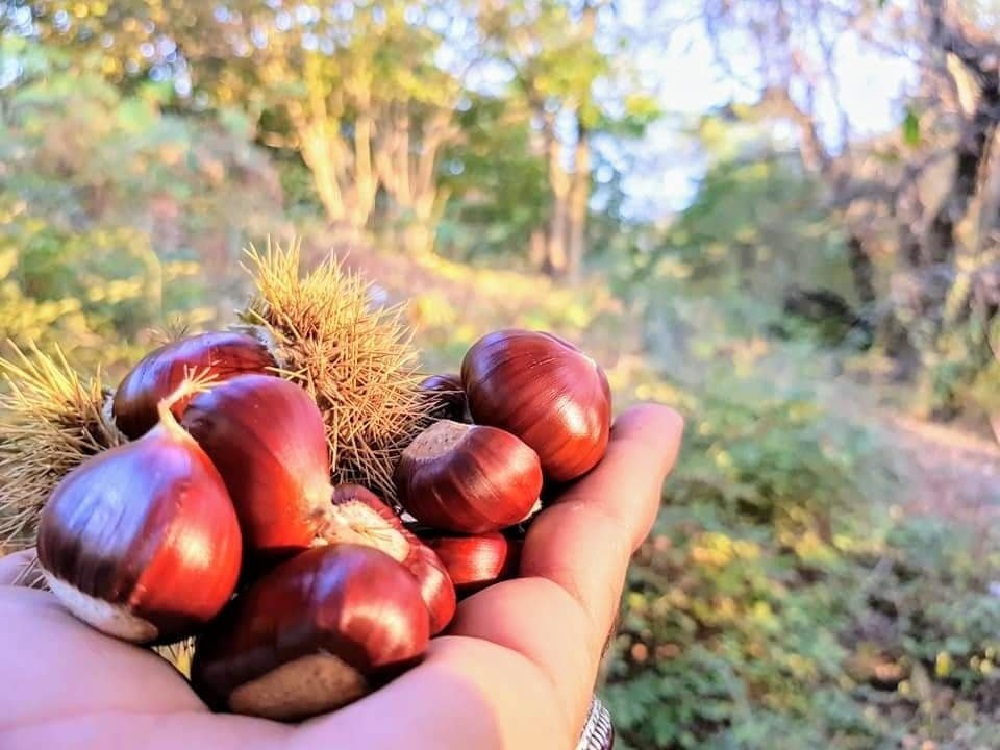
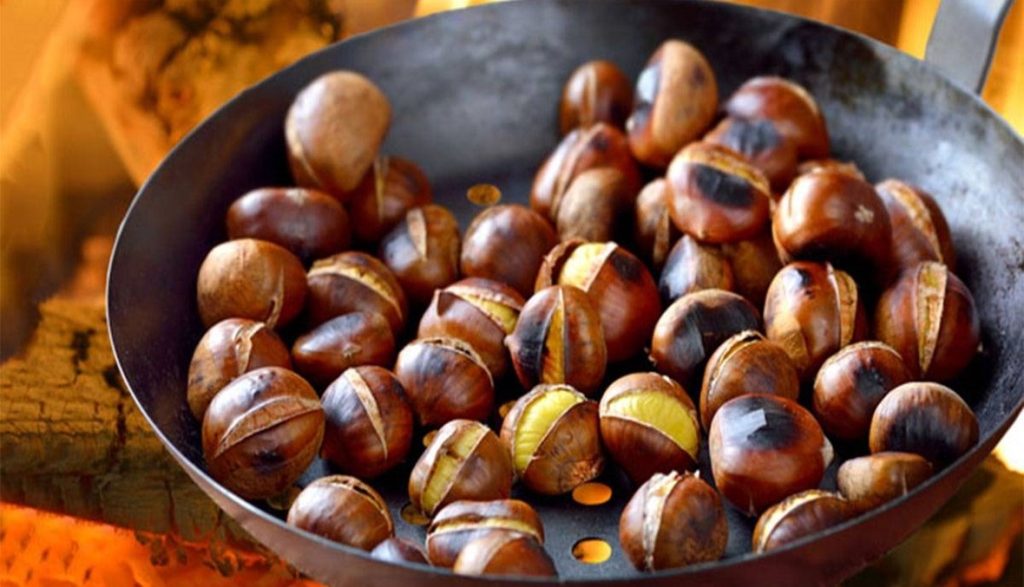
Qastall (القستل) is a traditional winter food known across parts of the Arab and Muslim world as a warming, nourishing dish prepared during cold seasons. It is especially valued for its simplicity, affordability, and ability to provide sustained energy during winter months. Among Muslim communities in the United States, Qastall continues to hold cultural significance as a reminder of home, heritage, and seasonal traditions.
Cultural Origins and Meaning
Qastall is closely associated with wintertime cooking, when families traditionally rely on hearty foods made from grains, legumes, and simple halal ingredients. Historically, it was prepared in rural and urban households alike as a practical response to cold weather and limited seasonal produce.
For many Muslims, Qastall is more than a meal—it represents family gatherings, oral tradition, and intergenerational knowledge, often passed down from grandparents to younger generations.
Ingredients and Preparation Style
While recipes may vary by region and family, Qastall is typically made using locally available, halal ingredients, making it adaptable for Muslim households in the United States.
Common Ingredients
-
Whole grains or cracked wheat
-
Chickpeas or lentils
-
Onions and garlic
-
Olive oil or clarified butter
-
Mild winter spices
The dish is usually slow-cooked, allowing flavors to deepen and creating a thick, comforting texture ideal for cold weather.
Why Qastall Is Considered a Winter Food
Qastall is traditionally associated with winter because it:
-
Provides long-lasting energy
-
Helps maintain body warmth
-
Uses shelf-stable ingredients suitable for cold seasons
-
Is easy to prepare in large quantities
These qualities make it especially appealing to families seeking nutritious halal meals during winter.
Popularity Among the Muslim Community in the United States
Among Muslim communities in the U.S., Qastall is primarily prepared at home rather than found in restaurants. It is especially common among:
-
First-generation immigrants
-
Elder family members preserving culinary traditions
-
Families seeking traditional halal comfort food
In cities with large Muslim populations—such as Dearborn, New York, Chicago, and parts of California—Qastall is often prepared during winter gatherings, cultural events, and family weekends.
While it may not yet be mainstream in American halal restaurants, interest in traditional and heritage-based Muslim foods has increased, helping preserve dishes like Qastall within diaspora communities.
Qastall and Cultural Identity
For Muslim Americans, especially immigrants and their children, preparing Qastall serves as a way to:
-
Maintain a connection to cultural roots
-
Teach younger generations about traditional foods
-
Reinforce halal dietary values
-
Create a sense of belonging during winter months
Food plays a vital role in preserving identity, and Qastall remains a symbol of warmth, resilience, and continuity.
Future Outlook
As interest grows in heritage foods, halal traditions, and winter comfort meals, dishes like Qastall may gain wider recognition. Community food blogs, cultural festivals, and home-based halal cooking content are helping introduce traditional winter dishes to broader audiences in the United States.
Conclusion
Qastall (Al-Qastall) remains a meaningful winter dish among Muslim communities in the United States. Though mostly prepared at home, its cultural importance, nutritional value, and seasonal relevance continue to make it a cherished part of Muslim winter food traditions. As Muslim food culture gains greater visibility in America, Qastall stands as a reminder of how traditional dishes preserve identity and community across generations.