Lara Bedewi: An Arab American Filmmaker Preserving Memory, Identity, and Belonging Through Storytelling
How a Philadelphia-Based Multimedia Artist Uses Film to Explore Arab American Girlhood, Palestinian Identity, and Cultural Memory.
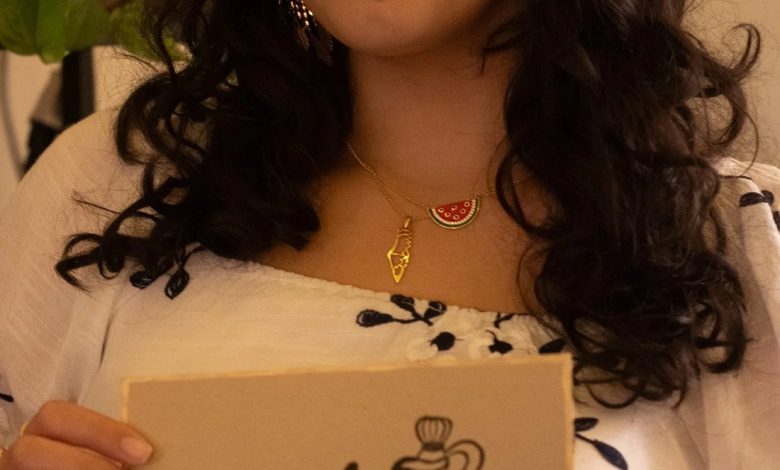
For Philadelphia-based multimedia artist and filmmaker Lara Bedewi, becoming an artist never felt like a choice—it felt written. When asked if she always knew she would pursue art, one Arabic word comes to mind: مكتوب (maktoub)—“it is written.” Her creative path, she says, was foreshadowed early in childhood, beginning with a homemade guitar crafted for a school project and evolving into photography and, ultimately, filmmaking.
Storytelling surrounded Bedewi long before she picked up a camera. Her family expressed creativity through many forms: a mother trained in architecture and interior design, a grandfather known for reciting Arabic poetry at weddings, and a father who often reflected that, had he not become a mechanical engineer, he might have been a painter. Art, memory, and narrative were embedded in everyday life.
Telling Arab American Stories From the Inside
By high school, Bedewi knew she wanted to tell stories—specifically stories about Arab American girlhood, identity, and emotional truth. Her early short documentary, Hidden Treasures of Egypt, filmed while visiting her father’s family, already revealed a mature artistic voice. The film offered an intimate portrayal of everyday Egyptian life, documenting local workers and elders while acknowledging the political and social aftermath of the 2011 Egyptian Revolution.
What stood out was Bedewi’s refusal to reduce Arab characters to political symbols. Even in her earliest work, she allowed people to exist fully and humanly, without being framed solely as arguments or explanations for Western audiences.
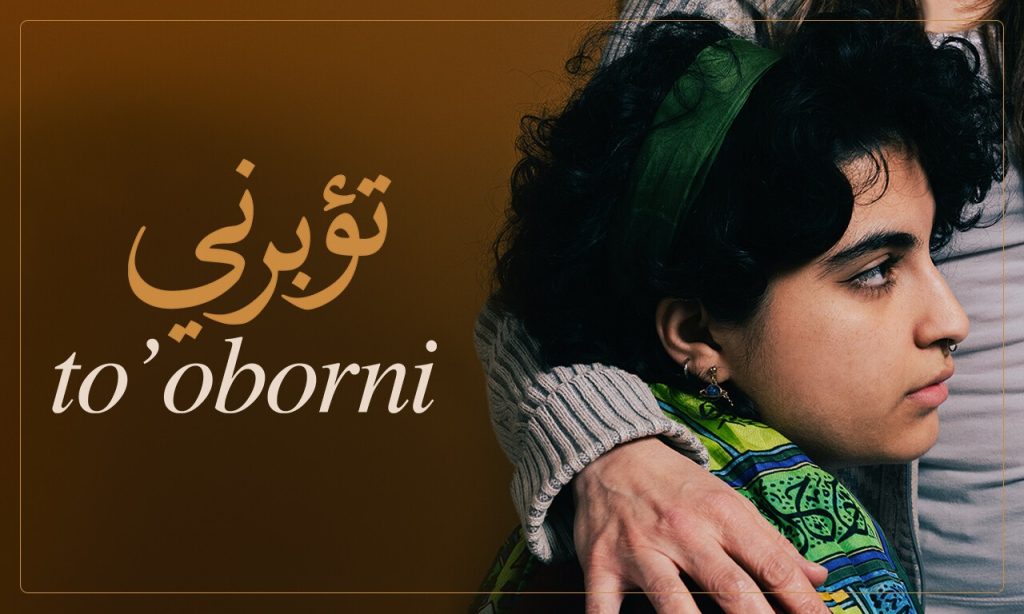
“To’oborni”: Intimacy, Tradition, and Multigenerational Identity
This approach continued in her 2023 short film To’oborni, an Arabic expression roughly translating to “may you bury me,” but commonly understood as a phrase of deep devotion—may I never live without you. The film, an official selection at the Arab Film and Media Institute’s Arab Film Festival, follows a young Arab American woman navigating tradition, family expectations, and selfhood during the preparation of a family dinner.
Through quiet moments—rolling grape leaves with her grandmother, negotiating clothing expectations with her mother—the film becomes a tender, slice-of-life exploration of belonging across generations. Rather than explaining Arab culture, Bedewi focuses on emotion and familiarity.
“I’m not interested in educating or convincing people,” Bedewi explains. “I’m interested in capturing a feeling.”
Culture as Love, Not Performance
Bedewi’s films feel deeply personal because they are rooted in love rather than display. Her home reflects this devotion: tatreez embroidery on the walls, Palestinian symbolism in everyday objects, Arabic literature on her nightstand. She has hosted teach-ins on Palestinian history and regularly sells hand-crafted art—featuring olive oil, za’atar, and Palestinian imagery—to raise funds for Gaza.
This commitment is inseparable from her family history. Much of her maternal family was displaced from Palestine in the 1940s and 1950s, later settling in Lebanon, Greece, and eventually the United States. The loss of home also meant the loss of photographs and archives—making the few remaining images priceless. That absence shapes Bedewi’s work, where memory often exists through fragments, stories, and inherited longing.
Documenting Inheritance and the “Third-Culture” Experience
In her documentary Confessions of the Family Torchbearer, Bedewi turns the camera toward herself, her mother, and her grandmother, blending personal footage with archival material. The film reflects pride in heritage while grappling with the complexities of diaspora identity.
Like many Arab Americans, Bedewi has struggled with feeling “too Arab to be American, and too American to be Arab.” Discovering the term “third-culture kid” helped articulate that liminal space. Moments of vulnerability—such as being subjected to airport scrutiny as a young girl—highlight how surveillance and identity intersect in Arab American life, particularly for women.
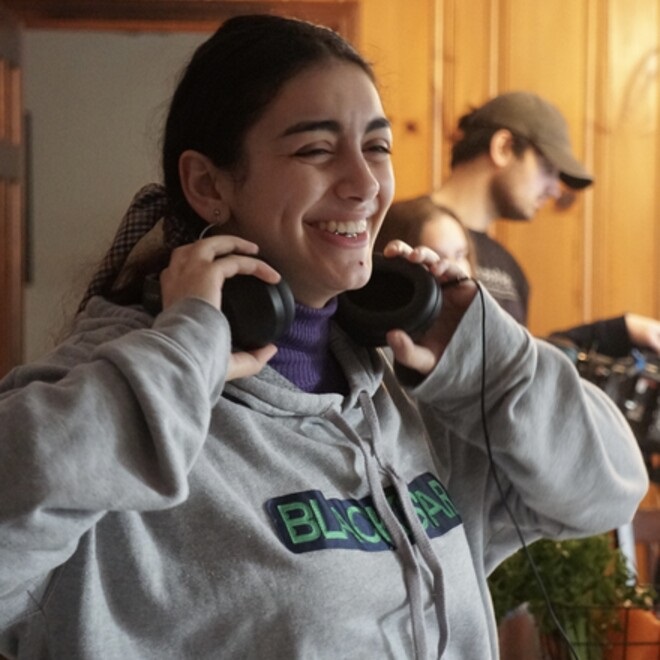
“Daughters of the Fig”: Memory, Homeland, and Loss
Bedewi’s upcoming film, Daughters of the Fig, is her most personal project to date. The film follows a Palestinian American woman navigating dreamscapes and family archives to understand homeland and identity. Inspired by Bedewi’s relationship with her late grandfather, the project explores how memory survives through stories, songs, and imagination.
The film is produced through Albi Productions, Bedewi’s newly founded production company, and reflects her belief that storytelling can reclaim, preserve, and honor what displacement has taken away.
Beyond “Perfect Victims”: Redefining Arab Cinema
Working with Watermelon Pictures, a Chicago-based production and distribution company uplifting Palestinian and Arab voices, reinforced Bedewi’s rejection of restrictive narratives.
“There’s this expectation that Arab or Palestinian films must center suffering,” she says. “But we deserve to tell all kinds of stories.”
This philosophy has empowered Bedewi to tell one Arab story—not the Arab story. Her work insists on emotional specificity over representation, intimacy over explanation.
Conclusion
Lara Bedewi’s filmmaking is an act of cultural preservation, emotional truth, and resistance to simplification. Through deeply personal narratives, she demonstrates that memory is not only lived—it is inherited. In her hands, storytelling becomes a way to remain connected to people, places, and homelands that physical borders cannot erase.