Tunisian Lablabi: A Traditional Chickpea Soup Gaining Popularity in the United States
Ingredients, Health Benefits, and the Growing Presence of Lablabi in American Cities.
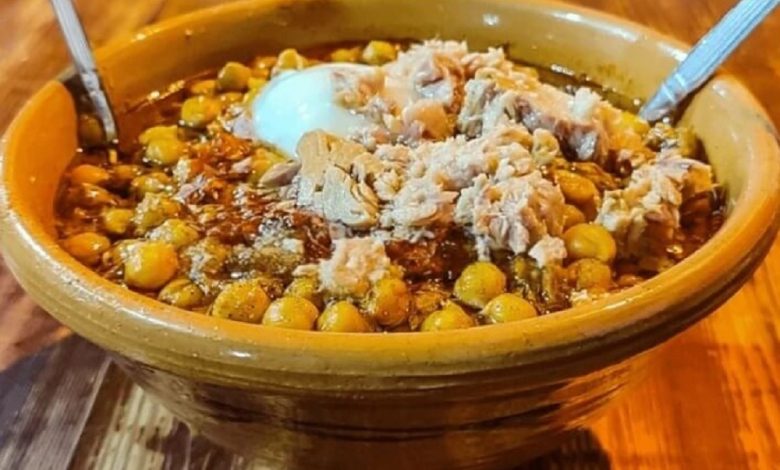
Tunisian lablabi is one of the country’s most iconic traditional winter dishes, known for its simplicity, warmth, and deep cultural roots. Originally a humble street food sold in Tunisian markets during cold mornings, lablabi has evolved into a beloved comfort meal enjoyed at home and increasingly abroad—especially within Tunisian and North African communities in the United States.
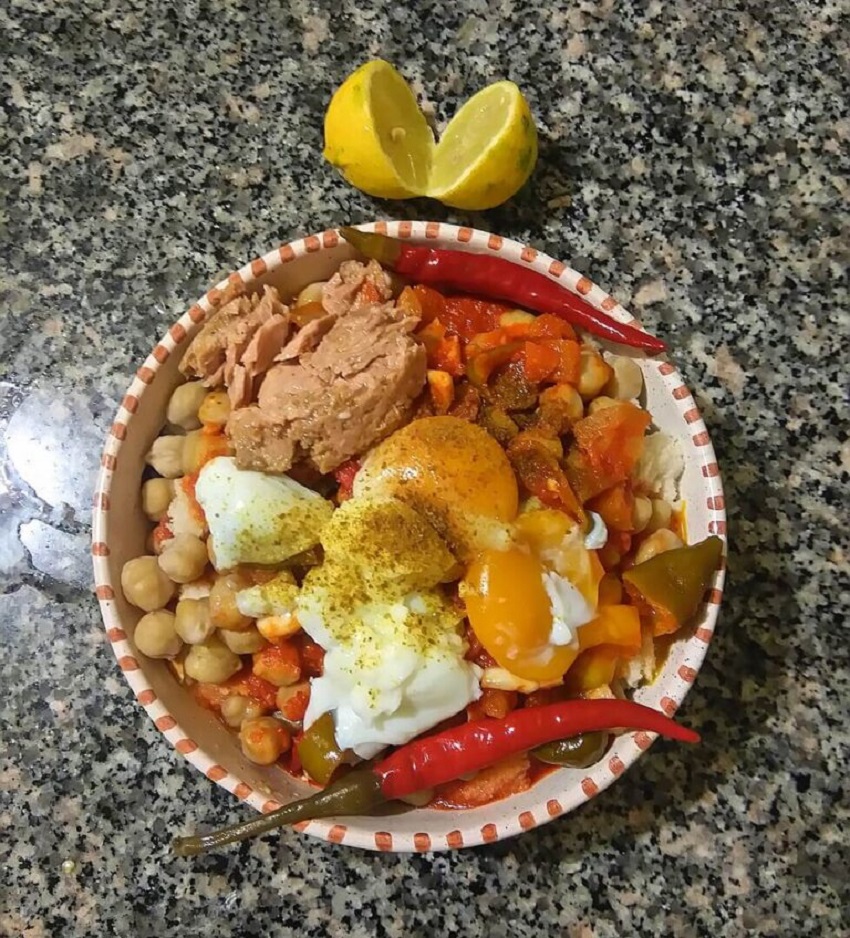
The dish is centered around slow-cooked chickpeas, served in a flavorful broth seasoned with garlic, cumin, olive oil, and harissa. It is traditionally poured over pieces of stale bread and topped with optional ingredients such as soft-boiled eggs, tuna, olives, capers, or pickled vegetables. This layered preparation gives lablabi both its distinctive texture and its ability to be customized to taste.
In the United States, lablabi has gained visibility in cities with sizable North African populations such as New York, Chicago, Los Angeles, and Dearborn. It appears on the menus of Arab cafés, food pop-ups, and cultural festivals, often introduced as a winter specialty or comfort soup. Its vegan-friendly base has also helped it appeal to broader American audiences interested in plant-based and Mediterranean diets.
More than just a meal, lablabi serves as a cultural anchor for Tunisians in the diaspora. Preparing and sharing the dish during cold months, Ramadan evenings, or community gatherings helps preserve culinary heritage and maintain a connection to home. As interest in traditional global comfort foods continues to grow, Tunisian lablabi is steadily finding its place within America’s diverse food landscape.