Tunisian Chefs in the United States Are Redefining North African Cuisine
How Tunisian cuiHow Tunisian cuisine is gaining visibility through chefs, restaurants, and pop-ups across Americasine is gaining visibility through chefs, restaurants, and pop-ups across America
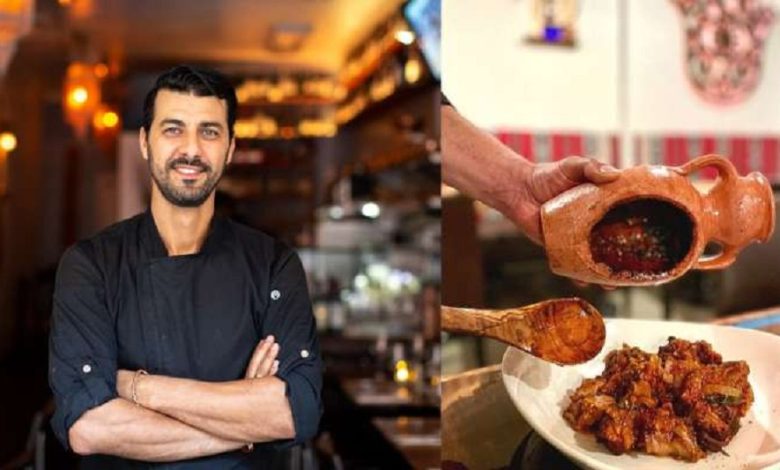
Tunisian chefs across the United States are playing a growing role in introducing American diners to one of North Africa’s most distinctive culinary traditions. Rooted in Amazigh, Arab, Ottoman, Andalusian, and Mediterranean influences, Tunisian cuisine is known for its bold spices, olive oil–based cooking, and balance between heat and depth of flavor. In recent years, chefs from Tunisia have begun carving out space in the U.S. food scene, blending authenticity with adaptation while preserving cultural identity.
Preserving Tradition Through Food
Many Tunisian chefs in the United States see cooking as an act of cultural preservation. Dishes such as couscous, ojja, lablabi, brik, and slow-cooked stews are prepared using techniques passed down through generations. Harissa—Tunisia’s iconic chili paste—often takes center stage, used carefully to showcase flavor rather than overpower the dish. These chefs frequently source high-quality olive oil, spices, and semolina to maintain traditional textures and tastes.

Adapting to American Palates
While authenticity remains central, Tunisian chefs often adapt presentation and spice levels to meet American dining expectations. Fine-dining interpretations of street foods like brik or lablabi are increasingly common, as are fusion menus that pair Tunisian flavors with Mediterranean or contemporary American styles. This approach allows chefs to reach wider audiences while still educating diners about Tunisian food culture.
Restaurants, Pop-Ups, and Catering
Tunisian cuisine in the United States is often introduced through small restaurants, food pop-ups, farmers’ markets, and private catering. These formats allow chefs to experiment, tell personal migration stories, and connect directly with customers. Community events, cultural festivals, and Ramadan dinners have become important platforms for showcasing Tunisian food beyond traditional restaurant spaces.
Representation and Culinary Visibility
Despite Tunisia’s rich culinary heritage, Tunisian chefs remain underrepresented compared to other Middle Eastern and North African cuisines in the U.S. However, visibility is growing through food media, social platforms, and chef-led storytelling. By emphasizing regional diversity—from coastal seafood dishes to inland wheat-based meals—Tunisian chefs challenge stereotypes and expand public understanding of North African cuisine.
The Future of Tunisian Cuisine in America
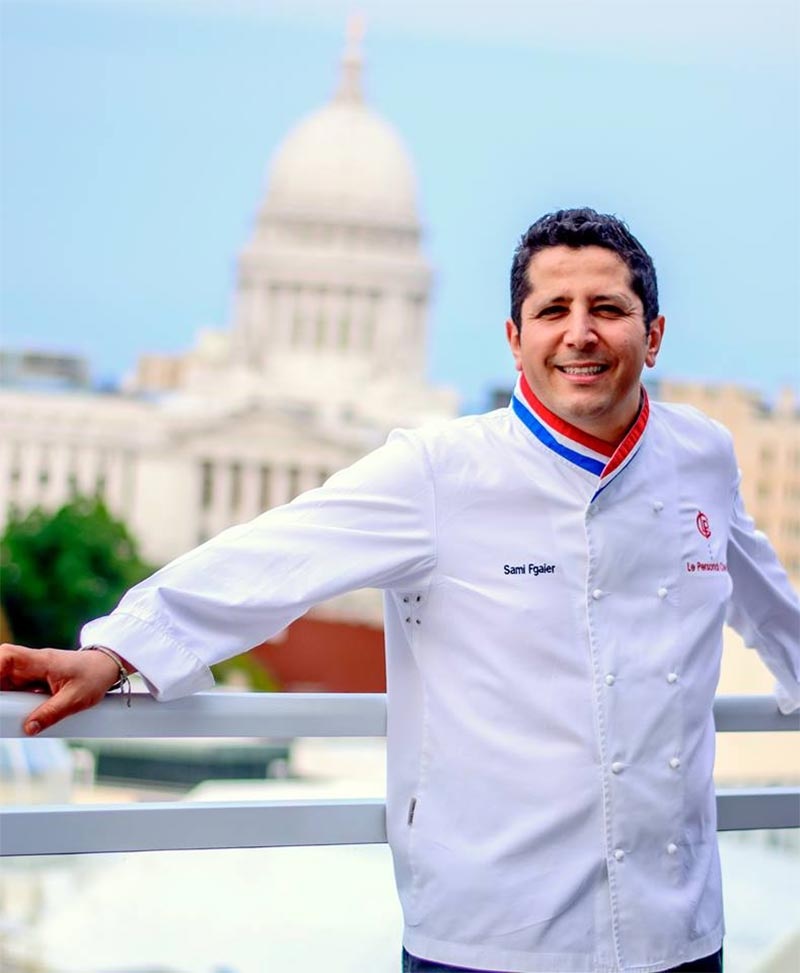
As interest in regional and heritage cuisines continues to grow, Tunisian chefs are well positioned to gain broader recognition. Younger chefs, in particular, are using social media, collaborations, and modern branding to bring Tunisian flavors into mainstream conversations. Their work not only introduces new tastes but also strengthens cultural connections between Tunisia and its diaspora communities in the United States.