Tunisian Barley Bread: History, Health Benefits, and Traditional Baking
From ancient farming traditions to modern wellness kitchens
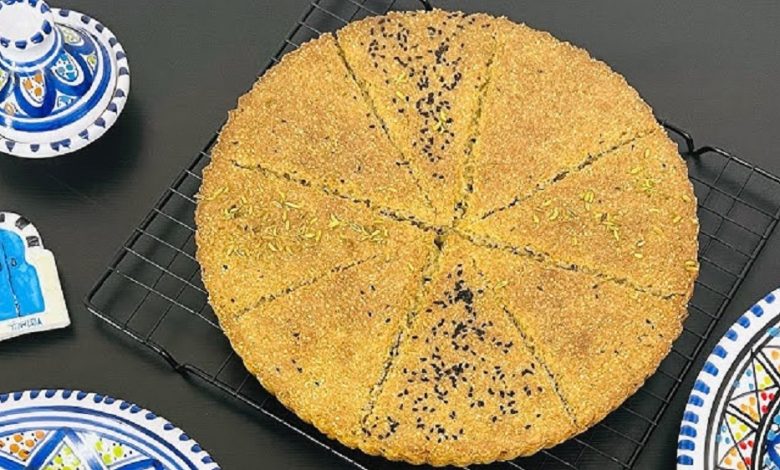
Tunisian barley bread is one of the oldest and most authentic foods in Tunisia’s culinary heritage. Long before refined wheat flour became dominant, barley was a staple grain, especially in rural and semi-arid regions. Barley bread was not simply a substitute for wheat bread—it was a cornerstone of daily nutrition, deeply tied to land, labor, and tradition.
Historical Roots
Barley has been cultivated in Tunisia since ancient times, particularly in the northwestern and central regions where rainfall is limited. Its resilience to drought made it a strategic crop for farmers, and barley flour became essential for bread-making among rural communities. For generations, barley bread symbolized self-sufficiency and survival.
Traditional Preparation
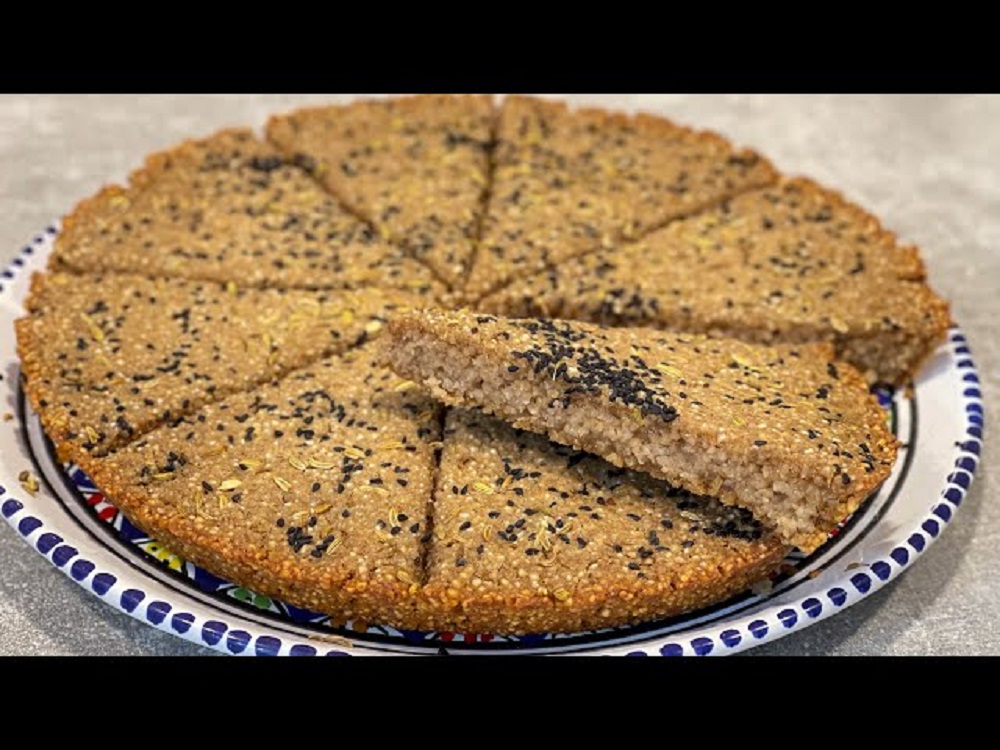
Tunisian barley bread is typically made from whole barley flour mixed with water and salt, sometimes naturally fermented or lightly leavened. It is traditionally baked in a tabouna (a clay oven) or on a hot metal plate. The result is a dense, hearty loaf with a rustic texture and an earthy, slightly nutty flavor.
Nutritional and Health Benefits
Barley bread is rich in dietary fiber, making it beneficial for digestion and prolonged satiety. It has a lower glycemic index than refined white bread, which makes it a preferred option for people managing diabetes or following healthier diets. Its nutritional profile aligns closely with modern recommendations for whole-grain consumption.
Cultural and Social Significance
Beyond nutrition, barley bread holds a strong cultural meaning in Tunisia. It is associated with rural life, agricultural seasons, and periods of economic hardship, when communities relied on locally grown grains. Traditionally, it is eaten with olive oil, harissa, or fermented dairy products, forming a simple yet balanced meal.
A Modern Revival
In recent years, Tunisian barley bread has experienced a revival as interest grows in traditional foods and natural, unprocessed ingredients. It is now featured in artisanal bakeries, organic markets, and health-focused kitchens, representing a renewed appreciation for Tunisia’s culinary heritage and sustainable food practices.