Shorbat El Sha‘ir: Tunisia’s Barley Soup and Its Ramadan Heritage
A humble yet nourishing soup that reflects Tunisia’s culinary history, fasting traditions, and rural roots
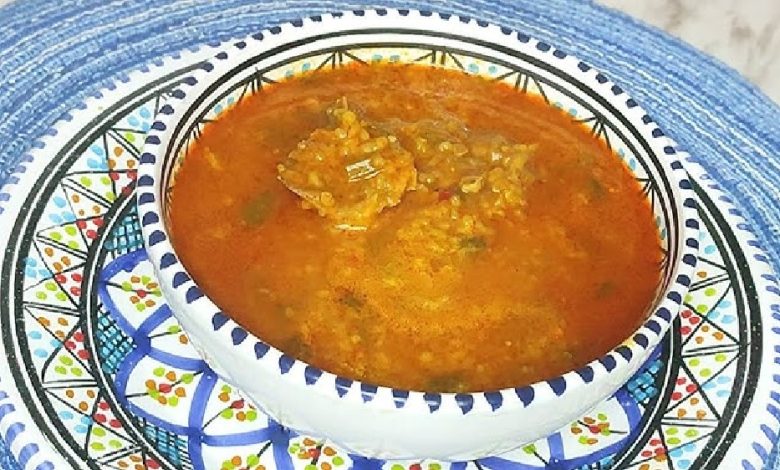
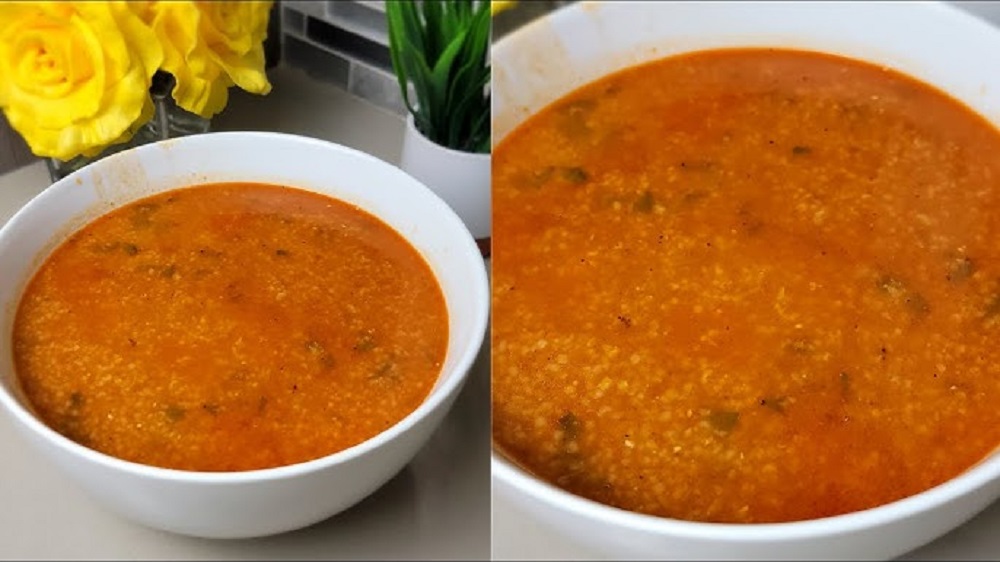
In Tunisia, Shorbat El Sha‘ir (Tunisian barley soup) holds a special place on the Ramadan table. While shorba frik (made with cracked wheat) is more widely known, barley soup remains a deeply traditional dish, especially in rural regions, southern Tunisia, and older urban households, where it is valued for its nourishment, simplicity, and historical roots.
Barley has long been a staple grain in Tunisian food culture, particularly in times of hardship and fasting. During Ramadan, barley soup is appreciated for being light on the stomach yet filling, making it ideal for iftar after a long day of fasting. Its slow-digesting nature helps restore energy without overwhelming the body.
Ingredients and Preparation
Tunisian barley soup is typically made using pearled barley or finely ground barley, simmered slowly to achieve a smooth, comforting texture. The base often includes:
-
Olive oil
-
Onion and garlic
-
Tomato paste or fresh blended tomatoes
-
Spices such as tabil, black pepper, and coriander
-
Sometimes dried mint or caraway
Depending on the household, the soup may be prepared with lamb or beef, or kept meatless, especially on lighter fasting days. Some families enrich it with chickpeas, while others prefer a minimalist version that highlights the barley itself.
The soup is cooked gently over low heat, allowing the barley to soften and thicken naturally. The result is a warm, earthy dish with a mild flavor that pairs perfectly with dates, brik, and fresh bread at iftar.
Cultural and Nutritional Significance
Beyond taste, barley soup carries nutritional and symbolic importance. Barley is rich in fiber, helps regulate blood sugar, and supports digestion—qualities that align well with the needs of fasting individuals. For this reason, many Tunisians consider it a “healing” or restorative soup, especially for elders.
Culturally, Shorbat El Sha‘ir reflects Tunisia’s agrarian heritage, when barley was widely cultivated and relied upon during droughts or lean years. Serving it during Ramadan is a reminder of humility, gratitude, and connection to ancestral food traditions.
A Dish of Memory and Continuity
Today, while modern Ramadan tables often feature a wide variety of dishes, barley soup remains a symbol of authentic Tunisian home cooking. For many families, it evokes memories of grandmothers, village kitchens, and simpler times when food was prepared with patience and intention.
Shorbat El Sha‘ir is not just a soup—it is a quiet expression of Tunisian identity, passed down through generations and renewed every Ramadan.