Trump Claims Birthright Citizenship Was Intended Only for Children of Freed Slaves
A Supreme Court showdown looms as Trump’s executive order seeks to redefine a 150-year-old constitutional guarantee.
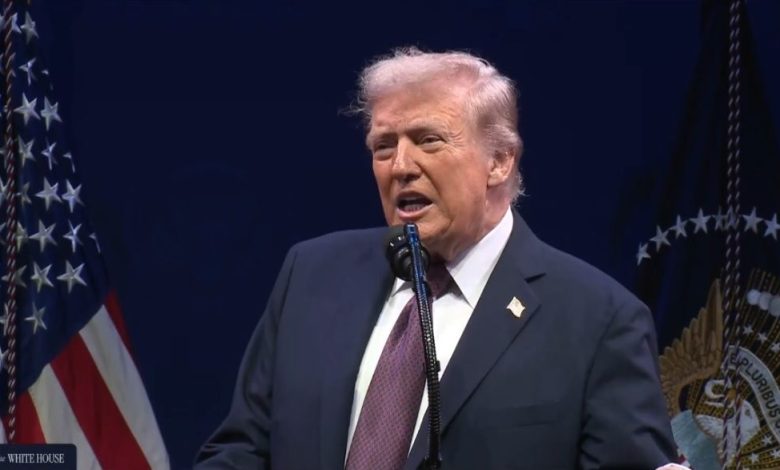
As the United States braces for one of the most consequential constitutional battles in modern history, former President Donald Trump is doubling down on his effort to end birthright citizenship. In a recent interview with Politico, Trump argued that the 14th Amendment was originally designed “only for the children of slaves,” not for the children of undocumented immigrants or temporary residents.
His comments come as the Supreme Court prepares to evaluate the legality of his 2025 executive order—an unprecedented move that challenges more than a century and a half of established citizenship law.
Trump’s Argument: A Reconstruction-Era Amendment Misapplied Today
Trump insists that the 14th Amendment, ratified after the Civil War, was created solely to ensure citizenship for children of freed slaves. By his interpretation, the amendment was never intended to apply to:
-
Children of undocumented immigrants
-
Children of foreign nationals visiting the U.S. temporarily
-
Families engaging in what he calls “birth tourism”
He warned that if the Supreme Court strikes down his executive order, it would be “devastating,” claiming the U.S. cannot sustain “tens of millions” who have acquired citizenship through birth on U.S. soil.
Legal Scholars Push Back
Constitutional experts counter that the amendment’s wording is intentionally broad and has been consistently interpreted for over 150 years to include anyone born in the United States, regardless of their parents’ immigration status. They emphasize that Trump’s interpretation contradicts decades of legal precedent, including the landmark 1898 United States v. Wong Kim Ark ruling that affirmed birthright citizenship.
The Court’s upcoming decision will determine whether a president has the authority to overwrite this constitutional protection through executive action—something legal scholars widely question.
A Decision That Could Redefine Citizenship
The Supreme Court is set to hold hearings between February and April 2026, with a final ruling expected by June. The implications are enormous:
-
Millions of children born to noncitizen parents could lose automatic citizenship
-
A new category of stateless individuals could emerge
-
Immigration enforcement, benefits eligibility, and constitutional law would be fundamentally reshaped
According to Raw Story, if Trump prevails, the ruling could even cast doubt on the citizenship of people already born in the U.S.—though Trump claims he is not considering retroactively stripping citizenship.
A Potential Legal and Humanitarian Crisis
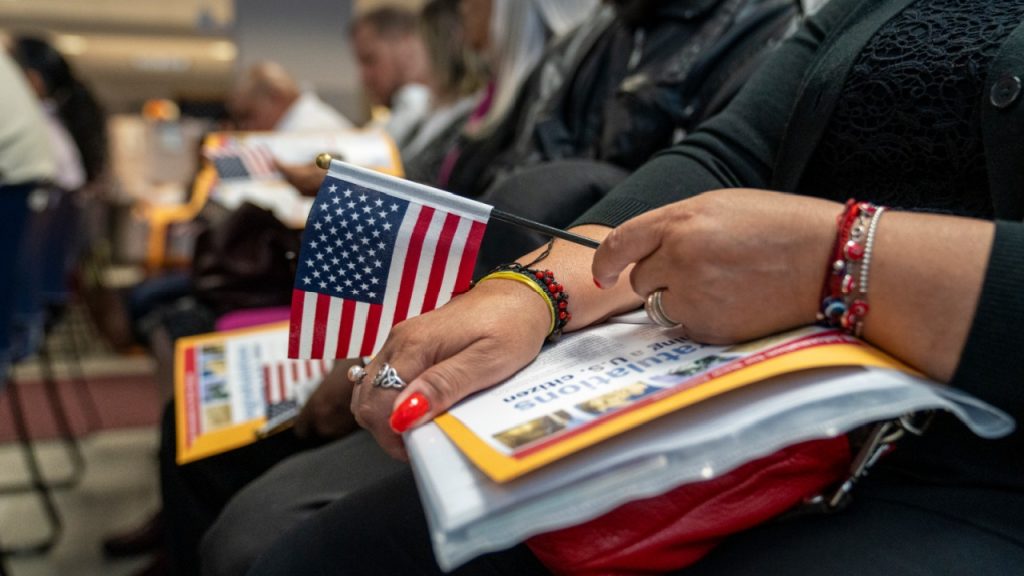
Civil rights organizations warn that ending birthright citizenship would plunge the country into legal uncertainty and humanitarian chaos. Hospitals, states, and federal agencies could face conflicting rules about who qualifies as American.
As the nation awaits the Court’s historic ruling, the debate underscores deep divisions over immigration, constitutional interpretation, and the future of American identity.