Seniors Lead Walking Audits to Improve NYC’s First Permanent Open Street
Community feedback highlights safety, accessibility, and design improvements for Jackson Heights’ 34th Street.
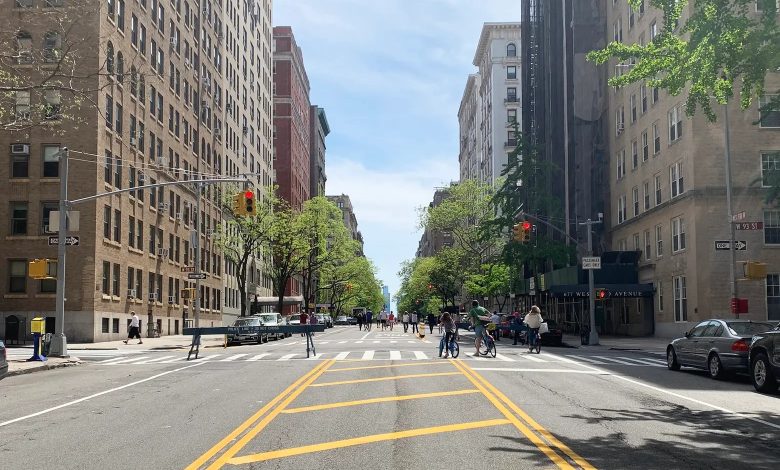
A recent initiative led by senior residents in Queens has revealed key improvements needed for New York City’s first permanent and pioneering “Open Street” on 34th Street in Jackson Heights. Through organized “walking audits,” older adults provided valuable feedback to the city’s Department of Transportation, highlighting areas that must be improved to ensure the space is truly accessible and enjoyable for all members of the community.
The 1.3-mile stretch of street between 69th and 96th Streets, designated as a permanent open street after being created during the pandemic, underwent a detailed review by local seniors.
An organization dedicated to senior services led a series of five group walking audits from July to November, during which participants carefully evaluated walkability and overall user experience. Their findings produced several key recommendations aimed at improving this vital public space.
Among the main concerns raised by seniors were confusing and inconsistent traffic signs along the street. Participants noted that bike lanes, for example, frequently switched locations from the center of the street to the sidewalk and varied in their visual markings: some were painted green while others were not. This lack of consistency can cause confusion and potential safety issues for both pedestrians and cyclists. In addition, the absence of enough trash bins and public benches was a common complaint, affecting comfort and usability for those using the long corridor.
Residents also expressed concern about motorized two-wheeled vehicles, such as motorcycles and mopeds, which frequently cross the open street. Paul Heiliger, a senior resident who took part in several audits, shared his observation: “There are too many motorcycles and things going through there that bothered me. The bike lanes changed from block to block, but I was more worried about how many motorized two-wheelers were passing through.” This highlights the need for better monitoring and enforcement to maintain the car-free nature of the street during designated hours.
While seniors recognized positive aspects of the open street—such as providing safe spaces for walking and running—some expressed reservations about its extended length. Esther Corrington reflected on this balance: “I love the idea that people have space to walk safely, run safely, and so on. I’m not sure it needs to be 26 blocks. I don’t think all needs are met by closing the entire street. When you look at all the streets together, losing parking space is still difficult.” This perspective underlines the complexity of balancing different community needs in urban planning.
The timing of these recommendations is particularly relevant as the city’s Department of Transportation (DOT) enters the early phases of a capital project aimed at further enhancing 34th Street’s open design. The project plans to simplify the corridor’s layout, add more greenery, and create permanent public plazas. Community feedback collected through workshops and initiatives like senior walking audits is essential in shaping these upcoming transformations. A DOT spokesperson expressed appreciation for the input and noted that redesign efforts have already reduced pedestrian accidents by 60% between August 2022 and July 2023.
A central motivation behind the walking audits was empowering seniors, many of whom felt excluded from early discussions about the street’s future—discussions that were conducted mostly online due to social distancing protocols. Karen Tyler, director of a local retirement community program that organized the audits, emphasized this point: “When the street became permanent, it came as a big surprise to many seniors who thought they would be notified, but were not.” With support from a seniors’ advocacy group, the audits provided a structured way for older adults to transform their concerns into constructive action, ensuring their voices are heard in urban development decisions.
Street safety advocates also found the senior-led audits insightful. Jim Burke, a co-founder of a coalition that organizes open street events, joined some audits and described the experience as “eye-opening.” He admitted that assumptions about how the public understands street features—such as bike lane markings—were challenged. Engaging with older residents provided a fresh perspective on how different age groups navigate and perceive public spaces. The shared goal remains to make the open street safer and more inviting, thereby expanding community support and enjoyment.