Republican Senators Push New HSA Proposal as ACA Subsidies Near Expiration
How a $1,000–$1,500 Direct Deposit Plan Could Reshape Affordable Care for 23 Million Americans
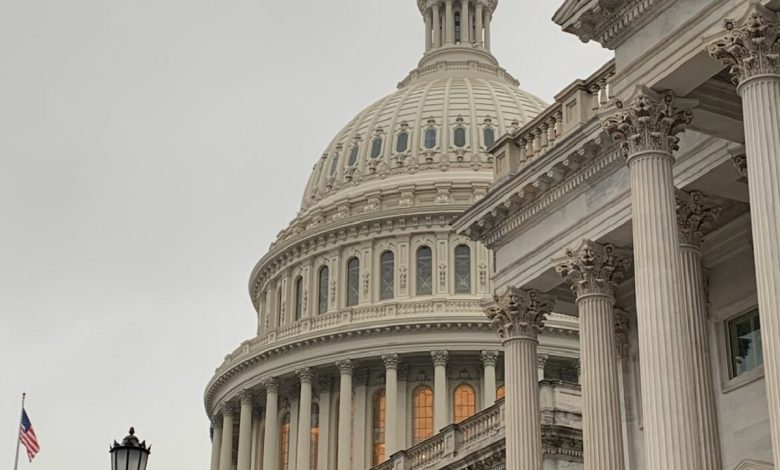
As millions of Americans brace for rising health-care costs in January, a new Republican-backed proposal is seeking to soften the blow by directing federal funds straight into consumers’ Health Savings Accounts (HSAs).
The legislation, introduced by Senators Bill Cassidy of Louisiana and Mike Crapo of Idaho, would offer ACA enrollees between $1,000 and $1,500 in tax-exempt deposits—an attempt to provide immediate financial relief as key Affordable Care Act subsidies are set to expire on December 31.
A Battle Over ACA Funding in a Divided Senate
The impending expiration of enhanced ACA tax credits has triggered a fierce political standoff. Democrats are pushing for a two- or three-year extension, but their proposal is unlikely to pass due to insufficient GOP support. Republicans, meanwhile, are leaning toward alternatives that shift federal spending away from insurance companies and into patient-controlled accounts.
The Cassidy-Crapo bill aligns closely with former President Donald Trump’s call for health-care reforms that prioritize direct patient benefit. Under the plan:
-
$1,000 would go to ACA enrollees aged 18–49
-
$1,500 would go to enrollees aged 50–64
-
Eligibility requires income below 700% of the federal poverty level
-
Funds would be deposited into HSA accounts exempt from federal taxes
These accounts can be used for a broad range of qualifying medical expenses, creating more flexibility for individuals facing rising deductibles, co-pays, and prescription costs.

Restrictions and Additional Provisions
The proposed law explicitly bars the use of funds for abortion or gender-transition–related care—an expected move given long-standing GOP policy positions. It also seeks to:
-
Expand access to low-cost, catastrophic health plans
-
Reduce Medicaid funding for states covering undocumented immigrants
These changes point to a broader conservative strategy aimed at reshaping federal health-care spending and limiting what Republicans view as “misaligned incentives” in the existing ACA structure.
A Competing Republican Bill: The CARE Act
Senator Bernie Moreno of Ohio has introduced his own proposal—the “CARE” Act—which would temporarily extend supplemental ACA tax credits and provide a two-year grace period for COVID-era subsidies. This alternative signals internal GOP debate over how aggressively to reshape the ACA.
Uncertain Future in a Politically Divided Climate
The Republican conference, now standing at 53 members, will review the bill in a closed meeting this week. Senate GOP Leader John Thune noted that party leaders remain in discussions with the White House to unify behind a single approach.
With health-care costs expected to surge in January, the stakes could not be higher: more than 23 million Americans depend on ACA subsidies, and the expiration of these benefits could lead to substantial increases in monthly premiums.
Whether the new HSA-driven model gains enough political traction will determine how millions of households navigate health-care affordability in 2025.