New Federal Earnings Index Helps U.S. Students Evaluate College Degrees Before Enrolling
A Trump-era Department of Education tool aims to give families clearer insight into the real financial value of college programs.

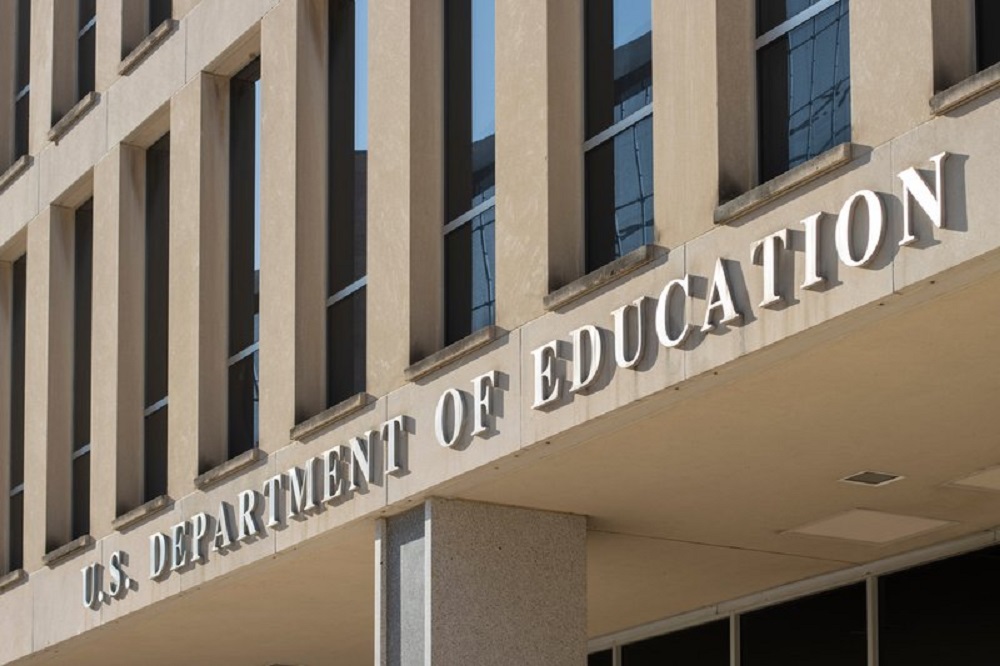
The U.S. Department of Education, under President Donald Trump’s administration, has announced the launch of a new Earnings Index designed to provide students and their families with accurate information about the potential future value of college degrees before deciding to enroll in any educational institution in the United States.
This development comes at a time when higher education is undergoing one of the most intense periods of scrutiny in decades, amid rising tuition costs and ballooning student debt, which is nearing $1.7 trillion, according to Newsweek.
Across the country, families and students are increasingly questioning whether a college degree is still a worthwhile investment, especially as some studies indicate that graduates of certain colleges earn, five years after graduation, less than those who only completed a high school diploma.
Adding to this is a wave of skepticism about the return on investment of higher education, especially as costs have surged dramatically while professional outcomes vary significantly from one institution or major to another.
The new index, which the Department of Education integrated into the Free Application for Federal Student Aid (FAFSA) summary, will appear to students as a warning notification if the college they selected offers programs that do not guarantee graduates an income higher than the average earnings of a high school graduate.
This warning will be accompanied by an additional information window offering a detailed comparison of expected earnings based on aggregated data from the College Scorecard and the Postsecondary Education Data system, adjusted for inflation through June 2025.
In its first phase, the index covers first-time applicants to undergraduate programs. It relies on government data showing that more than 2% of bachelor’s degree students enroll in institutions where graduates’ average income does not exceed the earnings of high school graduates in the same state four years after graduation.
Despite the small percentage, these institutions receive more than $2 billion in federal aid annually, sparking wide debate over whether public funds should support programs that fail to offer sufficient professional returns.
Recently published data reveals a list of institutions—mostly cosmetology and hair design schools as well as narrow vocational programs—whose graduates earn relatively low wages. The list includes institutions in Texas, Louisiana, Arkansas, Florida, Washington, and Colorado, in addition to others specializing in vocational or technical training.

Commenting on the launch of the index, Education Secretary Linda McMahon said that more than half of Americans now doubt the value of a college degree relative to its cost, emphasizing that American families deserve greater clarity about whether educational investment truly pays off in the job market.
Nicholas Kent, the Undersecretary, added that the index is not meant to limit students’ options but rather to empower them to make informed decisions that align with their abilities, ambitions, and career futures.
The Department of Education notes that the index is already available through the College Scorecard and the Federal Student Aid (FSA) Data Center, with annual updates planned to ensure data accuracy and alignment with changes in the job market and academic fields.
The department believes that providing this information early may transform how students make educational decisions—especially in an increasingly competitive job market and at a time when there is a growing need to realistically evaluate the actual economic opportunities that college degrees offer.