Arab American Poets Reveal the Rich Cultural Legacy America Too Often Overlooks
How seven poets help Americans rediscover the history, diversity, and humanity of Arab communities.
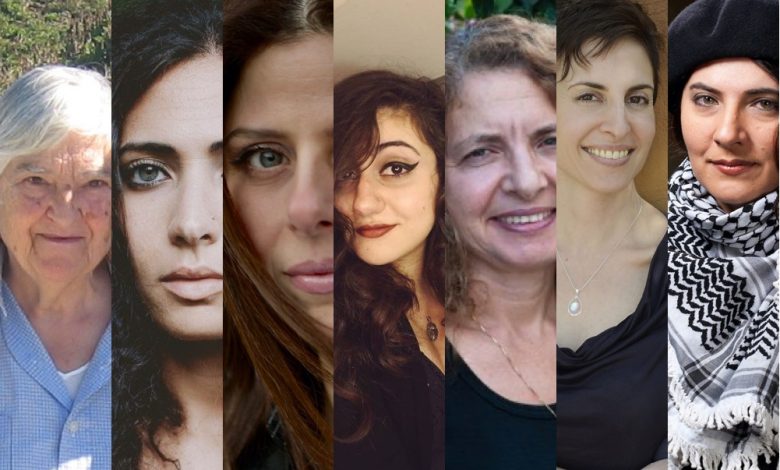
These poets remind us that Arab Americans have always been part of American culture—even during periods when the nation tried to push them to the margins.
As the world faces the largest refugee crisis in history, millions are fleeing violence and instability in countries long affected by war and political intervention. While many nations have opened their doors, the United States has at times responded with fear and exclusion, exemplified by the Muslim ban implemented in the previous administration.
Today, as displaced families search for safety, it is crucial to remember that Arab culture is already embedded in American life, and that Arab peoples are diverse in religion, history, and identity.
The voices of Arab American poets help illuminate this richness and complexity. Their work offers not only beauty and emotional power but also insight into displacement, belonging, and survival.
Etel Adnan, painter and poet, writes with an acute awareness of time and loss. Her poem “Time” reflects how nations and individuals break and rebuild the heart.
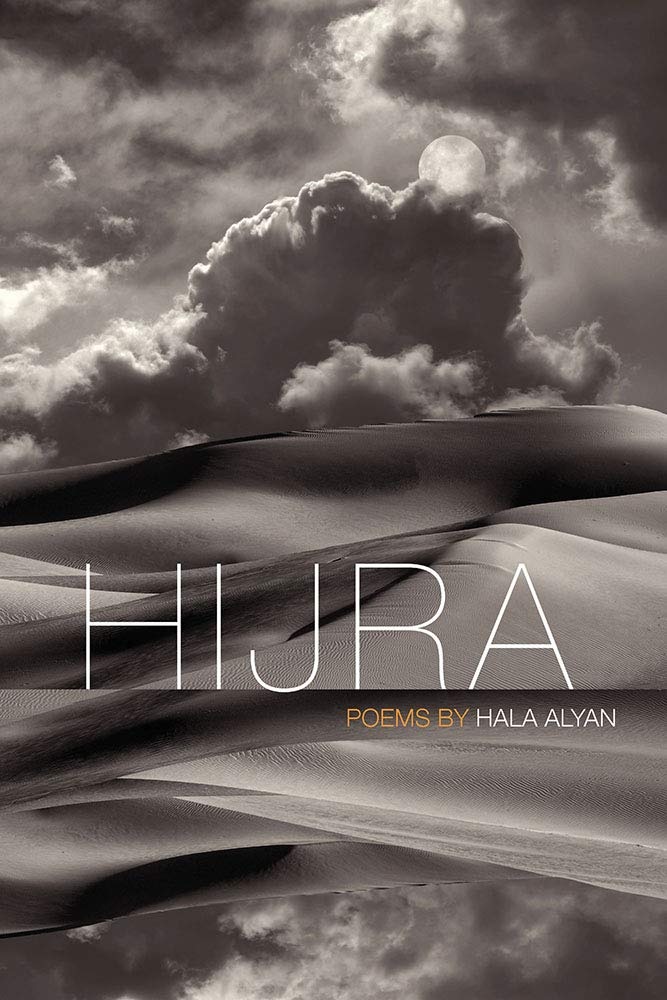
Hala Alyan gives voice to Arab women shaped by war and memory in her collection Hijra, poetry that is devastating and revelatory in equal measure.
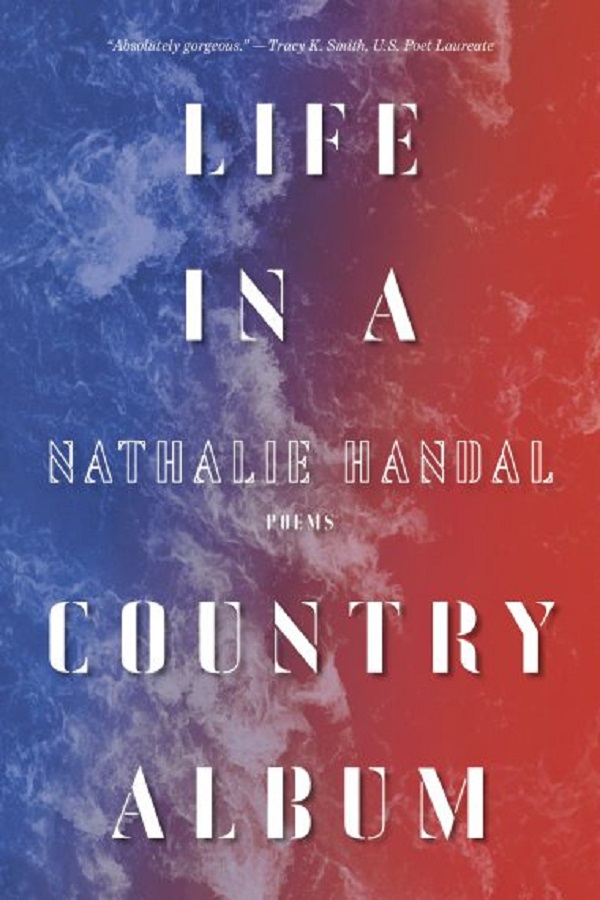
Nathalie Handal, a French-Palestinian American, blends languages and histories into lush meditations on love and wound.
Jess Rizkallah speaks boldly to the experience of Arab American women today, confronting racism, identity, and bodily autonomy with honesty and power.
Lisa Suhair Majaj explores the everyday stereotyping Arab Americans endure, turning pain into guidance and defiance.
Lauren Camp, drawing on a family history marked by silence and genocide, reconstructs ancestral memory through intimate, sensory verse.
Mohja Kahf, activist and poet, uses satire and joy to confront despair, showing that humor can be resistance and survival.
Together, these poets remind us that Arab Americans are not “others” but neighbors, creators, thinkers, and friends. Their art is an invitation—to understanding, to empathy, and to welcoming those who still seek safety and belonging.