Arab Writers in the United States: Voices Shaping Literature and Identity
A Deep Exploration of Arab Authors Who Enrich American Literature With Culture, Memory, and Global Perspective.
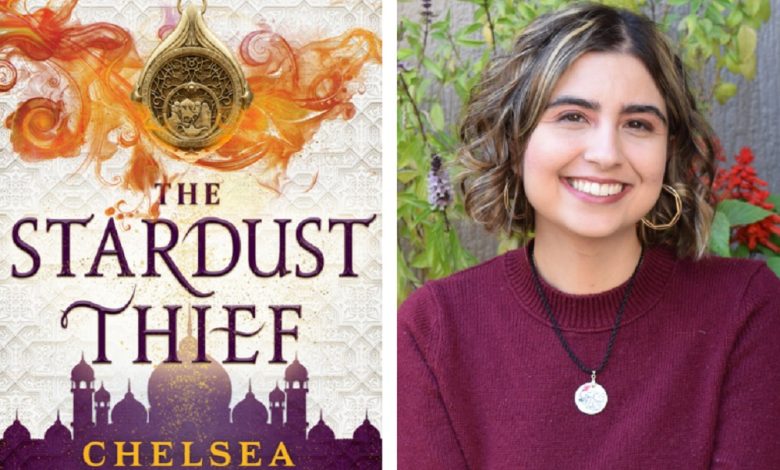
Arab writers in the United States form a vibrant and influential part of contemporary American literature. Their works bridge cultures, preserve memory, challenge stereotypes, and open new creative paths in storytelling. As immigration from the Arab world increased throughout the 20th and 21st centuries, Arab authors became key contributors to the multicultural identity that defines American arts today.
These authors write in English, Arabic, or both, and their stories often reflect themes of identity, exile, belonging, cultural conflict, and the search for home. Their literature helps readers understand the complexity of Arab experiences beyond the simplified media narratives.
Themes Common in Arab American Writing
1. Identity and Belonging
Many Arab writers explore what it means to be caught between two worlds: the heritage of the Arab world and the reality of American society. Questions such as “Where do I belong?” and “How do I stay myself in a new culture?” shape powerful storytelling.
2. Memory and History
Writers often revisit trauma, displacement, colonialism, and diaspora experiences. This preserves cultural memory and offers readers insight into histories rarely taught in mainstream classrooms.
3. Cultural Dialogue
Arab authors form a literary bridge that encourages understanding between communities. Their work fights prejudice by humanizing experiences and showing universal emotions shared by all people.
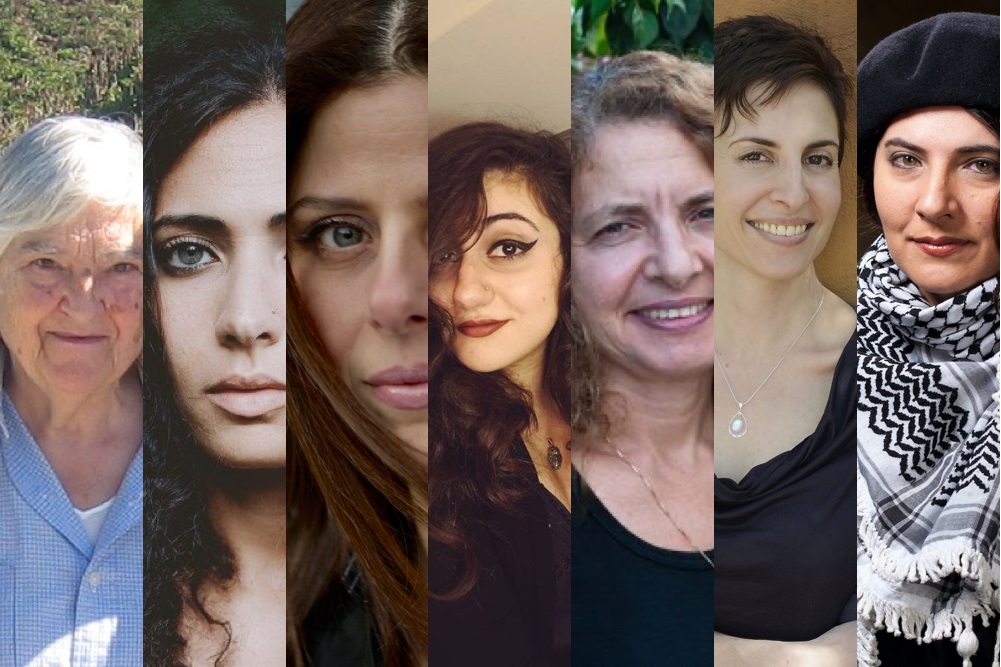
Notable Arab Writers in the United States
Below are some widely recognized Arab or Arab American authors who have made a strong impact:
1. Hisham Matar (Libya)
Winner of the Pulitzer Prize finalist and internationally respected for novels dealing with exile, authoritarianism, and memory.
2. Rabih Alameddine (Lebanon)
Author of An Unnecessary Woman, a major contribution to contemporary world literature.
3. Laila Lalami (Morocco)
A prominent novelist whose works address colonial legacy and immigrant identity.
4. Ameen Rihani (Lebanon)
Often considered one of the founders of modern Arab American literature and a pioneer in bilingual writing.
5. Najla Said (Palestine)
Known for blending memoir and cultural critique in compelling storytelling.
These writers are only a part of a larger movement that includes poets, journalists, children’s authors, and experimental storytellers.
Impact on American Culture
Arab authors contribute significantly to:
-
Broadening cultural understanding
-
Enriching multicultural narratives
-
Preserving language and heritage
-
Introducing new literary styles
-
Engaging younger generations with cultural roots
Their presence encourages readers to rethink assumptions about the Arab world and offers Americans literary experiences rooted in universal human emotion.
Future of Arab Literature in America
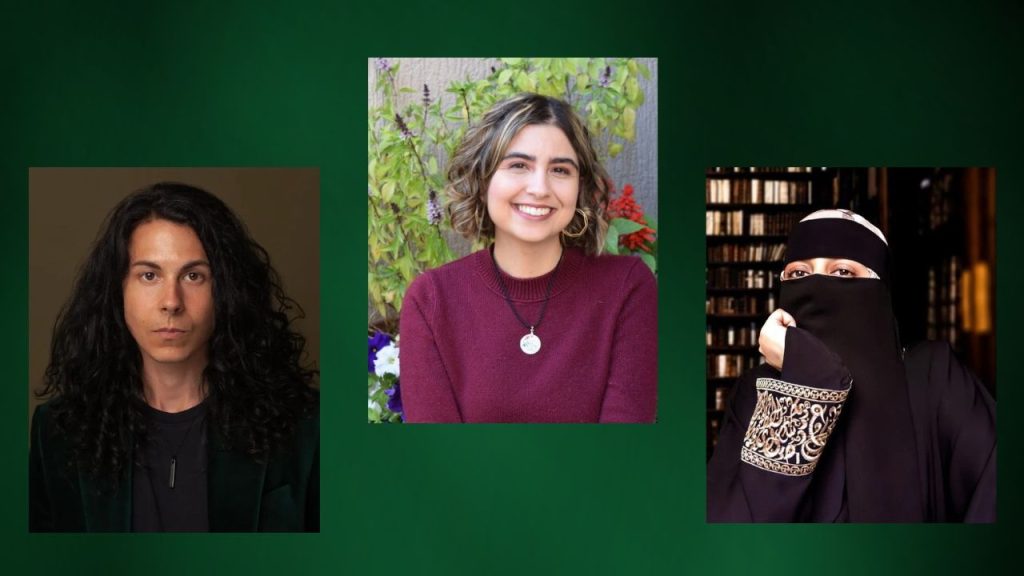
As younger generations grow up bilingual and bicultural, Arab American literature is expanding creatively and socially. Digital publishing, independent presses, and global reading communities allow new voices to reach readers faster than ever.
The future promises even deeper storytelling, more experimentation, and stronger representation for Arab identities in global literature.