Islamic Schools in the United States: Protecting Identity, Belonging, and Faith
How Islamic schools in America nurture religious values, cultural identity, and community belonging for Muslim youth.
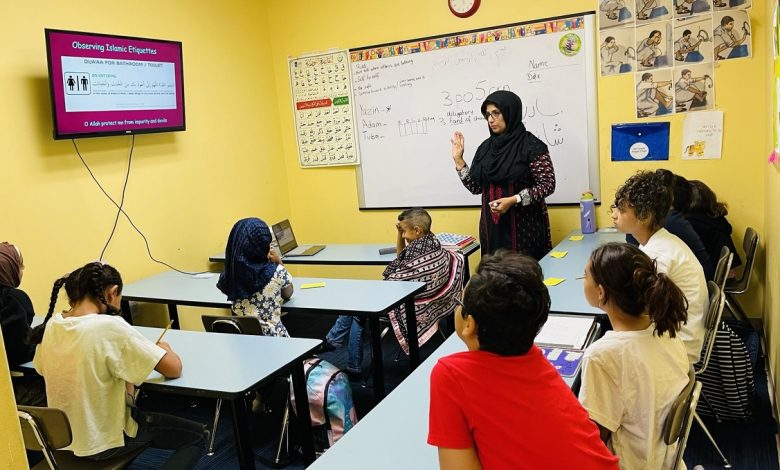
In a multicultural society like the United States, Muslim families often face the challenge of maintaining religious identity while integrating into broader American life. Islamic schools in the U.S. play a crucial role in preserving Islamic faith, cultural identity, and a sense of belonging among Muslim youth. These schools go beyond academics, functioning as spaces where children learn Quranic studies, Islamic ethics, Arabic language, and the history and values of Islam.
1. The Importance of Islamic Schools
Islamic schools serve as a bridge between faith and citizenship by offering:
-
Quran and Arabic education, reinforcing religious identity from an early age.
-
Moral and ethical teachings such as honesty, compassion, and community service.
-
Safe and nurturing environments where students can grow intellectually and spiritually without conflict between home and school values.
These schools help children balance their Muslim identity with participation in American society, encouraging both faithfulness and civic responsibility.
2. Prominent Islamic Schools in the United States
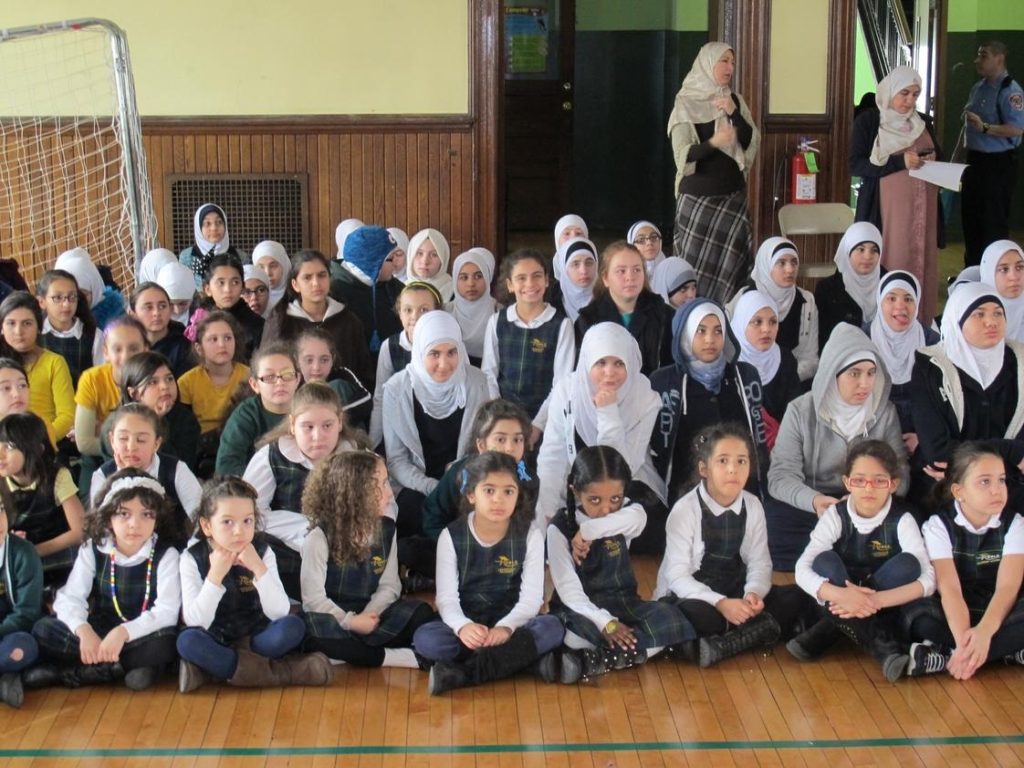
There are more than 300 accredited Islamic schools across the U.S., some of the most notable include:
-
Al-Iman School (New York): One of the earliest established Islamic schools in the country, offering strong academic and religious programs.
-
Darul Arqam School (New Jersey): Known for advanced Quranic education and Islamic studies.
-
Al-Ihsan Academy (Queens, New York): Combines modern American education with Islamic values.
-
Assalam Academy (Texas): Focuses on character development and religious instruction from early childhood.
-
An-Noor Academy (New Jersey): Recognized for producing students who excel in memorizing the Quran.
These schools cater to students from diverse backgrounds while maintaining a strong focus on Islamic teachings.
3. Balancing Faith and American Citizenship
Islamic schools help students integrate into society while remaining grounded in their faith. Students learn to respect American laws, contribute positively to their communities, and engage in civic duties — all without compromising their religious identity. This balance fosters a sense of belonging to both the American nation and the global Muslim community.
4. Addressing Social and Cultural Challenges
Muslim communities in the U.S. face challenges such as cultural assimilation, Islamophobia, and identity conflicts. Islamic schools address these by:
-
Providing balanced moral education that strengthens religious convictions.
-
Hosting community and cultural activities to enhance a sense of belonging.
-
Supporting families in maintaining a religious and ethical environment at home and in society.
5. The Future of Islamic Education in the U.S.
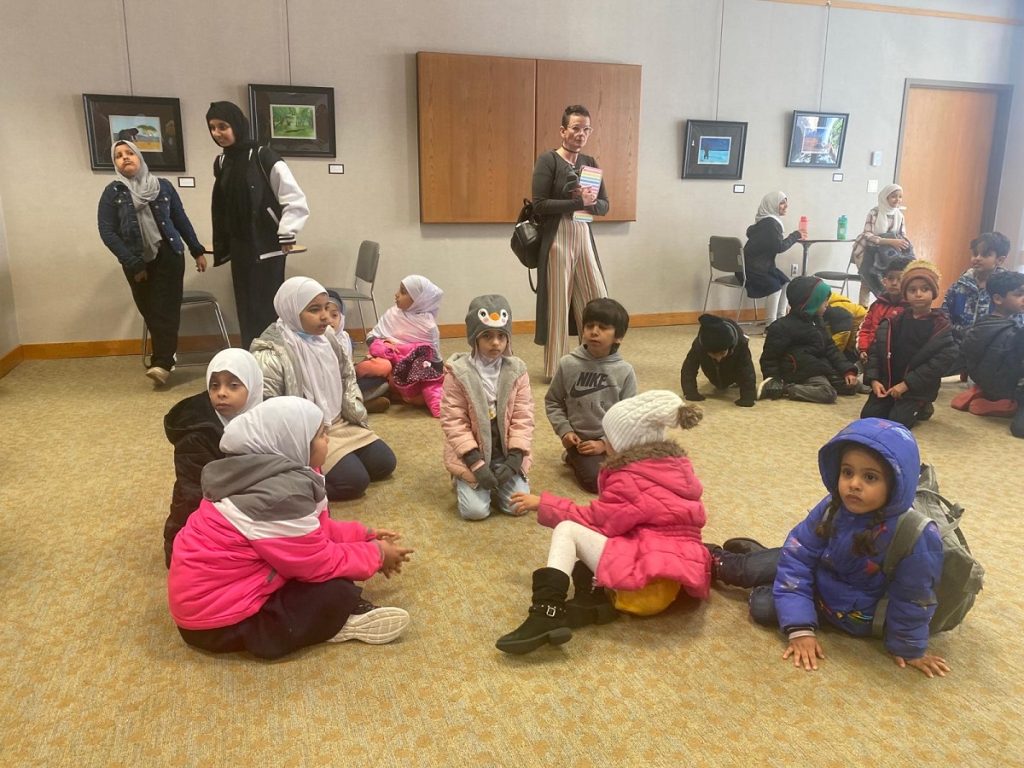
As the Muslim population grows, demand for comprehensive Islamic education rises. Many schools are evolving into advanced academies offering high-quality academics alongside strict adherence to Islamic principles. Accreditation and recognition by U.S. educational authorities further increase trust in these institutions, making them appealing not only to Muslim families but also to non-Muslims seeking structured and values-based education.
Conclusion:
Islamic schools in the United States serve as vital centers for preserving faith, identity, and community. They help Muslim youth develop a strong sense of self, rooted in Islamic values, while equipping them to participate meaningfully in American society. These schools ensure that being Muslim and being American are not mutually exclusive but complementary aspects of identity.