Grocery Prices Trigger More Stress for Americans Than Credit Card Debt or Childcare
A new poll shows over half of U.S. adults feel major stress buying groceries, highlighting how inflation and economic uncertainty are reshaping household priorities.
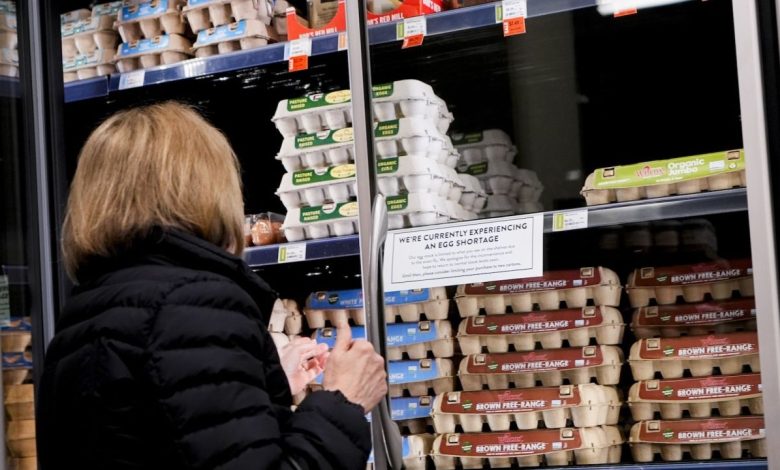
A recent poll revealed that more than half of Americans feel stressed when buying groceries—far more than the financial pressure they feel from credit card debt, childcare, or student loans.
Former President Donald Trump campaigned on a promise to reduce grocery prices. However, the data shows that Americans continue to feel anxiety over affording these basic necessities.
According to the poll, 53% of Americans said the cost of groceries is currently a major source of stress, while 33% said it’s a minor source of stress. Only 14% reported that food prices aren’t a source of stress at all.
Other top sources of financial pressure include housing costs (47%), the amount of money saved or earned (43%), and healthcare expenses (42%).
Interestingly, 14% of adults surveyed said they’ve used “Buy Now, Pay Later” (BNPL) services to purchase groceries—allowing them to make purchases immediately and pay in installments.
Meanwhile, 11% said they used such services, like Afterpay or Klarna, for restaurant meals or food delivery. Another 17% reported using BNPL for medical or dental care, while 14% used it to cover entertainment costs.
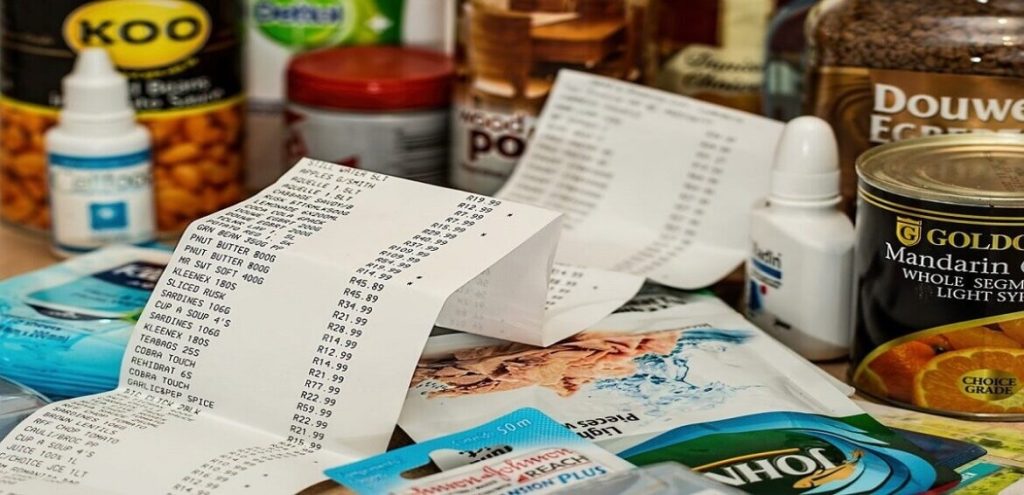
In June, grocery prices rose by 3% compared to the previous year, according to the latest Consumer Price Index report.
Food prices have surged sharply in recent years, especially when compared to pre-pandemic levels. Contributing factors include supply chain disruptions, the Russian invasion of Ukraine, and outbreaks of avian flu, according to the U.S. Department of Agriculture.
Climate change has also played a role in making food costs more unpredictable.
In response to these trends, food banks are bracing for increased demand due to changes in federal food aid programs that were signed into law by Trump. Hunger relief leaders warn that the gap created may be impossible to fill.
White House spokesperson Kush Desai stated, “Just like during his first term, President Trump is implementing the same mix of policies—deregulation, fair trade, and pro-growth tax cuts—and as these policies take effect, the best is yet to come.”
However, experts caution that rising tariff pressures could further drive prices upward.