USCIS Cuts Work Permit Validity to 18 Months, Impacting Green Card Applicants Nationwide
New immigration policy increases renewal frequency, fees, and legal risks for hundreds of thousands awaiting permanent residency.
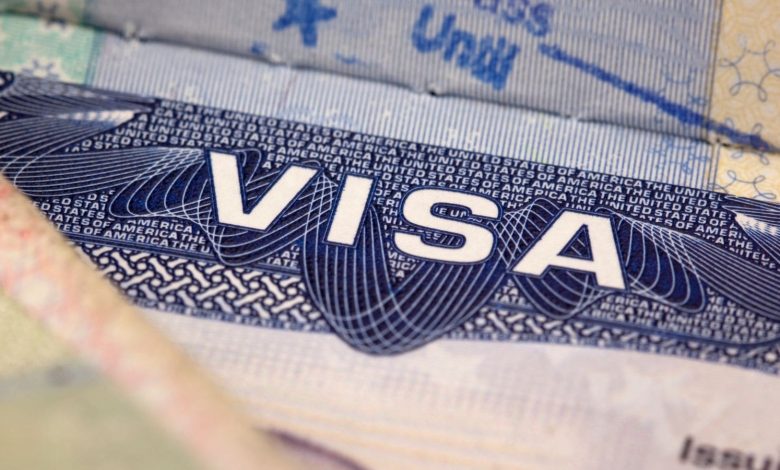
The U.S. Citizenship and Immigration Services (USCIS) has announced a major policy change regarding the issuance of work permits for immigrants, including those applying for a green card. The move is described as one of the most impactful in years, affecting hundreds of thousands of residents who rely on their Employment Authorization Document (EAD) as a crucial requirement for maintaining their livelihoods and jobs in the United States.
Beginning December 5, 2025, USCIS will no longer issue five-year work permits as previously practiced. Instead, the maximum validity period has been reduced to just 18 months, whether for initial applications or renewals, according to Newsweek.
This shift places an additional burden on green card applicants, who must now renew their work permits more than three times as often as before. This means more fees, more paperwork, longer waiting periods, and a greater risk of gaps during which applicants may temporarily lose their legal ability to work—especially given the already slow processing times within the immigration system.

As competition in the labor market increases and security screening intensifies, concerns are rising that the decision could create significant instability for lawful residents who have been waiting for years to complete their cases.
The Trump administration links the move to new security concerns following a shooting incident involving an Afghan refugee who had previously been granted asylum earlier this year. The attack resulted in the death of a National Guard member and serious injury to another.
Officials have used the incident to justify the need for “periodic re-screening” of all individuals holding residency or work permits, stating that shorter validity periods are necessary to prevent potential threats to national security.
Estimates indicate that the decision will directly affect green card applicants who rely entirely on their work permits while awaiting a decision on their cases. They must now plan to renew their EAD every 18 months and set aside a budget for fees exceeding $600 per application—though some categories receive partial fee reductions.
Applicants are also required to prepare documents well ahead of the renewal window, including a passport, I-485 receipt notice, and their previous work permit, to avoid delays that could jeopardize their legal ability to work.
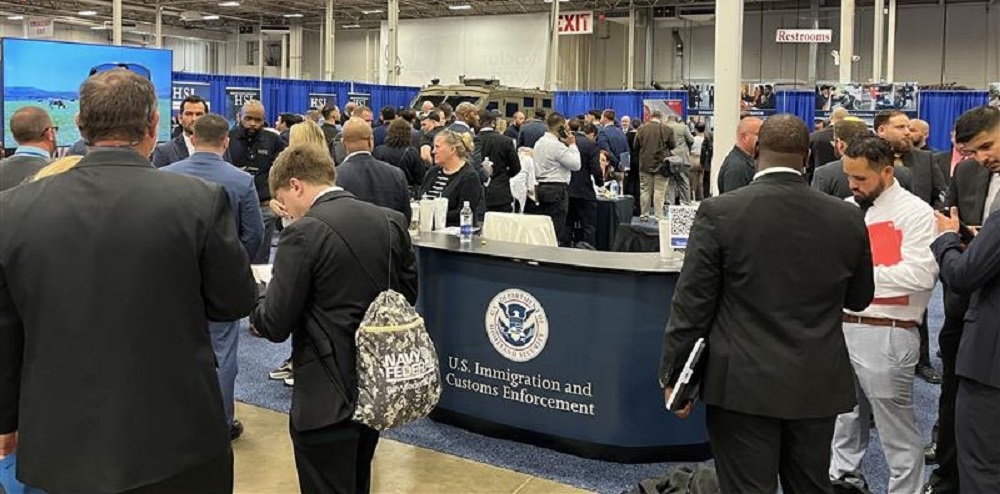
On the other hand, American employers are expected to face a new wave of compliance pressures. Companies must re-verify employee information on Form I-9 more frequently, creating administrative strain and uncertainty, especially for institutions that rely heavily on workers awaiting permanent residency.
According to immigration experts, this unstable environment could lead to job losses for some applicants if their forms are not processed in time.
While the Trump administration views the policy shift as a measure to “strengthen security,” immigration attorneys argue that shortening the validity period may increase pressure on USCIS itself, worsen processing delays, and negatively impact thousands of lawful applicants who have been waiting for permanent residency for many years.
Despite the concerns, the policy remains in effect, and experts advise affected individuals to closely follow official guidance or consult an immigration attorney to ensure timely renewal of their work permits.