Muslims and Community Safety in Louisiana: Challenges and Insights
A look at the safety landscape for Muslim residents in Louisiana amid broader state security concerns.
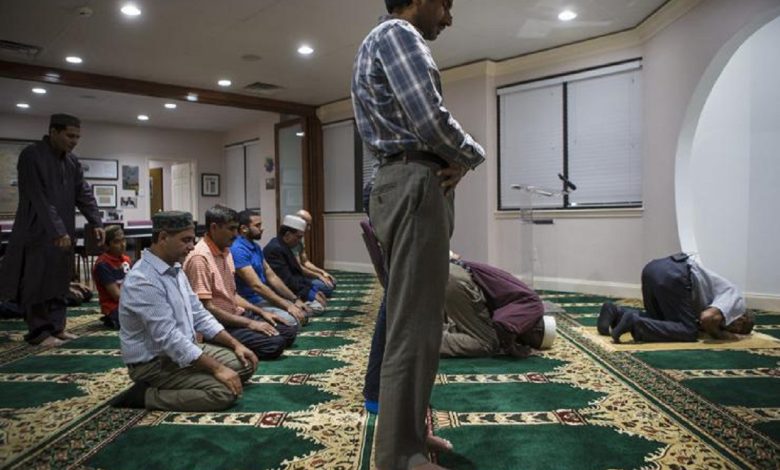
Louisiana has been identified as one of the most dangerous states in the U.S., scoring 36.2 out of 100 in recent analyses of safety indicators. For Muslim residents, this ranking raises concerns about personal safety, community security, and protection against both crime and social discrimination.
1. How safe are Muslims in Louisiana?
Muslims in Louisiana, like other religious minorities, face challenges related to both general crime rates and instances of hate crimes. The FBI Hate Crime Statistics indicate that anti-Muslim incidents, while lower in number compared to other crimes, still occur and require awareness and preventive measures. Community centers, mosques, and educational institutions often implement safety protocols to ensure congregants are protected.
2. What factors influence safety in the state?
Louisiana’s high crime rates, combined with vulnerabilities in road safety, emergency preparedness, and public infrastructure, create a complex environment for residents. Experts like Michael Scott from Arizona State University highlight that local hazards such as hurricanes and floods, combined with limited crime prevention measures, amplify risks. Adequate infrastructure, community policing, and emergency preparedness are key to mitigating these risks.
3. How can Muslims enhance personal and community safety?
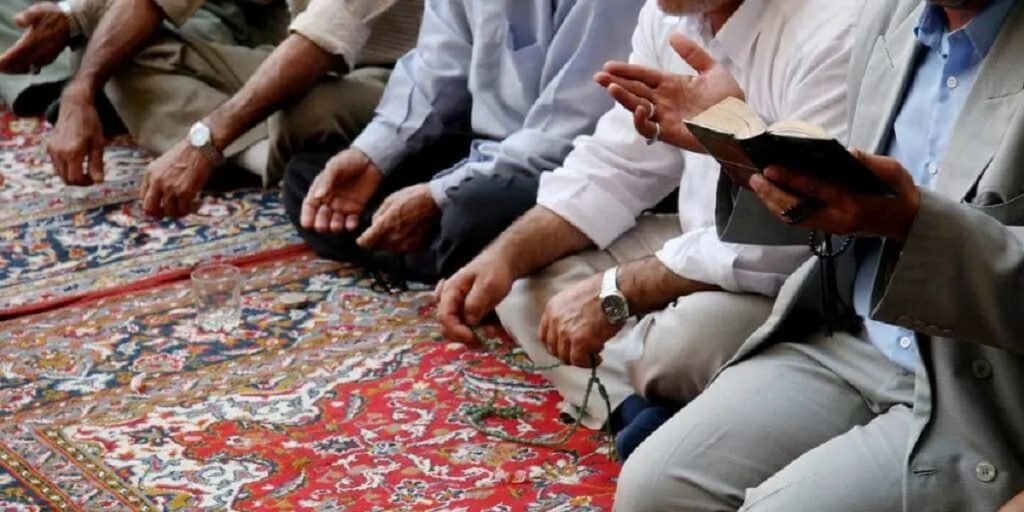
Muslim communities often rely on multi-layered strategies:
-
Coordinating with local law enforcement and community watch programs.
-
Implementing security measures at mosques and cultural centers.
-
Educating community members about emergency preparedness, self-defense, and cybersecurity.
-
Building strong interfaith and civic relationships to promote awareness and mutual protection.
4. What role does social engagement play?
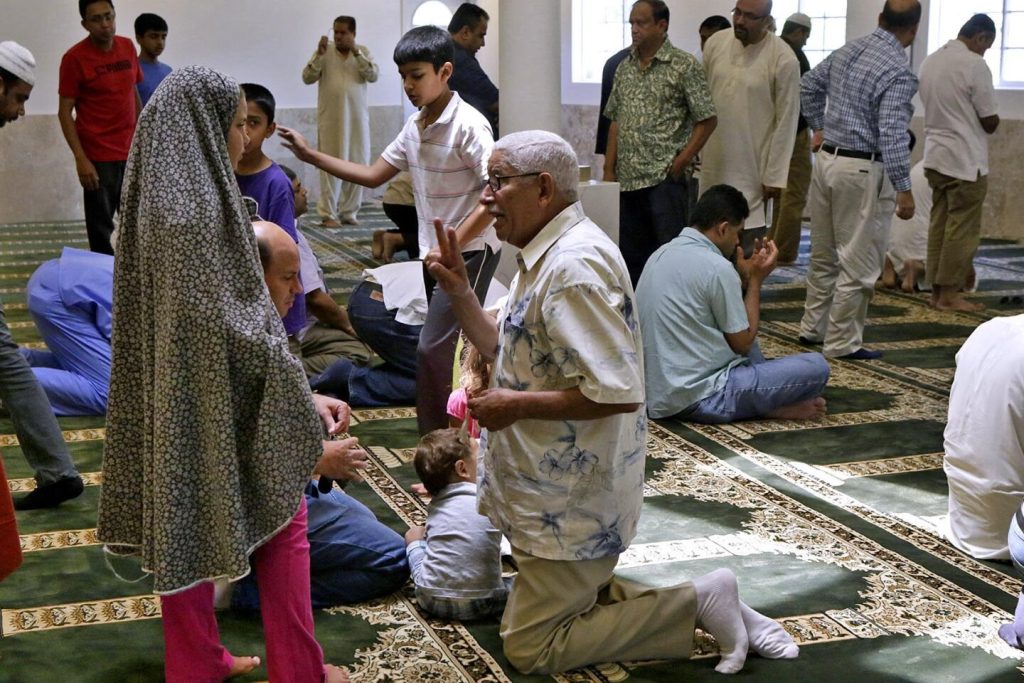
Community engagement, public awareness campaigns, and collaboration with broader civic organizations significantly improve safety. WalletHub analysts emphasize that states with higher safety scores successfully protect citizens through both preventive infrastructure and active community involvement, an approach crucial for religious minorities in Louisiana.
5. Looking ahead:
While Louisiana continues to rank low in safety metrics, ongoing investments in policing, infrastructure, emergency preparedness, and social cohesion can gradually improve conditions. For Muslims, staying informed, connected, and proactive is essential to ensure both personal and community safety in the state.
In conclusion, Louisiana presents significant challenges for Muslim residents, but with structured safety strategies, community coordination, and awareness, risks can be managed and mitigated.