Arabs and Muslims in Mississippi: History, Faith, and Community
From early immigration to modern contributions, the community’s story of resilience and growth.
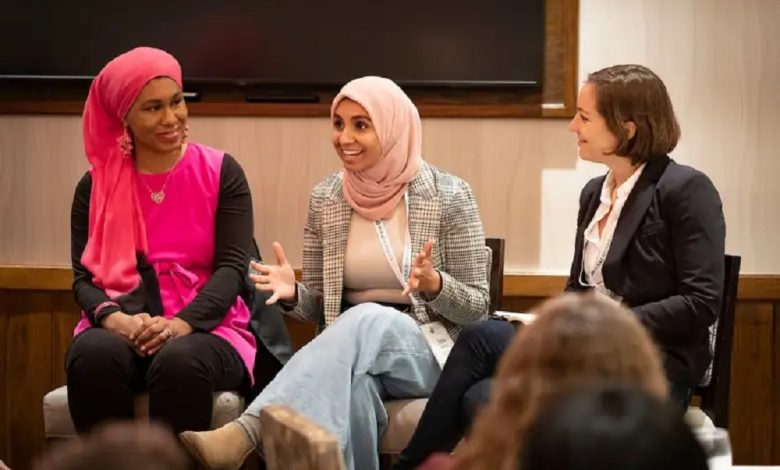
The presence of Arab and Muslim communities in Mississippi reflects a larger story of immigration, resilience, and cultural blending across the American South. Although smaller in number compared to larger hubs like Michigan, New York, or California, the Arab and Muslim populations in Mississippi have carved out meaningful spaces for faith, family, and identity.
Historical Roots of Arab Immigration
The first Arab immigrants to Mississippi, like in much of the U.S. South, arrived in the late 19th and early 20th centuries. Many were Lebanese and Syrian Christians who came seeking economic opportunities as merchants, traders, and shopkeepers. Over time, their businesses became integral to Mississippi towns, from grocery stores to clothing shops, helping establish Arab families as part of local communities.
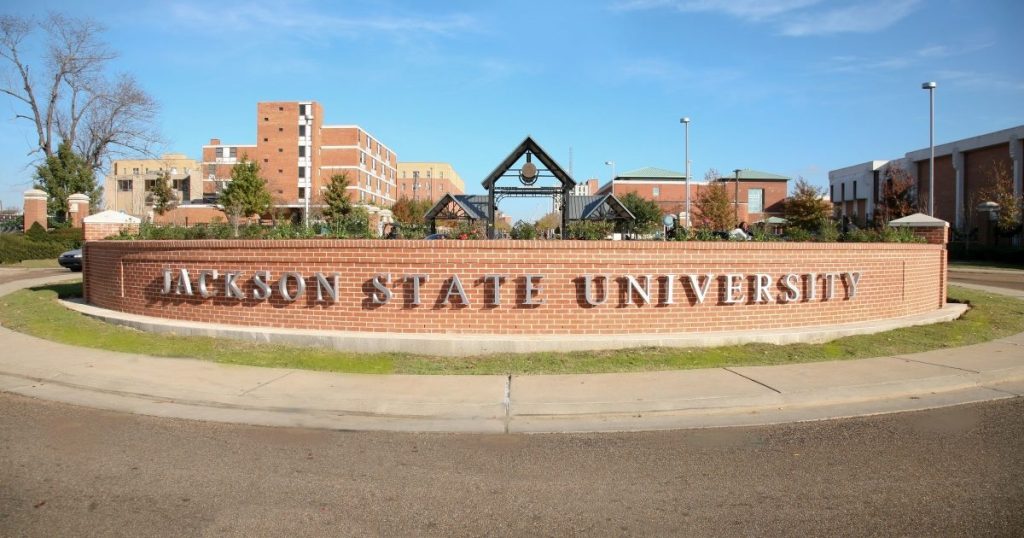
By the mid-20th century, Muslim immigrants from North Africa, the Levant, and South Asia began settling in Mississippi. They arrived as students at universities such as Jackson State University, University of Mississippi (Ole Miss), and Mississippi State University, later staying to build careers in medicine, engineering, and academia.
Building Muslim Life in Mississippi
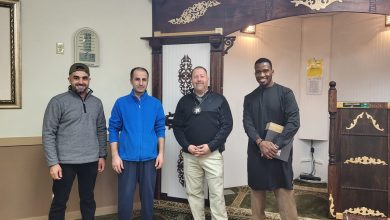
The Muslim presence in Mississippi has grown significantly since the 1970s. Today, the state has several mosques and Islamic centers, including the Islamic Center of Mississippi in Starkville (one of the oldest mosques in the South), the Islamic Center of Jackson, and the Islamic Center of Hattiesburg. These institutions serve not only as places of worship but also as cultural and educational hubs, hosting Quran classes, Eid celebrations, and interfaith dialogues.
Muslim students have played a key role in building communities. For example, international students from Saudi Arabia, Egypt, Pakistan, and Nigeria contribute to campus life and often lead Muslim Student Associations (MSAs). Their presence has also encouraged more diverse cultural awareness in Mississippi’s college towns.
Social and Cultural Contributions
Arab and Muslim Mississippians contribute across fields:
-
Medicine & Healthcare: Many Muslim doctors serve in rural hospitals and clinics, filling vital gaps in healthcare.
-
Small Businesses: Arab families run restaurants, grocery stores, and retail shops, introducing Middle Eastern flavors and products to local communities.
-
Education & Research: Professors and students bring global perspectives to Mississippi’s universities, enhancing cultural exchange.
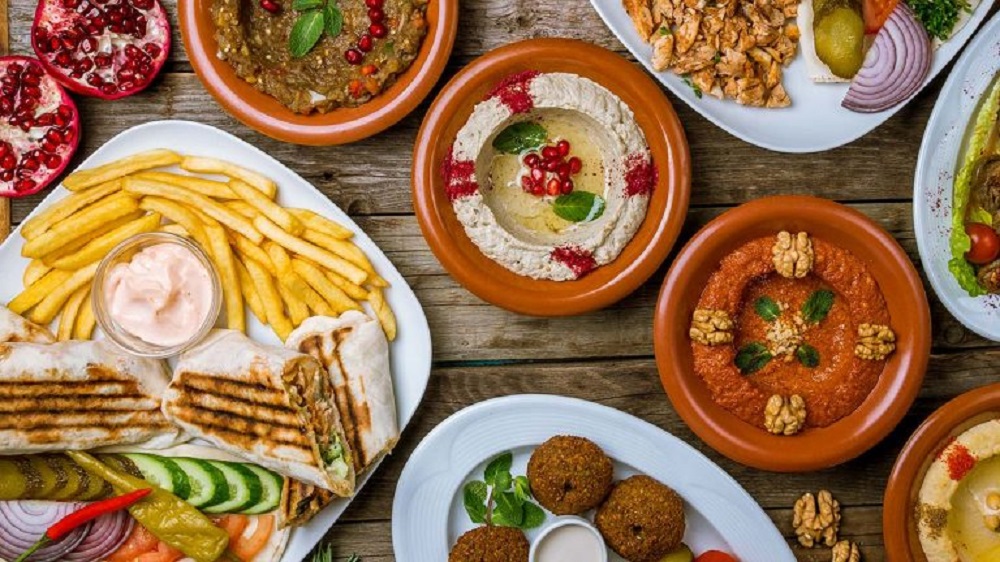
Food and culture are powerful bridges. In cities like Jackson and Hattiesburg, restaurants offering Lebanese falafel, Tunisian couscous, or Palestinian shawarma not only nourish communities but also introduce Southern residents to new traditions.
Challenges and Resilience
Like elsewhere in the U.S., Arab and Muslim communities in Mississippi face challenges, including stereotypes, Islamophobia, and underrepresentation. However, interfaith initiatives, local outreach, and increased visibility have helped build bridges. Mosques often invite neighbors for open houses during Ramadan or organize charity drives that benefit the wider population.
Looking Ahead
The Arab and Muslim communities in Mississippi remain relatively small, but they are vital in enriching the cultural and social fabric of the state. With younger generations growing up in Mississippi, they are blending their heritage with Southern traditions, shaping a unique identity that speaks to both their Arab or Muslim roots and their American experience.
As Mississippi continues to diversify, Arab and Muslim communities stand as an important reminder that the American South is far more multicultural than stereotypes suggest.