Investigation Continues into Imam Hassan Sharif’s Death in Newark
Community Seeks Justice as Authorities Pursue Leads
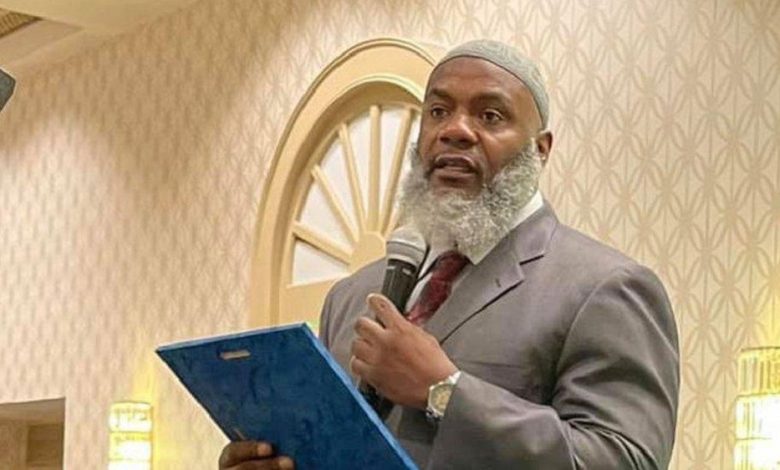
Imam Hassan Sharif, a respected community leader in Newark, New Jersey, was tragically shot and killed on January 3, 2024, outside Masjid Muhammad during the early morning hours. He had served as the mosque’s imam for five years and was also a Transportation Security Administration (TSA) officer at Newark Liberty International Airport since 2006.
The shooting occurred around 6 a.m. as Imam Sharif was in his car near the mosque. He suffered multiple gunshot wounds and was pronounced dead later that afternoon . Surveillance footage from the area has been released, showing a person of interest with a distinctive walk, though no arrests have been made.
Authorities have not determined a motive for the crime and have found no evidence suggesting it was a hate crime or act of domestic terrorism. However, the incident has raised concerns within the Muslim community, especially in light of increased bias-related incidents nationwide.
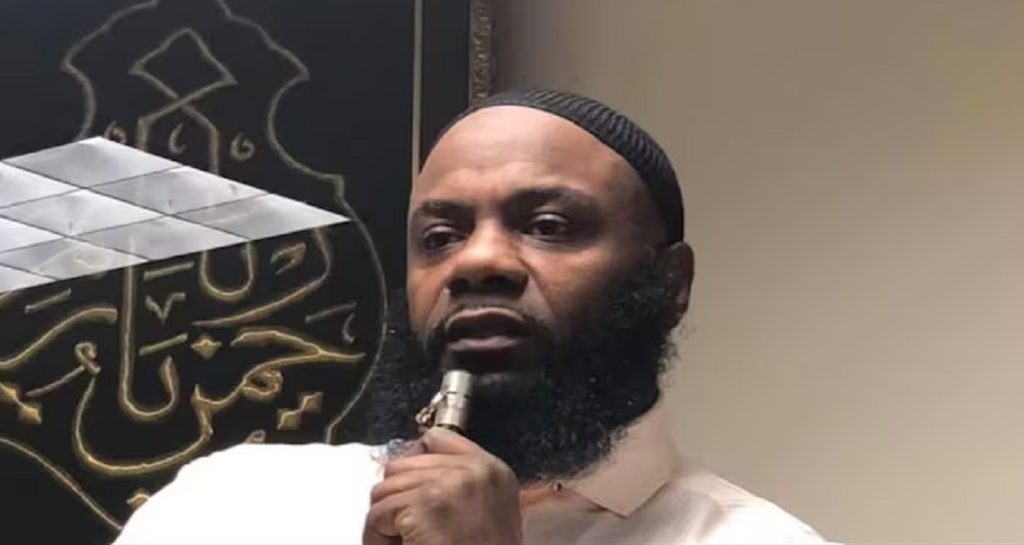
A reward of up to $35,000 is being offered for information leading to an arrest. The Essex County Prosecutor’s Office and the Council on American-Islamic Relations (CAIR) are urging anyone with information to come forward.
Imam Sharif was remembered as a beacon of leadership and excellence, deeply involved in interfaith efforts and dedicated to his community