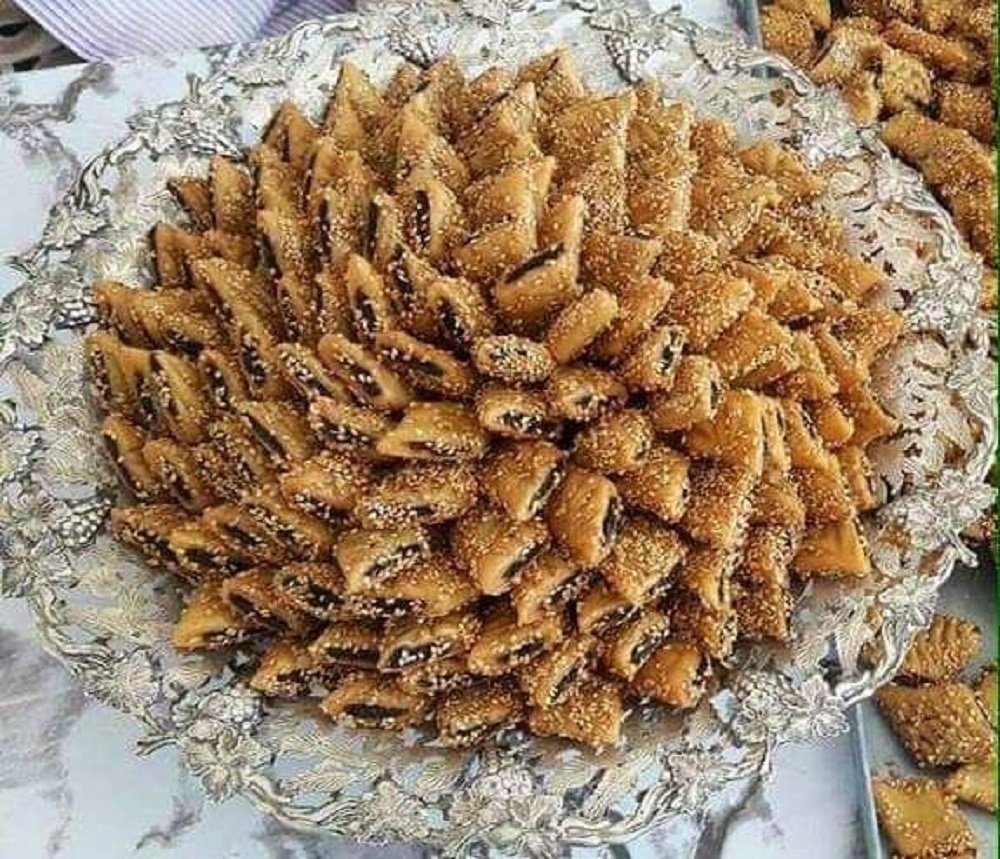
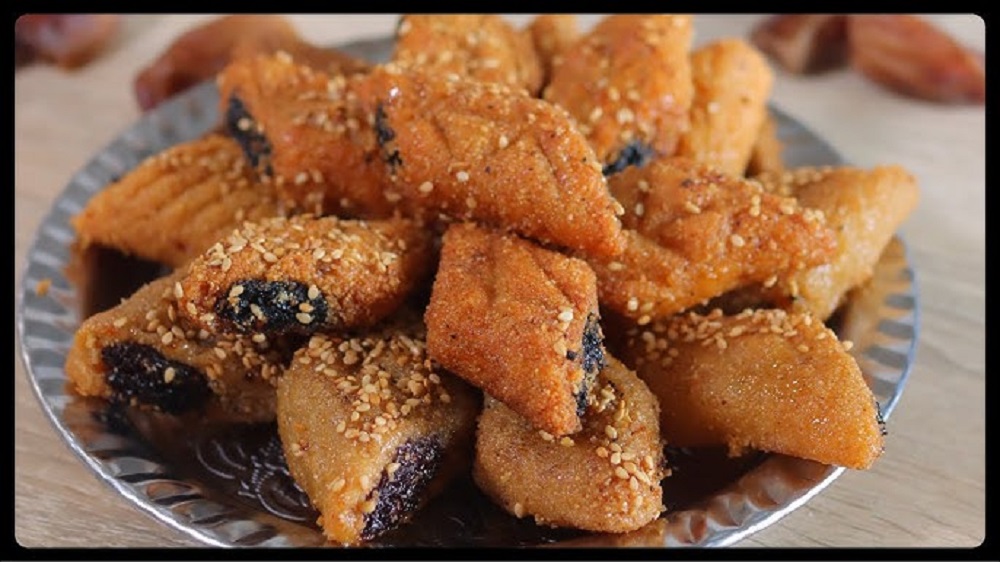
Maqroudh Ettounsi (المقروض التونسي) is one of Tunisia’s most iconic traditional pastries, deeply rooted in the country’s culinary and cultural heritage. Originating primarily from the city of Kairouan, Maqroudh is a semolina-based sweet filled with dates and soaked in honey or sugar syrup, known locally as assal or charbet. It is widely regarded as one of the oldest pastries in North Africa and holds a special place in Tunisian celebrations and daily life.
Origins and Historical Background
The history of Maqroudh dates back centuries, particularly to Kairouan, one of the oldest Islamic cities in the Maghreb. The pastry is believed to have emerged during early Islamic periods, when semolina, dates, and olive oil were staple ingredients. Over time, Maqroudh became associated with religious occasions, family gatherings, and hospitality, symbolizing generosity and tradition.
Traditional Ingredients
Authentic Tunisian Maqroudh is made from simple yet carefully selected ingredients:
-
Coarse semolina (smid)
-
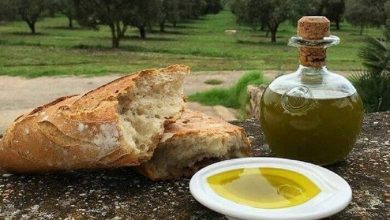
High-quality olive oil (a key Tunisian hallmark)
-
Date paste, often flavored with cinnamon or orange blossom water
-
Honey or sugar syrup for soaking
Unlike some regional variations, traditional Tunisian Maqroudh does not rely heavily on butter, which distinguishes it from other Maghrebi sweets.
Preparation Method
The dough is prepared using semolina and olive oil, then shaped into long strips filled with date paste. The dough is pressed using a traditional wooden mold (tabaa) to create its characteristic diamond pattern before being cut. The pieces are typically fried or baked, then immediately soaked in warm honey or syrup to achieve their signature texture—crispy on the outside and soft on the inside.
Regional Variations
While Kairouan is considered the birthplace of Maqroudh, variations exist across Tunisia:
-
Kairouan Maqroudh: The most famous, fried and soaked in honey.
-
Maqroudh bil louz: Made with almond filling instead of dates.
-
Oven-baked versions: A lighter alternative preferred by some households.
Despite these variations, the core identity of Maqroudh remains unmistakably Tunisian.
Cultural and Religious Significance
Maqroudh is commonly served during Ramadan, Eid, weddings, and family celebrations. It is also a staple offering to guests, reflecting Tunisian values of hospitality and sharing. In Kairouan, Maqroudh shops are cultural landmarks, attracting locals and visitors alike.
Maqroudh in Modern Tunisia and Abroad
Today, Maqroudh is not only a traditional dessert but also a symbol of Tunisia’s culinary identity abroad. It is widely sold in bakeries across Europe, North America, and the Middle East, particularly within Tunisian and North African communities. Artisanal producers increasingly market Maqroudh as a heritage product made with authentic ingredients and traditional methods.