Sahlab (also spelled salep or sahleb) is a traditional hot beverage widely consumed across the Middle East, North Africa, Turkey, and parts of the Eastern Mediterranean. Known for its creamy texture and warming effect, sahlab is especially popular during the winter months, when it is sold by street vendors and served in homes as a comfort drink.
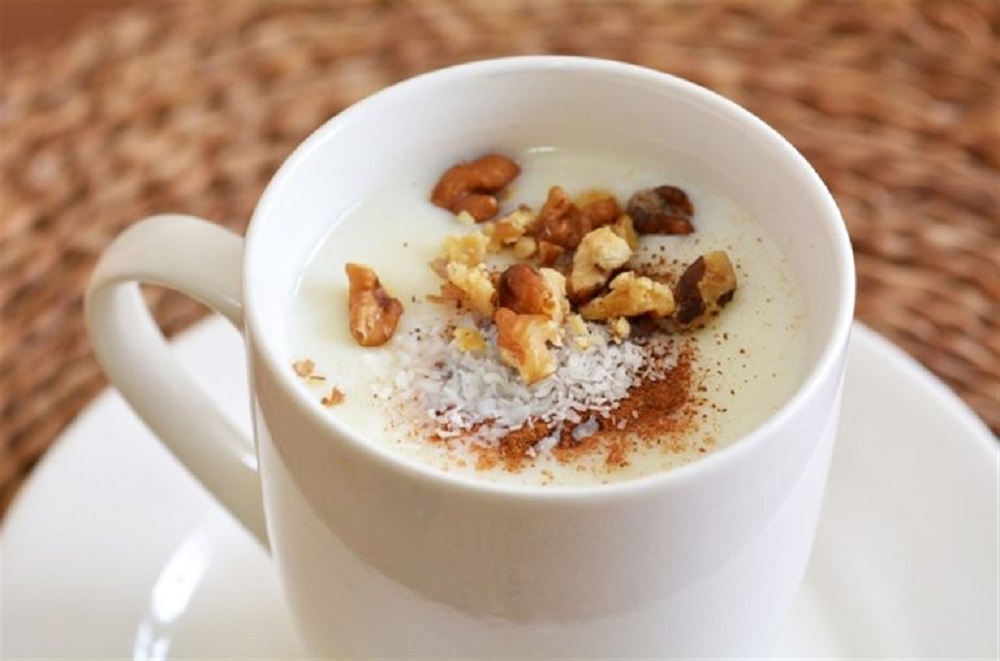
At its core, sahlab is a thick, milk-based drink flavored with aromatic spices and often topped with nuts and coconut. What makes it unique is its texture—somewhere between a drink and a light pudding—which comes from a special starch that thickens the milk as it heats.
The Origins of Sahlab
Historically, authentic sahlab was made from the powdered tubers of wild orchids (genus Orchis), which grow in parts of Anatolia, the Levant, and Iran. These orchid roots were dried and ground into a fine powder that, when mixed with hot milk, created the signature thickness and elasticity of the drink.
Because wild orchids became endangered due to overharvesting, modern sahlab is now typically made using cornstarch or other plant-based starches, especially in Arab countries. In Turkey, however, traditional salep—made from real orchid powder—still exists but is rare and expensive.
Ingredients and Preparation
A classic modern sahlab recipe usually includes:
-
Milk
-
Cornstarch (or commercial sahlab mix)
-
Sugar
-
Rose water or orange blossom water
-
Cinnamon (as a topping)
Optional toppings vary by region and household, and may include:
-
Crushed pistachios or almonds
-
Coconut flakes
-
Raisins
-
Ground cardamom
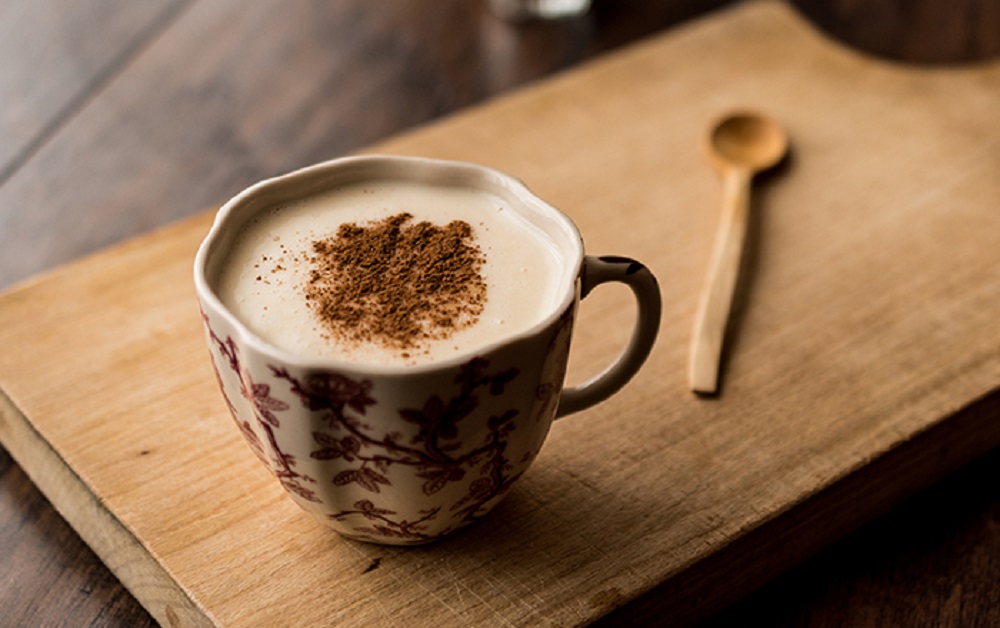
The mixture is slowly heated and constantly stirred until it thickens into a smooth, velvety consistency. It is served hot, often dusted with cinnamon on top.
Cultural and Social Significance
Sahlab is more than just a drink—it is deeply tied to winter culture and social life. In countries like Palestine, Jordan, Syria, Egypt, and Tunisia, sahlab is associated with cold evenings, family gatherings, and street life. Vendors selling sahlab are a familiar winter sight, calling out to passersby as steam rises from large metal pots.
In Palestinian and Levantine culture, sahlab is often linked to memories of childhood and communal warmth. In Egypt, it is considered one of the most nourishing winter drinks, sometimes believed to strengthen the body and provide energy.
Sahlab vs. Similar Drinks
While sahlab is sometimes compared to hot chocolate or atole, its texture and floral aroma set it apart. Unlike cocoa-based drinks, sahlab relies on starch rather than chocolate, and its flavor profile leans toward floral and nutty rather than sweet and bitter.
Modern Variations
Today, sahlab has evolved into multiple variations:
-
Vegan sahlab made with almond or oat milk
-
Chocolate-flavored sahlab
-
Thick dessert-style sahlab served in bowls
-
Instant sahlab mixes sold in supermarkets
Despite these changes, the drink remains rooted in tradition and nostalgia.
Why Sahlab Still Matters
In a region marked by displacement and cultural loss, traditional foods and drinks like sahlab act as carriers of memory and identity. Preparing and drinking sahlab is a small but meaningful way of preserving heritage—especially for diaspora communities.