Arab and Muslim Orphans in the United States: Who Protects and Supports Them?
How U.S. Islamic and Arab Organizations Care for Orphaned Children and Vulnerable Families.
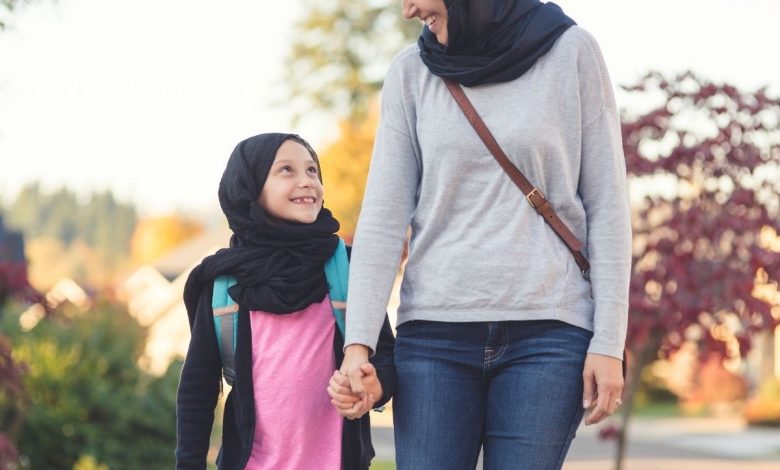
Orphaned children within Arab and Muslim communities in the United States face unique social, cultural, and emotional challenges. These children may have lost one or both parents due to illness, accidents, war-related displacement, or migration hardships. In addition to the universal difficulties associated with losing parents, they often navigate identity issues, cultural gaps, language barriers, and, in some cases, economic vulnerability.
Despite these challenges, the United States is home to a strong network of Islamic and community-based organizations dedicated to protecting, supporting, and empowering orphaned children from Arab and Muslim backgrounds. These organizations play a vital role in ensuring that vulnerable children grow up in safe environments while preserving their cultural and religious identity.
Are There Organizations That Protect Arab and Muslim Orphans in the U.S.?
Several well-established charities, nonprofits, and community institutions operate across the United States to support orphaned and vulnerable children from Muslim and Arab communities. Their work includes financial assistance, foster care support, education, mental health services, and community integration.
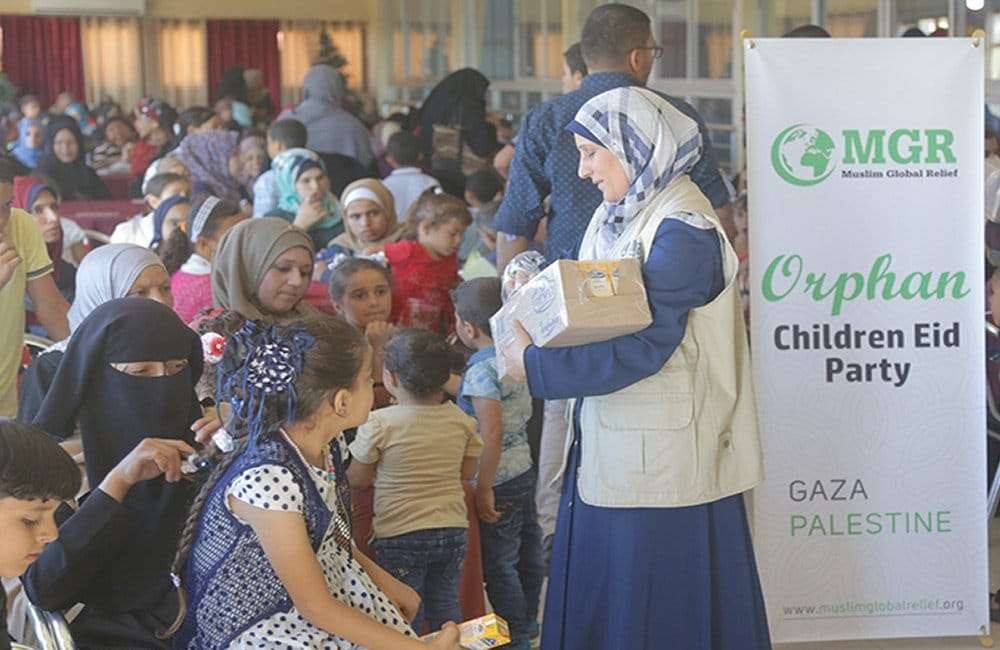
Key Organizations Supporting Arab and Muslim Orphans in the U.S.
1. Life for Relief and Development (LIFE)
One of the most prominent Muslim humanitarian organizations in the U.S., LIFE provides orphan sponsorship programs, emergency assistance, and family support. While much of its work is global, it also supports vulnerable families and children within American Muslim communities through social services and community initiatives.
2. Islamic Relief USA
Islamic Relief USA runs domestic programs focused on child welfare, family stability, and poverty alleviation. The organization partners with local agencies to support foster care, mental health services, and education for children from immigrant and refugee backgrounds, including Arab and Muslim orphans.
3. Helping Hand for Relief and Development (HHRD)
HHRD supports orphaned children and low-income families through sponsorship programs, food assistance, and educational aid. Its U.S.-based initiatives often work with mosque networks and community centers to identify and assist children in need.
4. Muslim Foster Care and Adoption Networks
Across states such as Michigan, Illinois, Texas, California, and New York, Muslim-led foster care initiatives help place orphaned or abandoned children with culturally sensitive foster families. These programs work within U.S. child welfare systems while ensuring children maintain religious and cultural continuity.
5. Local Mosques and Arab Community Centers
Mosques and Arab-American organizations often serve as first responders for families in crisis. Many operate zakat funds, youth programs, counseling services, and emergency aid initiatives specifically aimed at supporting orphaned children and single-parent households.
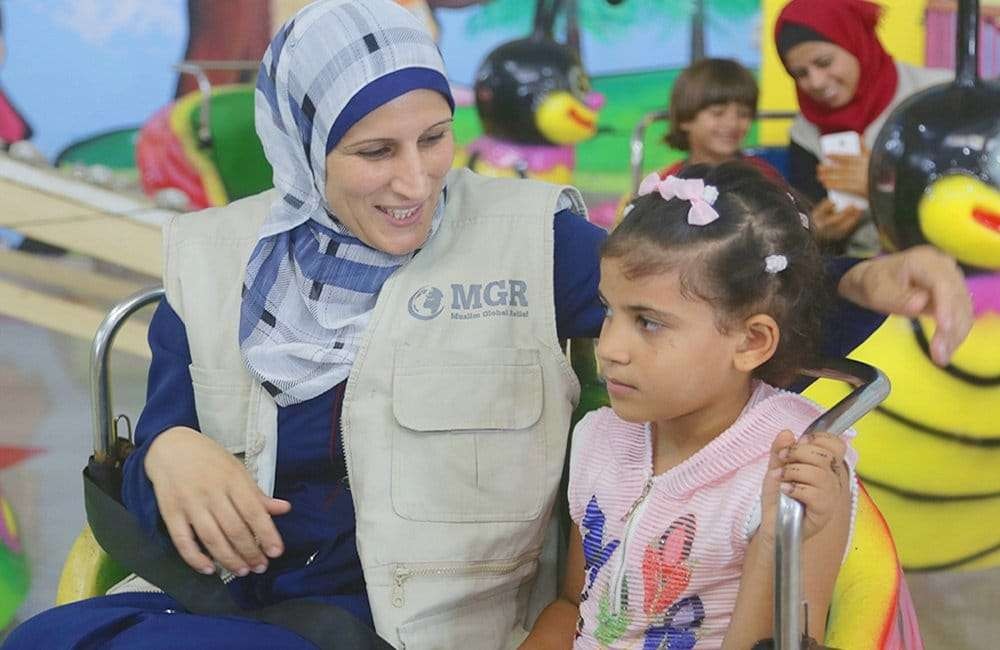
How These Organizations Protect Orphaned Children
Arab and Muslim charities in the U.S. focus on holistic protection, including:
-
Financial support for education, housing, and daily needs
-
Emotional and psychological care, including trauma counseling
-
Educational programs and mentorship
-
Foster care advocacy within culturally appropriate households
-
Community integration, ensuring children feel a sense of belonging
These efforts align with Islamic principles that emphasize the care of orphans as a moral and social responsibility.
Ongoing Challenges
Despite these initiatives, gaps remain. Muslim foster families are still underrepresented in state systems, and many orphaned children from immigrant backgrounds face stigma or lack access to culturally competent services. Advocates continue to call for stronger partnerships between Muslim organizations and government agencies to improve outreach, funding, and long-term care.
Conclusion
Arab and Muslim orphaned children in the United States are not forgotten. A growing network of charities, mosques, and community organizations works tirelessly to protect their rights, support their development, and preserve their dignity. While challenges persist, these efforts reflect a deep commitment within the Muslim and Arab-American communities to uphold compassion, justice, and social responsibility.