New York City’s Trash Revolution Puts Parking and Public Space at the Center of a Growing Debate
Incoming Mayor Zohran Mamdani pushes to expand sealed garbage containers citywide, raising questions over street space and the loss of parking spots
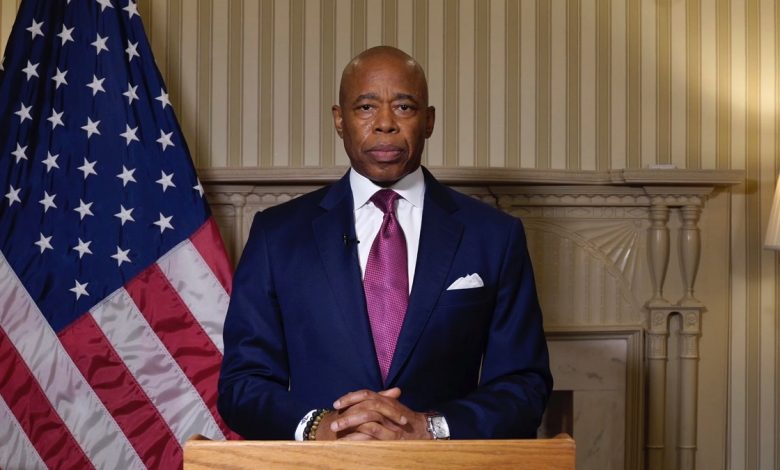
New York City is currently undergoing a major transformation in its waste management system—a revolution aimed at replacing trash bags piled on sidewalks with sealed containers. While outgoing Mayor Eric Adams initiated much of this shift, the ambitious task of fully containerizing the city’s waste now falls to incoming Mayor Zohran Mamdani.
The massive project promises a cleaner, healthier urban environment, but it has also sparked an intense debate: reallocating large portions of street space, potentially affecting tens of thousands of parking spots across the city’s five boroughs.
For decades, heaps of trash bags stacked along New York City sidewalks have been an unwelcome but familiar sight. During his tenure, Mayor Eric Adams took significant steps to address this issue through reforms aptly branded as the “Trash Revolution.” His administration required all businesses and residential buildings with fewer than ten units to move away from traditional trash bags and adopt secured, wheeled containers.
A Citywide Expansion Under New Leadership
This policy shift has already produced tangible results, with reports indicating a noticeable decline in rat sightings and a reduction in the infamous trash piles that once dominated many city streets.
However, fully realizing the vision of a cleaner city goes far beyond these initial mandates. A large share of New York’s bigger residential buildings still place their waste directly on the curb. This is where incoming Mayor Zohran Mamdani enters the picture, tasked with overseeing the next and most comprehensive phase of containerization. The current plan—publicly supported by Mamdani—calls for installing dedicated on-street “Empire Bins” for buildings with more than thirty units. Buildings with eleven to thirty units would have the option of requesting these curbside containers or placing their own wheeled bins on the sidewalk for collection.
The city’s Department of Sanitation has set an ambitious deadline of 2032 to complete this citywide transition. The timeline underscores the scale of the challenge, particularly given New York City’s long-standing struggle over street space. The question of whether free parking should take precedence over other critical public needs has troubled city leaders for generations. Past administrations faced public backlash when attempting to reallocate street space: former Mayor Bill de Blasio encountered resistance over his “Vision Zero” traffic safety initiatives, while former Mayor Michael Bloomberg faced protests over new bike lanes.
This latest push for containerized trash is expected to be far more consequential, requiring a deeper reimagining of urban infrastructure. Estimates from the Department of Sanitation suggest that installing the new containers could eliminate more than 100,000 parking spaces across the five boroughs. The potential loss has ignited strong reactions among city officials and residents alike. One Manhattan City Council member voiced strong opposition, calling the removal of additional parking a “grave mistake” and vowing to fight it, regardless of the direct impact on his own district.
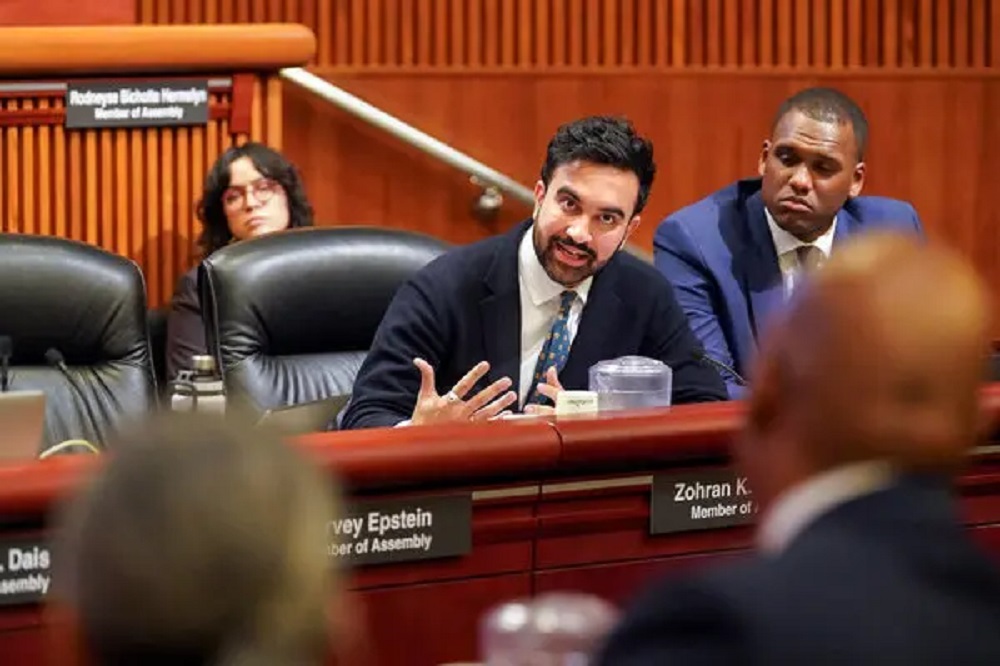
Rethinking Public Space and Urban Priorities
Supporters of containerization, however, argue that New Yorkers must rethink how public space is used. A spokesperson for the Department of Sanitation emphasized that free curbside parking is not an inherent right, noting that street space is public and that dedicating it to parking is simply a historical choice. Advocates call for a more dynamic and beneficial use of these shared spaces.
Despite criticism on other fronts, the outgoing mayor’s sanitation policies have drawn praise from a range of City Council members, including some who have historically opposed his other initiatives. One Brooklyn council member commended the progress toward citywide containerization and composting, while acknowledging the necessary “trade-offs” involved.
Transportation experts have also weighed in on the urgency and benefits of containerized waste. A former city traffic commissioner, citing similar street-level garbage systems in European cities, strongly recommends that Mayor Mamdani accelerate implementation. He points to the city’s persistent rat problem—rats that have become adept at tearing through plastic trash bags—and argues that containerization offers an effective solution.
He suggests that the incoming mayor take advantage of the political “honeymoon period” at the start of his administration to push the initiative forward aggressively. While debate over street space is expected to remain fierce, the collective vision of a cleaner, healthier New York City appears to be gaining momentum, promising a transformative impact on urban life.