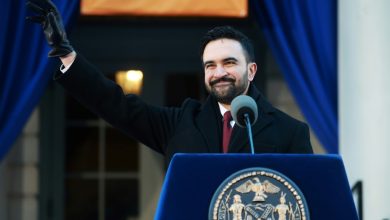
New York Mayor-Elect Zohran Mamdani Pledges Crackdown on Negligent Landlords
A revived Tenant Protection Office and expanded public intervention aim to secure safe housing and hold bad landlords accountable across New York City
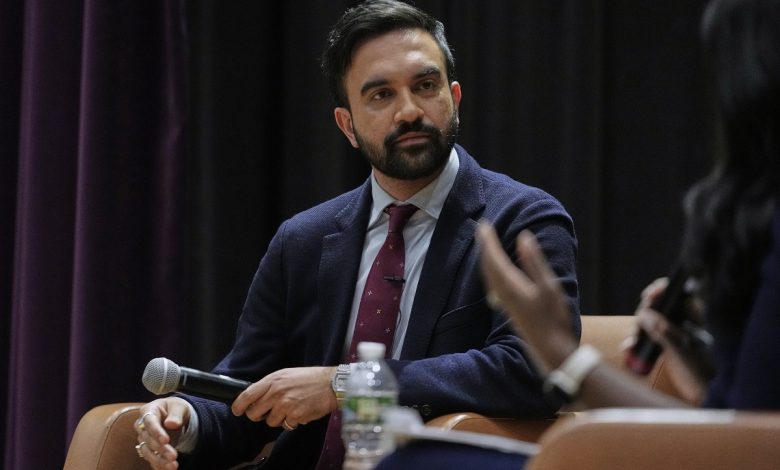
New York City’s mayor-elect, Zohran Mamdani, is preparing to deliver on a major campaign promise: taking a tough, proactive approach to negligent landlords and ensuring safe, dignified housing for residents. His incoming administration plans to target buildings plagued by chronic violations—potentially placing them under city control—to protect tenant rights and improve living conditions.
This ambitious initiative stems from years of tenant complaints about hazardous living environments, including broken locks and toxic mold, issues that building owners have often ignored. Mamdani’s vision builds on recent city actions, such as the rare move by the Department of Housing Preservation and Development (HPD) to seize a Bronx property from a landlord burdened with millions of dollars in unpaid taxes and fines, then transfer it to a nonprofit for rehabilitation. Mamdani, however, aims to dramatically expand the scale and scope of such interventions.
A Multi-Layered Strategy to Protect Tenants
During his campaign, Mamdani stated, “We will use every tool at our disposal—including taking buildings away from bad landlords—to ensure every New Yorker has their basic right: a safe place to call home.” As his inauguration approaches, the details of this pledge are becoming clearer, revealing a multi-layered strategy rather than a single, blanket approach to property acquisition. Public ownership remains a key consideration within a broader effort to strengthen housing standards citywide.
A cornerstone of Mamdani’s strategy is the reestablishment and empowerment of the Mayor’s Office of Tenant Protection, an office whose role had previously been diminished. The revitalized office would be tasked with identifying negligent landlords and distressed properties, negotiating acquisitions when conditions fail to improve or fines go unpaid, and in some cases maintaining municipal control over these buildings.
The plan also includes funding increased acquisitions by nonprofit organizations and tenant groups, alongside direct city takeovers where public ownership of the land would be retained and property management contracted to third parties. Mamdani’s housing adviser, Sia Weaver, explained that the office would focus on “addressing New York’s housing crisis by strengthening enforcement and working hand-in-hand with tenant organizations to intervene more flexibly in distressed property portfolios, including by providing acquisition support.”

Innovative Models and Skepticism Surrounding Mamdani’s Housing Plan
Weaver also proposed a model in which the city could hold land in a citywide portfolio while leasing rent-collection rights—an approach that could pool resources, reduce costs, and reinvest revenue back into buildings, similar to community land trust models.
Mamdani spokesperson Dora Beckett emphasized the administration’s commitment to “thinking creatively about what housing ownership should look like in the long term,” exploring the use of special administrators, community land trusts, nonprofits, and other public models, while prioritizing solutions to tenant problems over simply building new housing units.
The mayor-elect’s platform further calls for consolidating housing code enforcement—currently spread across multiple agencies—under the new Tenant Protection Office. It also seeks to compel landlords to negotiate sales when violations accumulate and fines go unpaid. Such a sweeping reform would require restructuring existing responsibilities and strong inter-agency coordination to acquire and manage properties. Landlords would be expected either to sell or face escalating enforcement measures.
The proposal, however, has drawn skepticism. Developers, property owners, and even some allies have raised concerns, recalling New York City’s troubled experience in the 1970s, when it struggled to manage tens of thousands of abandoned apartments acquired through foreclosure. Karim Hutson, CEO of an affordable housing development firm, warned that “turning back the clock and trying to have the city own and ‘fix’ buildings is not something that has historically worked.”
Kenny Burgos, CEO of a lobbying group representing rent-stabilized building owners, suggested that while thousands of landlords might be willing to sell to the city, the issue is not always neglect. He pointed instead to rising maintenance and insurance costs combined with strict rent regulations. Burgos also cautioned about the massive budget—potentially in the hundreds of millions of dollars—required for renovations and ongoing maintenance of distressed properties.
Supporters See Mamdani’s Plan as Pragmatic and Strategic
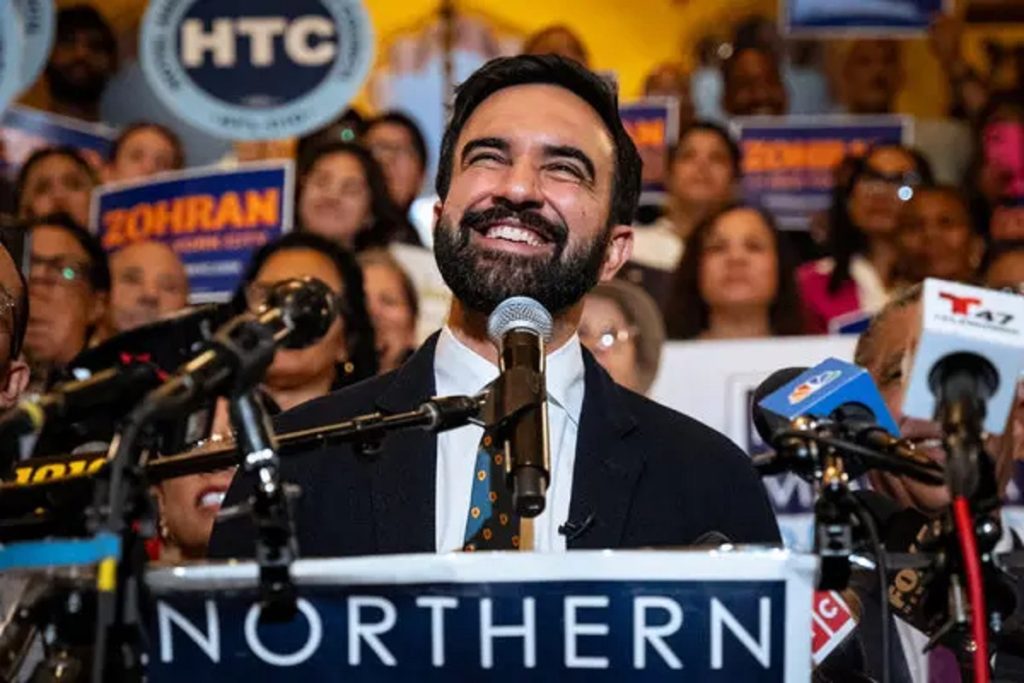
Supporters of Mamdani’s vision argue that the current plan is more precise and pragmatic than past efforts. Housing policy analyst Samuel Stein described the Mayor’s Office of Tenant Protection as a potential “laboratory for housing deals,” experimenting with different strategies—much like Mamdani’s proposal for city-owned grocery stores as pilot programs. Stein stressed that “public ownership does not necessarily mean the city becomes an immediate or permanent landlord,” noting that the government already plays multiple roles in housing support, from HPD assistance to nonprofits preserving affordable housing, to the New York City Housing Authority leasing its properties to managers.
The city has also directly purchased buildings before, such as when the Department of Social Services acquired temporary homeless shelters to convert them into permanent housing.
Given the deteriorating condition of the city’s housing stock—with hundreds of rent-stabilized buildings in financial distress and rising housing safety complaints—there is no shortage of properties requiring intervention. The repeated appearance of certain landlords on the Public Advocate’s annual list of worst offenders further underscores the urgency for action. Mamdani points to programs like “Neighborhood Pillars,” through which HPD funds acquisitions by housing groups, as viable models.
Ultimately, the success of the Mayor’s Office of Tenant Protection will depend on whether its director is granted clear authority to coordinate across city agencies—“an essential and decisive piece of all this,” according to Ricardo Campos, a former head of the office. While acquiring troubled residential buildings will be complex, the core mission itself, supporters argue, is “a no-brainer.”