Muslims in Newark, NJ: Community Growth, Diversity, and Cultural Impact in the United States
An In-Depth Look at the Muslim Population, Religious Life, Community Organizations, and Challenges in Newark, New Jersey
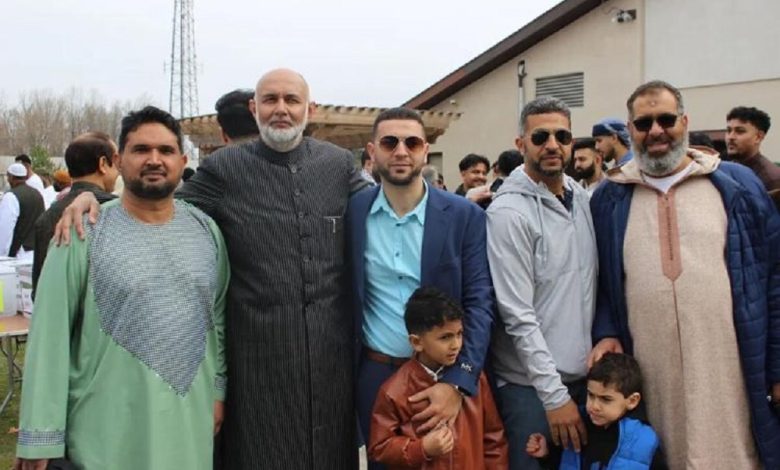
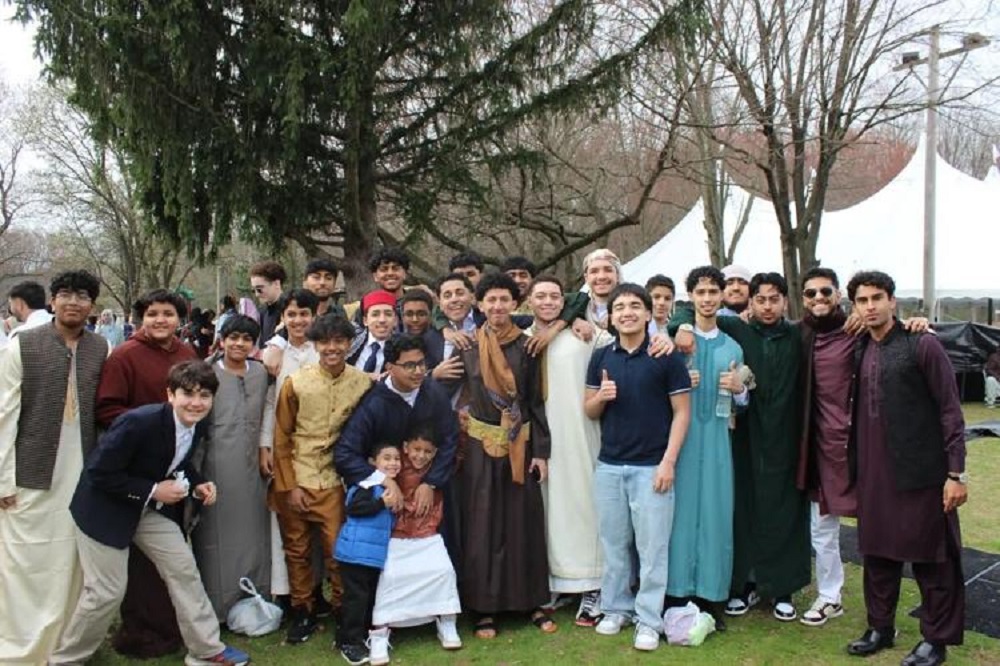
Newark, New Jersey — the state’s largest city and a major cultural hub in the northeastern United States — is home to a vibrant and diverse Muslim community that reflects the city’s long history of immigration, cultural integration, and religious life. The presence of Muslims in Newark is deeply woven into the city’s social, religious, and civic fabric. The community includes African-American Muslims, Arab and South Asian immigrants, and families from various African and Middle Eastern backgrounds.
Historical Roots and Diversity
Muslim life in Newark dates back decades and includes both religious and socio-cultural elements. One of the earliest Muslim organizations in the region related to the Muslim presence nationally was the Moorish Science Temple, founded in Newark in 1913, which played a significant role in early Black Muslim history in America.
Over time, the Muslim community in Newark has grown, becoming ethnically and culturally diverse. While exact data on the number of Muslims in Newark is difficult to verify, various estimates suggest tens of thousands of Muslims live and worship in the greater Newark area, including immigrants from South Asia, the Middle East, and Africa, along with African-American Muslims who have long roots in the city.
Mosques and Islamic Life
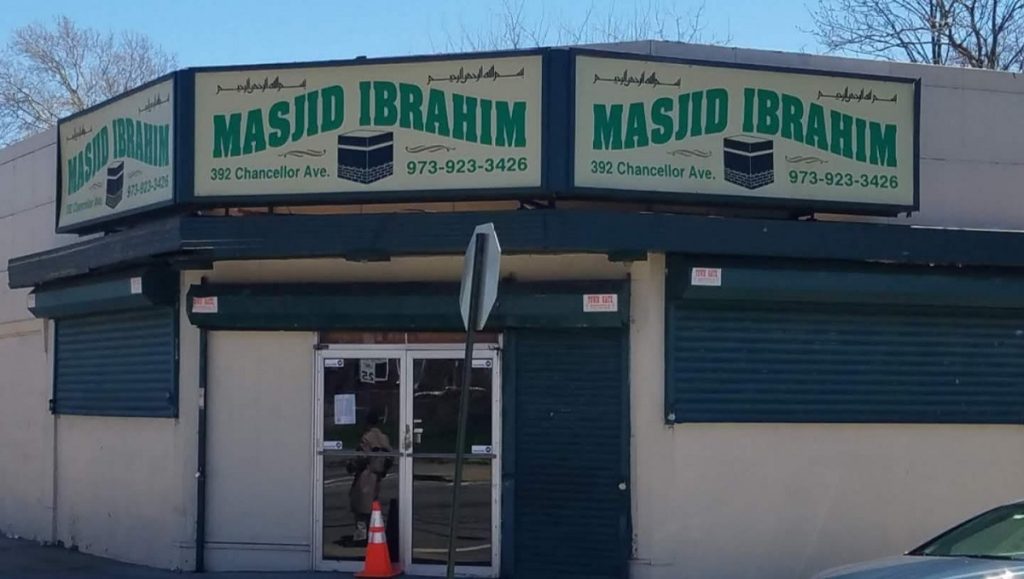
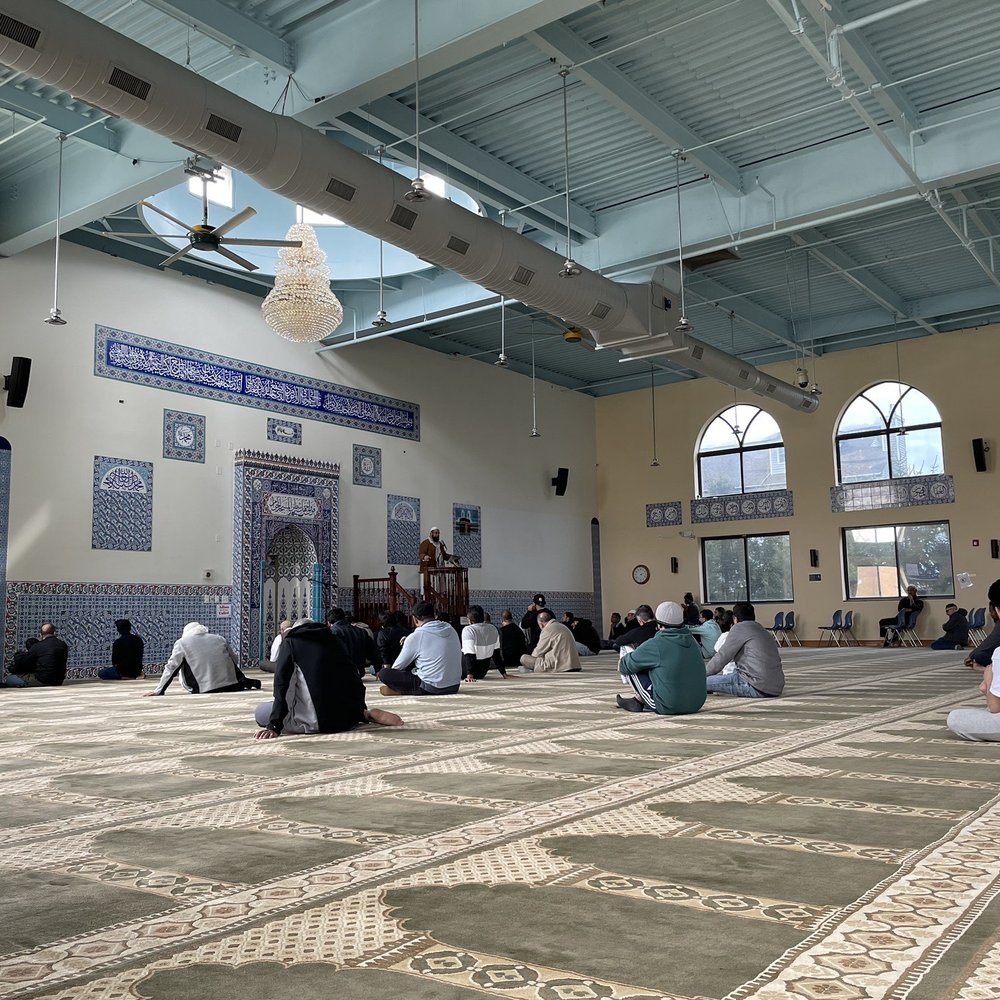
Mosques and Islamic centers in Newark serve as both places of worship and important community hubs. Several historic and contemporary institutions provide regular prayers, educational programs, social events, and religious classes:
Masjid Muhammad (formerly Mosque No. 25)
Originally the first Nation of Islam mosque in Newark, Mosque No. 25 played a role in the Black Muslim movement of the mid-20th century and later transitioned toward mainstream Sunni practices.
NIA Masjid & Community Center
Founded in the 1980s in Newark’s North Ward, this mosque has become a center for Islamic education, community support, social services, and youth activities.
Islamic Society of Essex County & Other Mosques
The Islamic Society of Essex County and other local mosques — some with histories spanning thirty to forty years — host weekly Friday prayers (Jumu’ah), holiday events, and community outreach.
These spaces help sustain religious identity and serve as places where diverse Muslim groups — from North African, South Asian, to African backgrounds — come together in shared faith.
Community Organizations and Cultural Contributions
Muslims in Newark are not only engaged in worship but also in broader civic life. Organizations such as the Unified Eid Committee of New Jersey organize celebrations like Eid ul-Fitr and Eid ul-Adha for the greater Muslim community, promote unity, youth activities, and maintain business directories to support local Muslim enterprises.
Local and regional Muslim associations also collaborate on interfaith activities, educational workshops, and social services, fostering connections across religious and cultural lines.
Challenges and Community Resilience
Like many Muslim communities in the United States, Newark’s Muslims have faced challenges, including surveillance and profiling in past decades. A widely discussed program by the NYPD involved gathering detailed information on mosques, businesses, and individuals in Newark and other New Jersey cities, which drew criticism from civil rights groups for targeting Muslim institutions without evidence of wrongdoing.
Incidents affecting community leaders — such as the tragic killing of an imam outside a mosque in Newark — have also impacted the community, prompting dialogues about safety, solidarity, and mutual support. Despite these challenges, community leaders emphasize resilience, unity, and constructive engagement in broader civic life.
Cultural Presence and Identity
Muslims in Newark contribute to the city’s multicultural identity through food, arts, education, and civic engagement. The Islamic community’s presence enriches Newark’s cultural tapestry, from halal eateries and small businesses in neighborhoods like Ironbound to youth programs and interfaith events.
New Jersey’s recognition of January as Islamic Heritage Month highlights the Muslim community’s role in the state’s cultural landscape, celebrating contributions, diversity, and shared heritage.
Conclusion
The Muslim community in Newark, New Jersey is a dynamic and essential part of the city’s identity — rooted in history, diverse in culture, and active in civic life. Through mosques, community centers, cultural events, and shared traditions, Muslims in Newark continue to maintain their religious heritage while contributing meaningfully to the broader American story.