Tunisian Mlaoui Bread: Recipe, History, and Culinary Tradition
From home kitchens to modern cafes—discover Tunisia’s beloved layered bread.
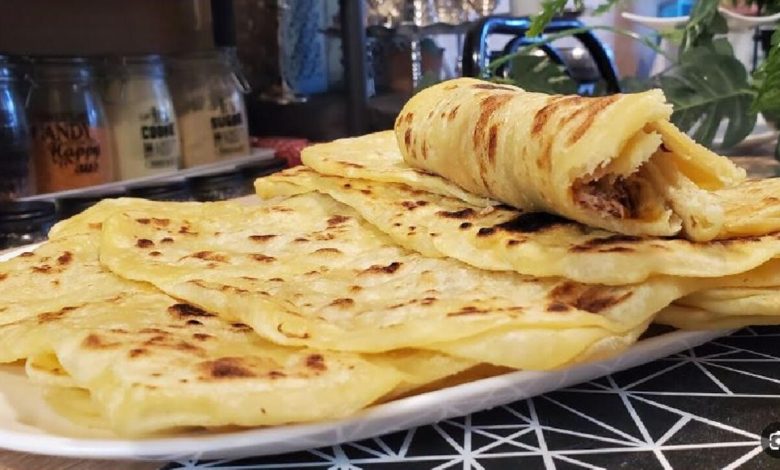
Tunisian Mlaoui bread is a traditional flatbread deeply rooted in Tunisia’s culinary heritage. Known for its layered, flaky texture, Mlaoui is a versatile bread enjoyed for breakfast, as a snack, or alongside main meals. Its preparation reflects the rich history and ingenuity of Tunisian home cooking.
Historical Background
Mlaoui, also called Tunisian layered flatbread, has been part of Tunisian cuisine for generations. It is particularly popular in the central and southern regions, where households have passed down the techniques for folding, rolling, and pan-frying this delicious bread. Historically, Mlaoui was made as a quick, hearty bread for families working in fields or at markets.
Traditional Preparation
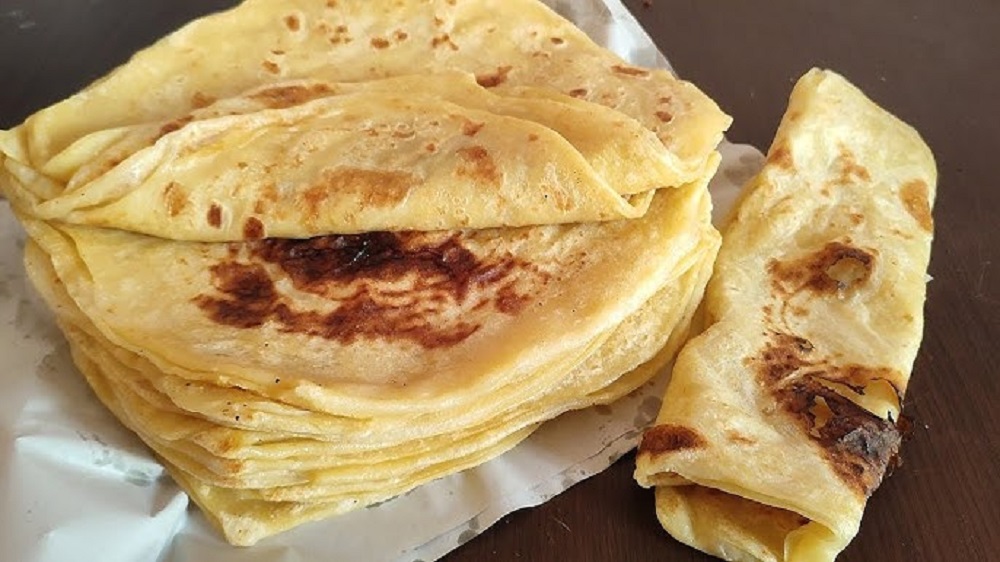
Mlaoui is made from simple ingredients: semolina or wheat flour, water, salt, and sometimes a touch of oil. The dough is kneaded, rolled thin, and folded multiple times to create layers. It is then pan-fried on a flat skillet until golden and crispy on the outside while soft inside. The process requires patience and skill, which gives Mlaoui its signature texture and taste.
Cultural and Culinary Significance
Mlaoui is more than just bread; it is a social and cultural experience. It is commonly served with olive oil, honey, or cheese and enjoyed with tea or coffee. During festive occasions, Mlaoui may be part of a larger breakfast spread, showcasing the creativity and hospitality of Tunisian families.
Health and Modern Appeal
While traditionally indulgent, Mlaoui can be made healthier by using whole-grain flours and minimal oil. Its moderate size and light preparation make it a satisfying choice for breakfast or a snack. Today, Mlaoui is gaining popularity in artisanal bakeries and cafes, appealing to locals and tourists eager to taste authentic Tunisian flavors.