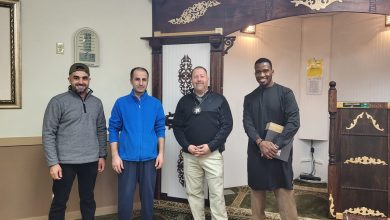
Muslim Community in Santa Fe: History, Identity, and the Growth of a Vibrant Minority
How Santa Fe’s Muslims are building community, preserving faith, and enriching New Mexico’s cultural landscape.
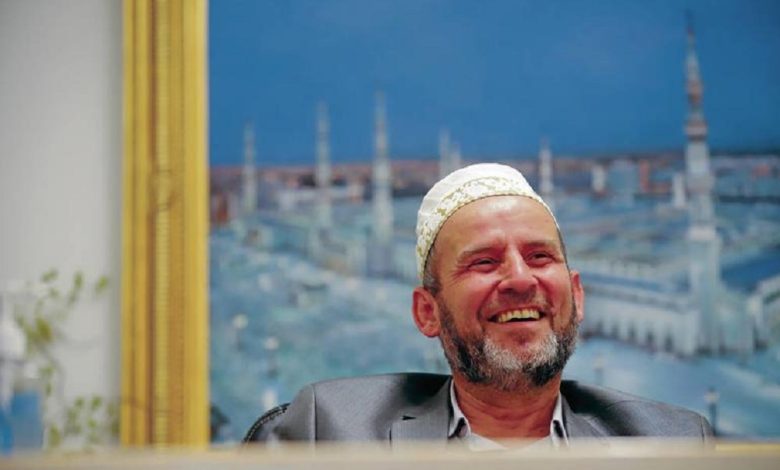
Santa Fe, New Mexico—long known for its Native, Hispanic, and artistic heritage—has also become home to a quietly growing Muslim community. Though numerically small compared to larger cities, Santa Fe’s Muslims have established a meaningful presence over the past four decades, contributing to the city’s cultural richness, interfaith initiatives, and civic life.
A History Rooted in Migration and Academic Exchange
The earliest Muslim families in Santa Fe arrived in the late 1970s and early 1980s, largely composed of physicians, university researchers, engineers, and immigrant families attracted to opportunities in the Southwest. Many came from countries such as Pakistan, Egypt, Palestine, Turkey, Morocco, and Sudan, while others were American converts drawn to Islam’s spiritual depth and ethical teachings.
Over time, the community expanded through:
-
Professionals relocating for work in health care, research labs, and state institutions
-
Students and faculty joining academic programs in Santa Fe and nearby Albuquerque
-
Refugee families resettled through humanitarian organizations
-
Native-born Muslim Americans moving to the city for retirement or lifestyle changes
Despite diverse backgrounds, a commitment to community-building created a unified local identity.
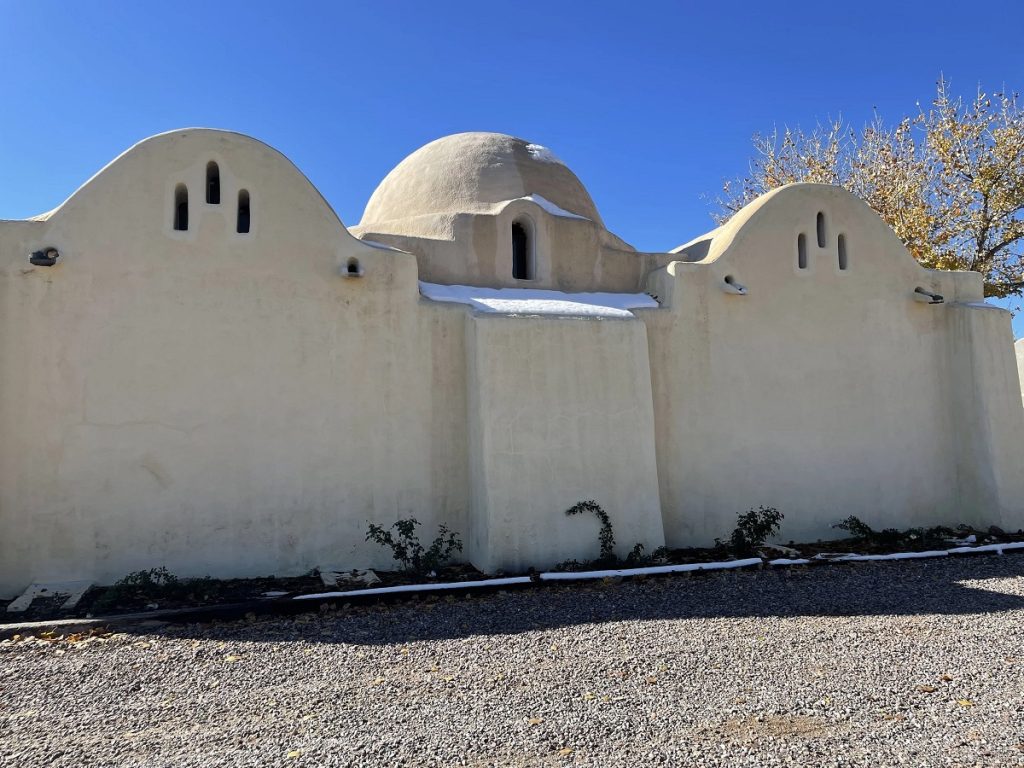
Establishing Institutions: The Mosque as a Cultural Anchor
The Islamic Center of Santa Fe (ICSF) stands at the center of the city’s Muslim life. What began as a small prayer group eventually grew into a dedicated mosque providing:
-
Daily and Friday prayers
-
Weekend Islamic school for children
-
Ramadan iftars and Taraweeh prayers
-
Eid celebrations that bring Muslim families from across northern New Mexico
-
Counseling and community support services
The mosque also serves as a cultural bridge, offering open houses, school tours, and discussions with religious leaders for local residents and tourists curious about Islam.
A Culture of Interfaith Engagement
Santa Fe has long prided itself on spiritual diversity. Its Muslim community is deeply involved in interfaith partnerships with:
-
Churches and synagogues across the city
-
The Interfaith Leadership Alliance of Santa Fe
-
Local humanitarian and social-justice organizations
These collaborations have helped counter Islamophobia, educate residents about Islamic beliefs, and build solidarity on shared issues such as poverty relief, homelessness, and climate justice.
Contributions to Santa Fe’s Social and Civic Life
Muslims in Santa Fe play visible roles in:
-
Healthcare: Numerous Muslim physicians serve hospitals and clinics across the region.
-
Education: Professors, researchers, and teachers contribute to local academic institutions.
-
Small business: Muslim-owned restaurants, shops, and service businesses enrich the local economy.
-
Arts and culture: Santa Fe’s creative landscape has attracted Muslim artists, photographers, and filmmakers who integrate Islamic themes with Southwestern aesthetics.
This civic and cultural engagement has strengthened the perception of Muslims as an integral part of the city’s multicultural identity.
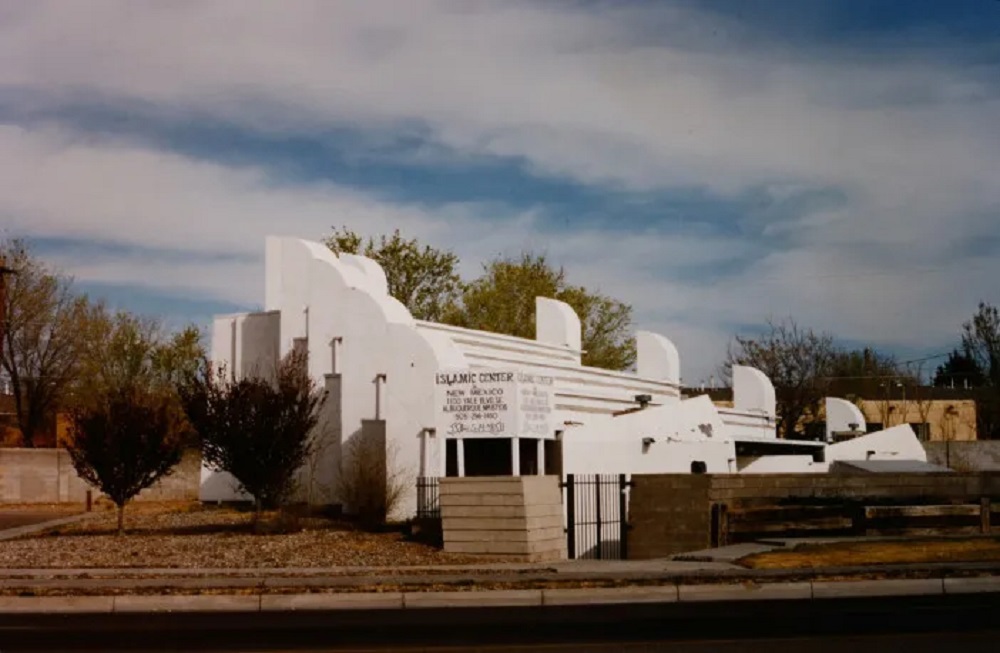
Challenges: Islamophobia, Representation, and Youth Identity
Despite Santa Fe’s welcoming environment, challenges persist:
-
Islamophobia and misinformation, often influenced by national politics.
-
Limited institutional capacity, since the community remains small.
-
Youth identity formation, as younger Muslims balance American life, Islamic values, and minority visibility.
-
Lack of halal dining and Islamic schooling, which requires families to rely on Albuquerque for certain services.
Yet, community leaders continually work to expand programs that nurture belonging, education, and cultural continuity.
Looking Ahead: A Community Rooted in Optimism
With Santa Fe’s rising diversity and reputation as an inclusive cultural hub, the Muslim community is expected to grow in the coming years. New families arrive each year for work, education, or a quieter lifestyle, while the Islamic Center plans future expansions to accommodate larger gatherings and youth programs.
For many Muslims, Santa Fe offers a rare blend of tranquility, spirituality, and cultural acceptance—making it a unique home for a minority community that continues to shape the story of pluralism in the American Southwest.