New School Faces Massive Restructuring as $48 Million Loss Triggers Faculty Cuts and Identity Debate
Faculty warn of ideological shift while administrators defend financial reforms amid nationwide higher education crisis.
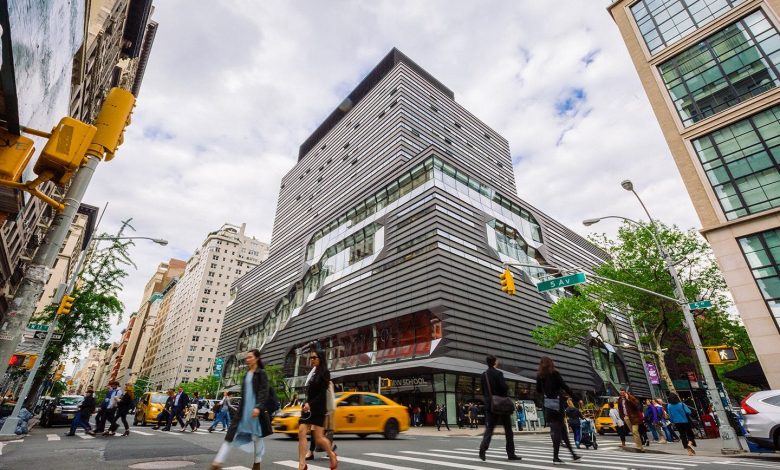
A major financial loss of $48 million has pushed The New School into a period of intensive restructuring, marked by widespread staff layoffs and academic program reorganizations. This pivotal moment has ignited a heated debate between university administrators, who emphasize financial stability, and faculty members, who express deep concerns that budget problems are being used to redefine the institution’s long-standing progressive identity.
University President Joel Towers has introduced a comprehensive plan that includes significant reductions in faculty, staff, and academic programs to close the budget gap. Reports indicate that a large number of full-time faculty—about 169 academics—have received offers for early retirement or voluntary separation. Academic associations have described this initiative as one of the largest efforts to dismiss faculty members currently underway in the country, underscoring the scale of change.
The challenges facing The New School reflect broader trends affecting higher education nationwide. These include declining student enrollment, increasing scrutiny from government bodies, and rising public doubts about the value of college degrees and their return on investment. Additionally, global geopolitical events—such as the conflict in Gaza—have contributed to unrest and debate within university communities, adding another layer of complexity to the institution’s current environment.
For many academics at The New School, the stakes are especially high because of the university’s unique historical foundation. Established in 1919 by a group of dissident intellectuals, including prominent figures such as John Dewey and Thorstein Veblen, the institution has always prided itself on fostering critical research and social justice. Throughout its history, especially in the 1930s when it welcomed scholars fleeing Nazi Germany, The New School became a beacon of progressive thought and pioneered studies in fields such as photography, jazz, and women’s history.
Faculty members interviewed expressed fears that the current financial crisis is being used as a pretext for an ideological shift. They worry this transformation may prioritize vocational training at the expense of the humanities and social sciences, traditionally strongholds of critical thought and leftist discourse within the university. Concerns have also been raised that departments historically known for their politically engaged and oppositional voices may face severe cuts or even elimination.
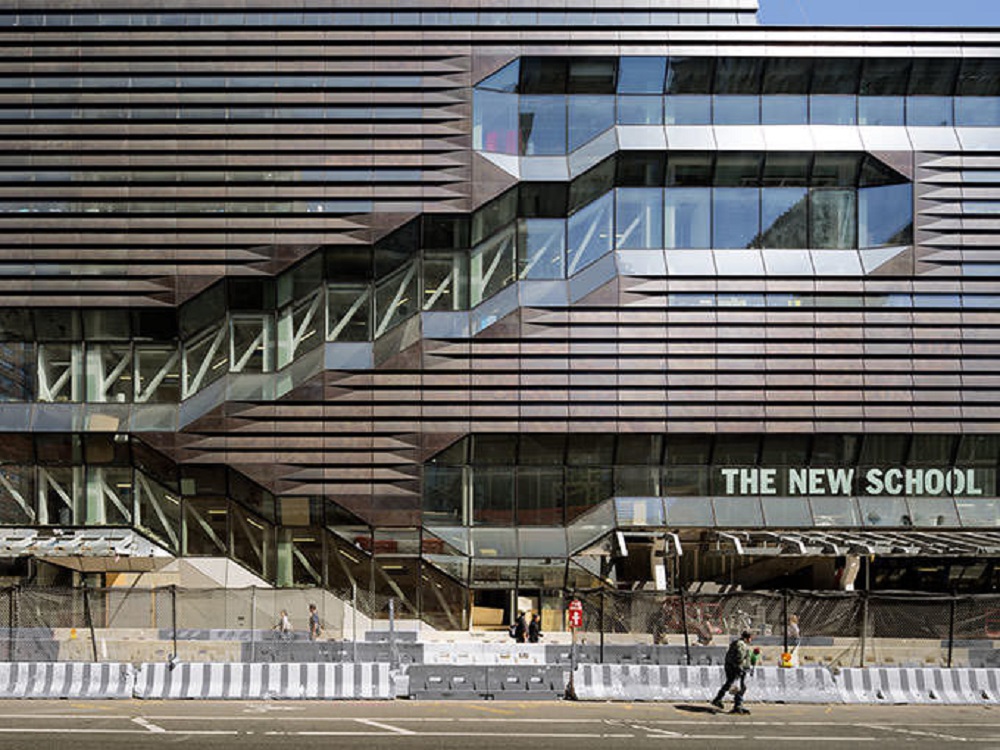
In response to the proposed cuts, faculty, staff, and students organized protests demonstrating collective opposition and calling for the preservation of the university’s core values. Faculty members, some of whom have long-term contracts, expressed frustration, comparing the proposed changes to a “scorched-earth policy” that threatens to destabilize the institution further and could lead to a “mass exodus” of students if humanities programs are dismantled or doctoral students are separated from their advisors midway through their dissertations.
University officials, through a spokesperson, categorically denied any political motives behind the restructuring efforts. They insist the plan is the result of a months-long collaborative process involving faculty and staff and is designed to address the financial deficit responsibly and to “reallocate resources where they matter most to students and our mission of teaching and learning.” They also argue the goal is to place the university on a stronger financial footing for future generations while preserving its distinctive academic character.
The planned reorganization will include merging several colleges, such as the Eugene Lang College of Liberal Arts with The New School for Social Research, and Parsons School of Design with the School of Performing Arts and Media. Additionally, doctoral admissions for the coming year will be largely suspended, except for clinical psychology programs, and the university will phase out what it calls “low-demand programs.” Despite their difficulty, these measures are presented as essential steps to ensure the university’s long-term survival and to allow it to emerge on a sustainable financial basis.