Dar Al-Hijrah: How Minnesota’s Oldest Somali Mosque Became a Center of Faith and Civic Life
From refugee support to civic education, Dar Al-Hijrah in Minneapolis reflects the evolution, resilience, and community leadership of Somali Americans.
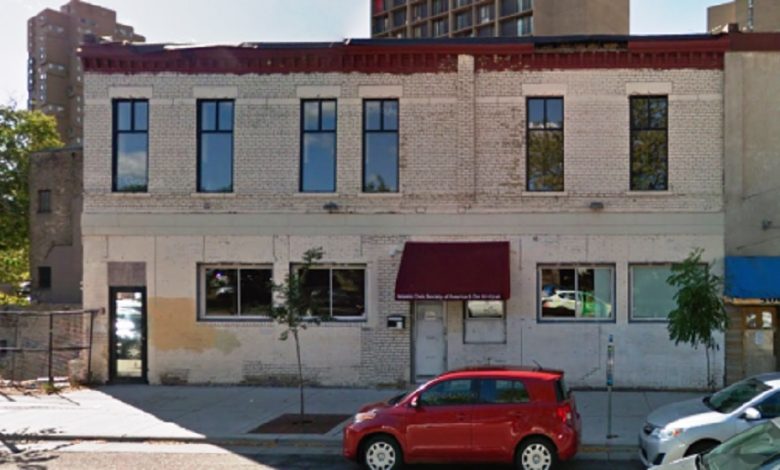
Dar Al-Hijrah holds a distinguished place in Minnesota’s cultural and religious landscape. Founded in 1998 in the historic Cedar-Riverside neighborhood of Minneapolis, it is the oldest Somali mosque in the state and a symbol of the many waves of immigration—from nineteenth-century European settlers to East African communities in the late twentieth century. Through its sister organization, the Islamic Civic Society of America, Dar Al-Hijrah champions civic education and affirms that Islam and American democracy are not only compatible but mutually reinforcing.
A Home for New Arrivals
Somalis first began arriving in Minnesota in the early 1990s, escaping civil war and instability in their homeland. Initially, they worshipped in mosques established by earlier Muslim immigrants from South Asia and the Middle East. These institutions offered spiritual grounding and community support, easing their transition into a new society.
But as Somali numbers grew, so did the need for a space that reflected their language, traditions, and cultural identity. Cedar-Riverside—already home to one of the largest Somali populations in Minnesota—became the natural center of this emerging community.
The Birth of the First Somali Mosque
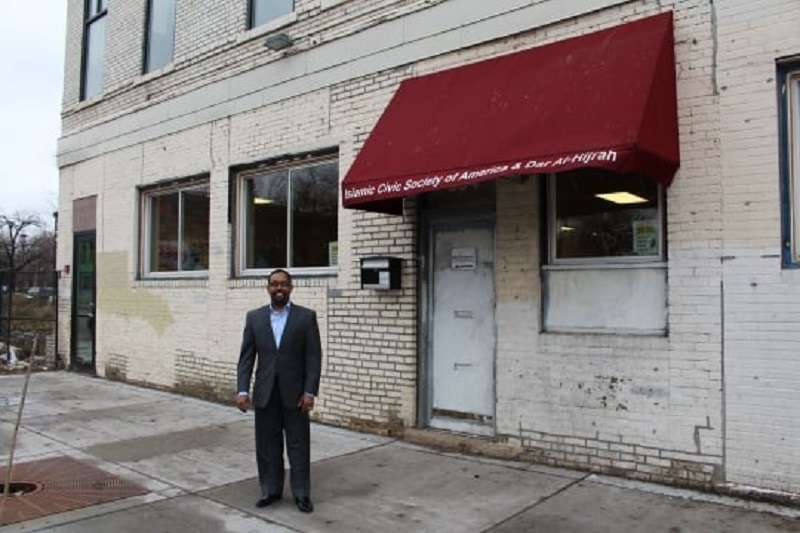
In 1998, community members opened the Riverside Islamic Center in a two-story brick building on Cedar Avenue. The structure had a long history of immigrant enterprise: once a steam laundry, later a knitting factory run by Scandinavian immigrant Christian Nelson, and eventually a mixed-use building housing arts, law enforcement, and community groups.
The Somali community transformed the space once again. The first floor became prayer rooms for men and women, while the second floor was redesigned for offices, classrooms, and meetings. In 2000, the site evolved into the Dar Al-Hijrah Cultural Center—a name honoring the journey of migration and resettlement.
Building Ownership and Civic Identity
By 2006, the Somali community rallied together to raise $400,000 in just five months to purchase the building outright. The center was renamed the Dar Al-Hijrah Islamic Civic Center, reflecting an expanding mission: to educate, engage, and empower Somali Americans as full participants in U.S. civic life. In 2013, the name was updated again to the Islamic Civic Society of America, which continues to include Dar Al-Hijrah Mosque at its core.
These changes demonstrate a profound evolution—from seeing themselves as newcomers and refugees to embracing their role as American citizens shaping their own institutions. Central to this identity is an understanding that Islamic practice can thrive within the framework of American democracy.
Fire, Resilience, and Renewal
On January 1, 2014, Dar Al-Hijrah suffered a devastating multi-building fire that forced it to close for more than a year. Yet the tragedy brought the wider neighborhood together. Trinity Lutheran Congregation offered meeting space, while the Brian Coyle Community Center hosted worship services.
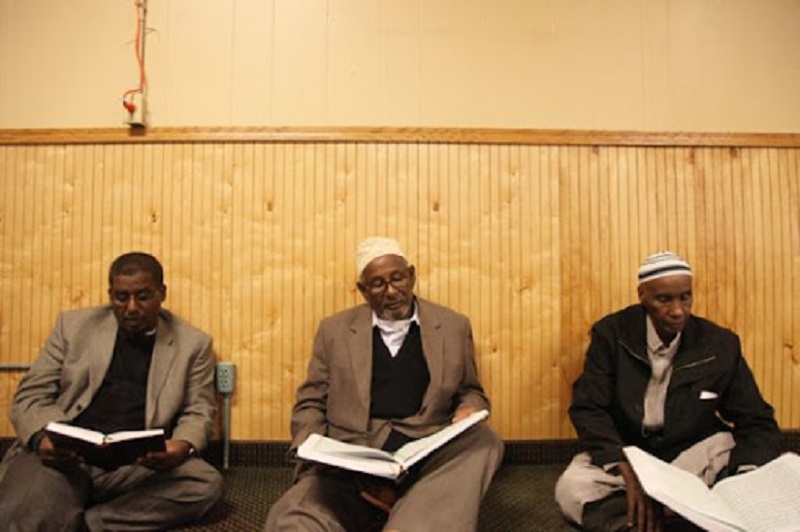
After extensive renovations, the mosque reopened in spring 2015 with a redesigned interior and a new Cedar Avenue entrance—though the community still favors the traditional rear entrance. Today, Dar Al-Hijrah remains a vibrant multipurpose hub for worship, weekend Islamic school (dugsi), civic education, and community gatherings.
Dar Al-Hijrah stands as a powerful testament to resilience, cultural preservation, and the ongoing story of immigrant communities contributing to American civic life.