Why Trump Is Attacking Somali Americans: Political Motives and Community Impact
Examining the timing, strategy, and consequences of Trump’s recent rhetoric against the Somali diaspora in Minnesota.
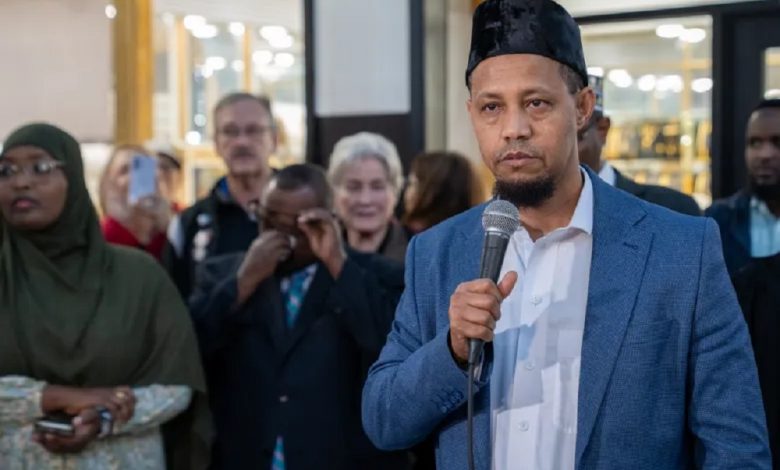
Former President Donald Trump’s recent attacks on Somali Americans have raised alarms across Minnesota and the broader U.S. Somali diaspora. These statements, which included inflammatory remarks about Somali immigrants and citizens, are not occurring in a vacuum. They are rooted in political strategy, social tensions, and the electoral calendar.
Political Motivation and Electoral Strategy
Trump has historically used anti-immigrant rhetoric as a cornerstone of his political campaigns. From Haitian immigrants in Ohio to Latino communities along the U.S.-Mexico border, Trump’s strategy often leverages fear and division to mobilize his voter base. By singling out Somali Americans, Trump is attempting to replicate this strategy in a state with a significant Somali population—Minnesota. The Somali community in Minnesota numbers around 84,000, concentrated mainly in Minneapolis-St. Paul, and represents a growing and politically active constituency.
With the 2024 presidential election approaching, attacks on minority communities are being used to signal a “tough stance” on immigration and law enforcement. Targeting Somali Americans also resonates with Trump’s base, which may perceive Somali immigrants as a security or economic threat, despite the fact that most Somali residents are law-abiding U.S. citizens.

Linking Immigration to Crime and Security Concerns
Trump’s rhetoric is closely tied to broader concerns over immigration enforcement. Following recent high-profile incidents—such as shootings involving immigrants—Trump has sought to frame Somali Americans and other immigrant communities as “dangerous” or “unproductive,” even though federal data and community reports contradict these claims. By linking Somali Americans to crime and alleged economic burden, Trump aims to justify stricter immigration policies and to rally political support for a “law and order” narrative.
Impact of Misinformation and Media Amplification
The attacks also capitalize on misinformation circulating about Somali immigrants. Social media and certain conservative news outlets have amplified claims that Somalis are a threat to national security, economic stability, or social cohesion. This creates an environment where political statements demonizing a minority group can gain traction without rigorous fact-checking.
Community Response and Resilience
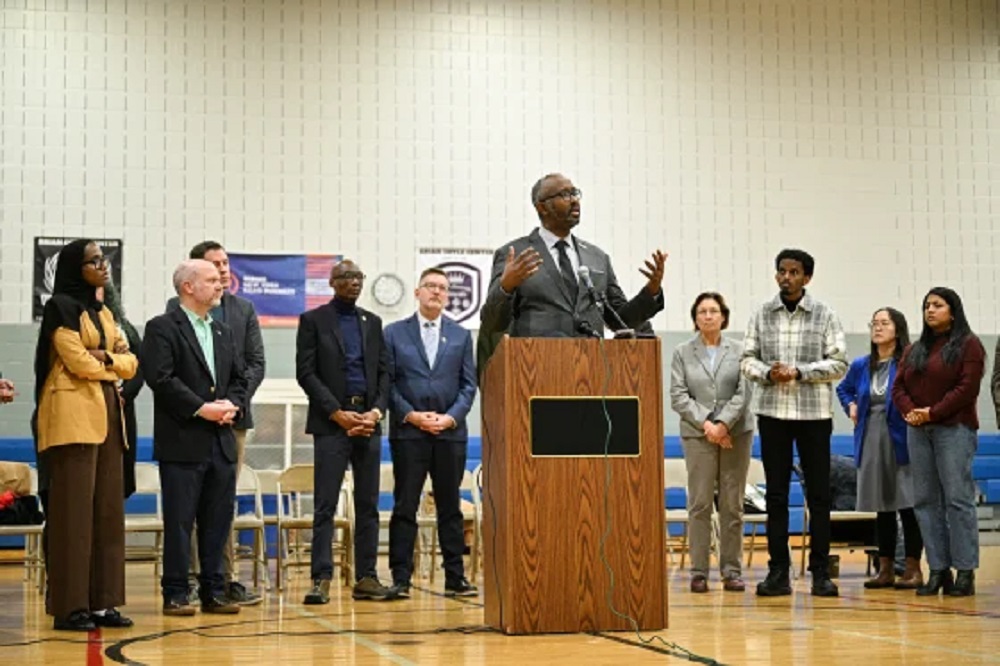
In response, Somali leaders, civil rights groups, and allies have mobilized to protect and uplift the community. Initiatives include advocacy for Somali heritage recognition, legal support for immigration and asylum cases, and public awareness campaigns highlighting the community’s contributions to Minnesota’s economy, politics, and culture. Local authorities and politicians, including Democratic leaders like Rep. Ilhan Omar, have condemned Trump’s attacks as discriminatory and inflammatory, emphasizing that Somali Americans are integral to the social and economic fabric of the state.
The Broader Context
Trump’s attacks must be understood within a wider pattern of racialized political strategy. By targeting a visible immigrant group in a battleground state, Trump attempts to energize his political base while framing immigrants as scapegoats for broader social and economic challenges. This approach carries risks of community division, social tension, and national scrutiny, but historically has been a consistent element of his political playbook.
In summary, Trump’s attacks on Somali Americans are primarily politically motivated, leveraging fear and misinformation to consolidate support among his base, while ignoring the long-standing contributions and integration of the Somali community in Minnesota and beyond.